The key facts
- Torah and Judaism did not recommend Netanyahu, but left open the possibility of supporting a candidate who meets the ultra-Orthodox demands
- 67 recommendations for Eisenkot are expected versus 46 for Netanyahu
- A mandate does not guarantee success: 61 of 120 Knesset votes are needed
An ally's refusal during consultations with the president
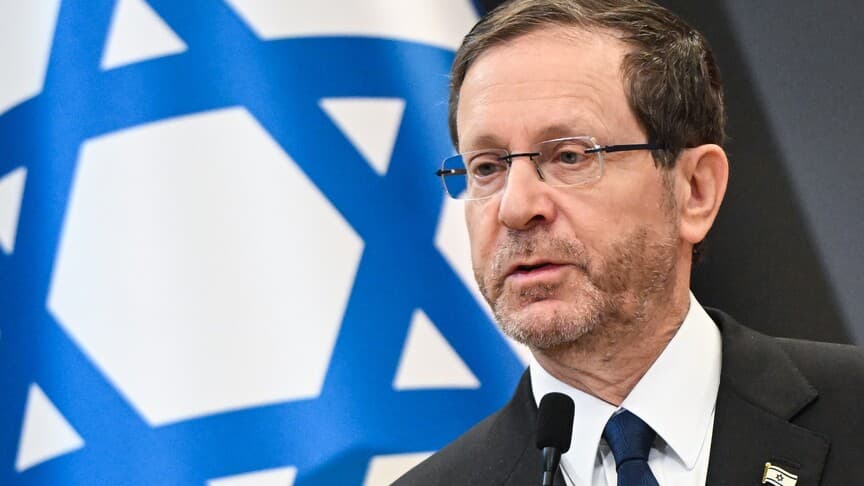
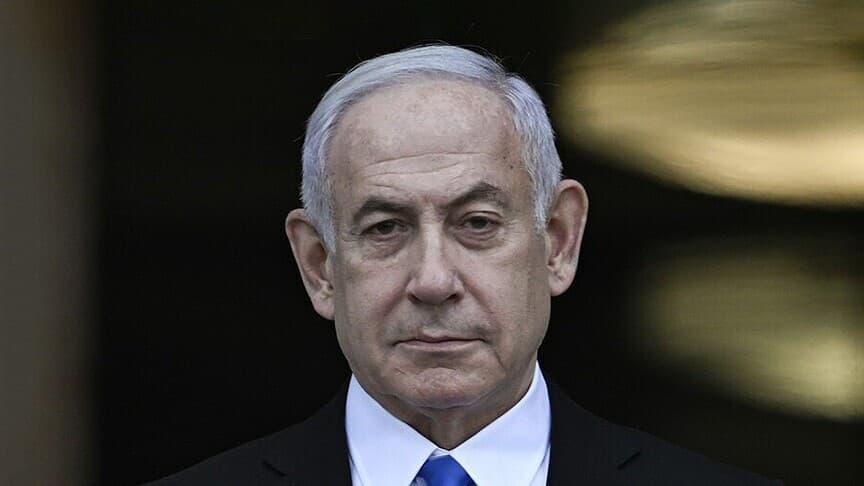
The Torah and Judaism party, an ally of Prime Minister Benjamin Netanyahu, on Thursday declined to recommend him for the post of head of government, although its deputies had previously been expected to do so. The decision was made at a meeting between party representatives and President Isaac Herzog on the second and final day of consultations with parties held at the Knesset. The party, which holds seven mandates, said it would not recommend any candidate, but left open the possibility of supporting someone who meets its demands — above all, preserving the right of the ultra-Orthodox (Haredim) to devote themselves to Torah study and the agreement on their military service. Anadolu reported this.
The balance of recommendations and the fate of the mandate
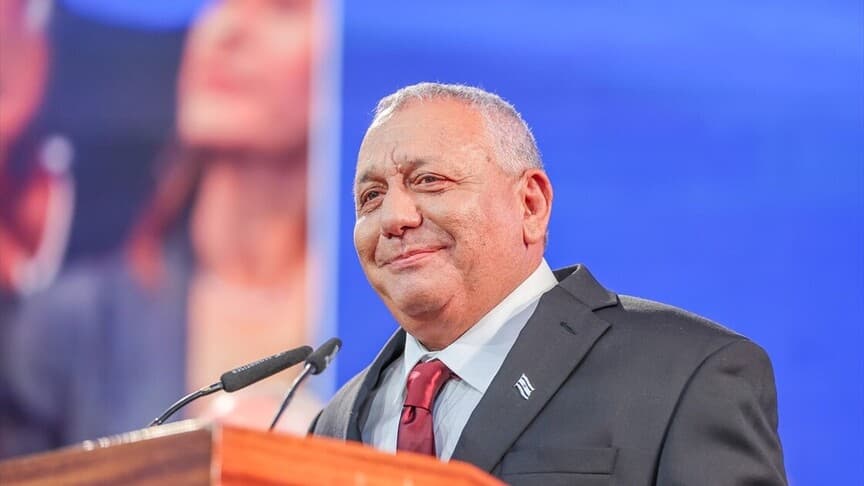
The position of Torah and Judaism diverges from that of its religious ally, the Shas party, which recommended Netanyahu on Wednesday. According to the agency's count, the refusal reduces the number of deputies recommending Netanyahu from 53 to 46, while 67 deputies are ready to support opposition leader Gadi Eisenkot (the Yashar party): 48 mandates from Jewish opposition parties and 19 Arab deputies from the Joint List and Ra'am. Israeli media suggest that it is Eisenkot who will receive the mandate. Herzog began Thursday with a meeting with Torah and Judaism, then planned talks with Otzma Yehudit, the Democrats, Ra'am, the Joint List, Yashar and, finally, Likud. In the coming days he must task one of the Knesset members with forming a government: that person will have 28 days, with a possible extension of 14 days.
A mandate is not a guarantee of a government
Receiving the mandate does not guarantee Eisenkot success: forming a government requires the support of at least 61 of the 120 Knesset members. He declared his intention to create a 'Zionist government,' but did not explain how to achieve this, given that his camp depends on the support of Arab deputies, while a number of Jewish opposition parties reject Arab participation in the government or their support in its formation. The Arab parties, for their part, expressed readiness to provide a parliamentary 'safety net' for a government led by Eisenkot without joining it — in exchange for guarantees for Arab citizens: an end to home demolitions and incitement, measures to combat crime, and the opening of a political horizon for the Palestinians. As a separate factor weakening Netanyahu's position, Anadolu cites the results of the US midterm elections, which struck Donald Trump — a key ally of the Israeli prime minister; in Israel this raised concerns about bilateral relations.