The key facts
- Rains and thaws may flood dens and keep bears from falling asleep, raising the risk of roaming bears
- The winter of 2026–2027 in the capital region may be 2–5 degrees warmer than the climate norm
- Earlier, the regional Ministry of Ecology reported a doubling of bear-related calls over three months
Why bears face a sleepless winter
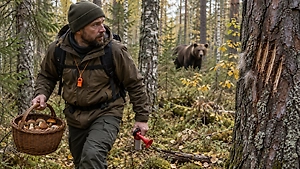
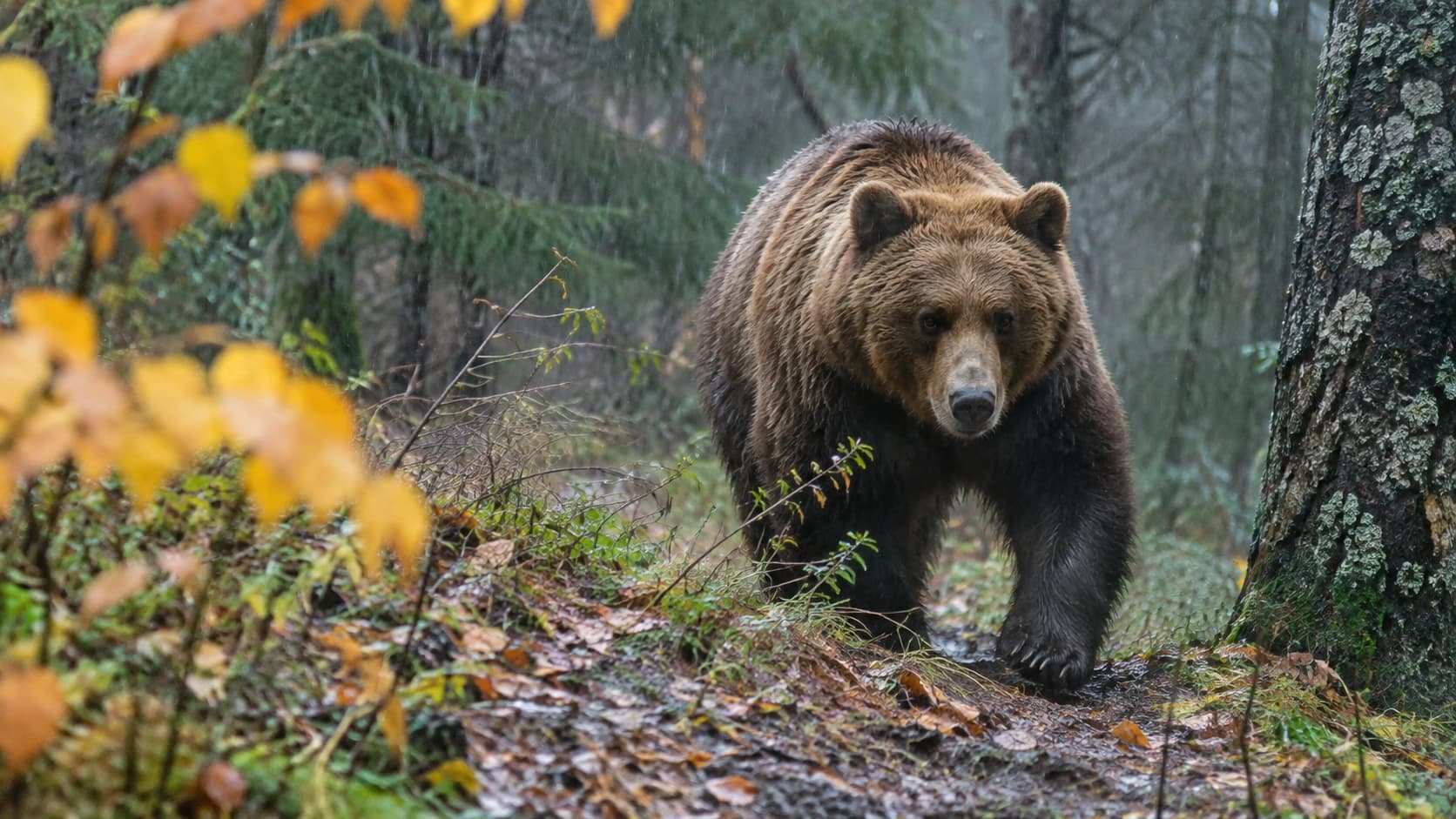
In the Moscow region, bears may fail to enter winter hibernation due to prolonged rains and unstable weather — this is reported by the Telegram channel Mash, which is cited by Life.ru and Gazeta.Ru. Precipitation can flood dens and force the animals to look for new shelters, and a shortage of food means that some predators may not have built up enough fat and will keep searching for food in winter — it is precisely such animals that become roaming bears.
Where the animals are spotted and what forecasters say
According to the channel, bears continue to be spotted in the forests of the Moscow region, including in the Shatura district; local residents are finding tracks of large animals. Particular caution is advised in the Shatura, Taldom and Klin districts. Gazeta.Ru meanwhile cites an estimate of more than a hundred bears in the Moscow region, whereas Life.ru earlier, citing the regional Ministry of Ecology , wrote about 70–80 individuals, of which about 30–40 live in the region permanently while the rest come in from neighboring regions; these estimates differ. The main danger is the combination of thaws and heavy precipitation: meltwater can wake an already sleeping animal. Yevgeny Tishkovets, leading specialist at the Phobos weather center, preliminarily forecasts that the winter of 2026–2027 in the capital region will be 2–5 degrees warmer than the climate norm, with an increased amount of precipitation, including rain and wet snow.
Not every awakened bear is a rover
As Life.ru explains, if an animal has left a flooded den but retained sufficient fat reserves, it may return to shelter once frosts come back. The situation is more dangerous when a predator is forced to search for food all winter. Earlier, the same outlet reported that over three months the number of calls from Moscow region residents about bear sightings had doubled — from ten to twenty reports — although far from all of them were confirmed. The sources do not say whether the fears of an invasion of roaming bears have been confirmed: for now this is only a forecast based on the weather situation and observations.