The key facts
- Vance privately called Netanyahu's Iran policy wrong and warned the war could cost Republicans Congress
- Hegseth argued for continuing the campaign, while Vance, Rubio and others pushed for negotiations
- After the Democrats' midterm victory, Trump partially acknowledged the war's role in the defeat but defended the campaign
A split within the administration
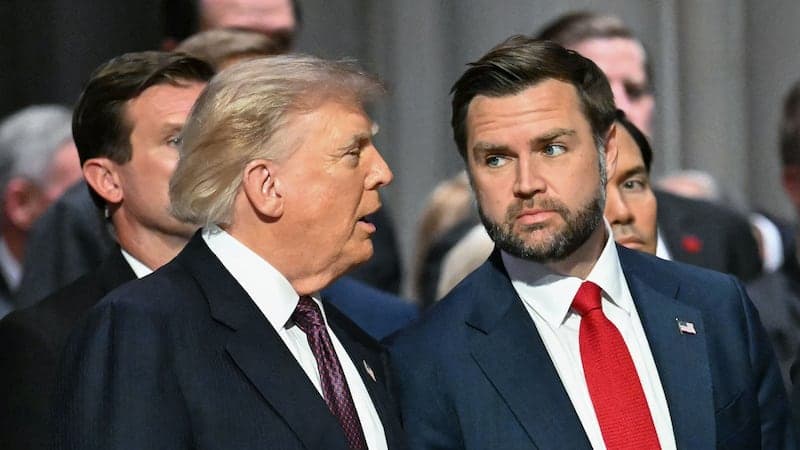
Senior officials in US President Donald Trump's administration have been divided for months over the war with Iran, American media report. According to Axios, citing sources, Vice President JD Vance in private conversations blamed Israeli Prime Minister Benjamin Netanyahu for 'getting everything wrong' on Iran and repeatedly urged Trump to negotiate an end to the conflict. Vance also warned that the war is deeply unpopular among American voters and could lead to a Republican defeat in the midterm congressional elections.
Disagreements over strategy
The Wall Street Journal separately reported that tensions intensified around the question of continuing military operations: Defense Secretary Pete Hegseth argued for continuing the campaign, while Vance, Secretary of State Marco Rubio and other senior officials insisted on diplomatic negotiations. According to the newspaper, in September a meeting was held in the White House Situation Room about the political consequences of the war: participants feared that publicly acknowledging the ongoing strikes would hurt Republican candidates. After the briefing, Trump agreed not to publicize the operations, and US forces later carried out limited defensive strikes against Iranian missile launchers and other military equipment without publicly emphasizing them. The outlet also reported that some White House advisers blamed Hegseth for convincing Trump that the conflict would be short-lived; despite the criticism, the president publicly defended the secretary and does not intend to fire him.
Netanyahu, the elections and Trump's admission
Axios reported that Netanyahu urged Trump to resume strikes on Iran before the midterm elections, despite warnings about the political consequences; Trump considered new strikes but decided to wait for the results. According to the outlet, most senior officials shared Vance's position on an agreement with Tehran, although the president himself leaned toward resuming military action. The disagreements became public on Wednesday, when Vance directly tied the Republicans' losses to the Iran policy: 'The reason we lost is the war,' he wrote on social media. According to The Washington Post, Vance cited four complaints from disgruntled voters: ending the war with Iran, inflation and the cost of living, a return to 'America First' priorities, and changing Washington's relationship with Israel. Trump subsequently admitted that the conflict contributed to the defeat, in particular because of rising gasoline prices ('I think that's largely true, because it raised gas prices a bit in the short term'), but defended the decision to launch the campaign, saying preventing Iran from obtaining nuclear weapons was necessary, and spoke positively of the vice president's position.
Options for Trump
According to Axios, after the election defeat Trump is considering three main options: resuming major strikes, an agreement with Tehran, or maintaining the naval blockade and sanctions while attempting to extract new concessions from Iran. Qatari mediators, the outlet reported, are working on a draft agreement intended to prevent a resumption of hostilities and potentially open the way to direct US-Iran talks. CIA Director John Ratcliffe, Treasury Secretary Scott Bessent and other advisers, according to The Wall Street Journal, argue for giving the blockade and economic pressure more time; others propose strikes followed by negotiations or winding down the campaign. Meanwhile, the Pentagon continues preparing for a possible resumption of major combat operations: another carrier strike group and a Marine expeditionary force are heading to the region, which could add thousands of American service members. Democrats will take control of both chambers of Congress in January.