The key facts
- The price of flatbread in Khartoum doubled in a week — from 250 to 500 Sudanese pounds
- The pound lost about 25% of its value in a month, reaching a record low of more than 10,500 pounds per dollar
- More than 200,000 people in South Kordofan and North Darfur are already experiencing famine, according to UN-backed reports
Bread is becoming unaffordable
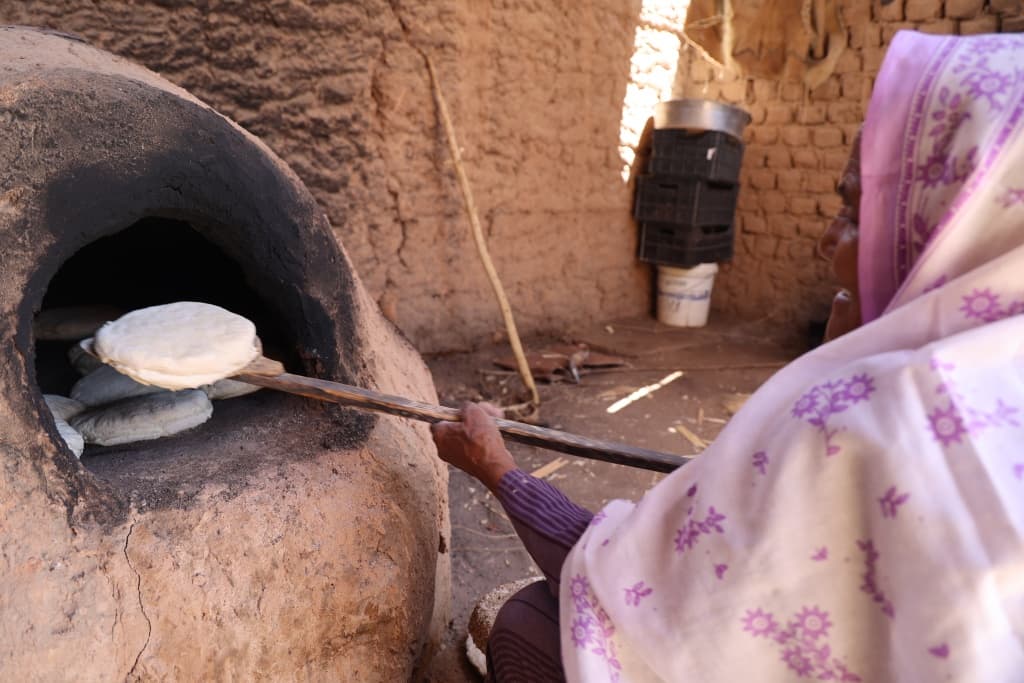
Almost three and a half years after the war began between the paramilitary Rapid Support Forces (RSF) and the Sudanese army, it is becoming increasingly difficult for residents of Khartoum to buy the staple food — bread. Most bakeries in the capital have closed due to a spike in wheat prices and a shortage of fuel, AFP reports. Sawasan Mahmoud, a 44-year-old Khartoum resident and mother of three, said that she and her husband spend both of their salaries on bread alone: the family sets aside 900,000 pounds (about 88 dollars) a month and eats bread only once a day.
Currency collapse and bakery closures
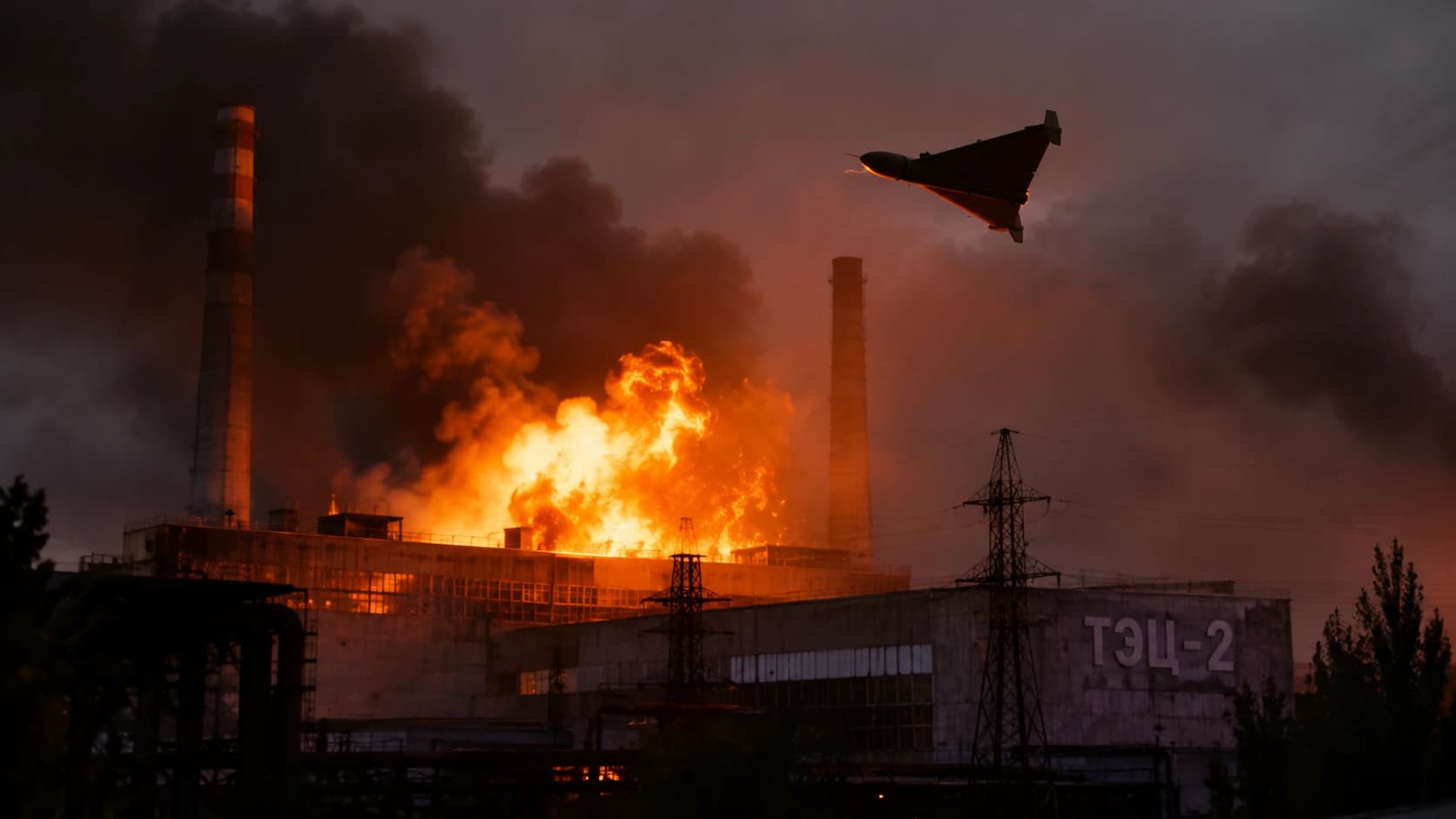
Sudan imports most of its wheat, so prices depend directly on the exchange rate of the local currency. Over the past month, the Sudanese pound lost about 25% of its value against the dollar, falling to a record low of more than 10,500 pounds per dollar, before recovering slightly to around 10,200. For comparison: in 2023, when the war began, the dollar was worth 500 pounds. Baker Mutawakil Ahmed Babiker in the southern Khartoum district of Al-Azhari said the price of flour had doubled and power cuts force him to buy fuel for a generator; he believes he will most likely close the bakery, selling flatbread for 500 pounds — below cost. According to AFP, widespread power outages in Khartoum and the east of the country are linked to repeated drone attacks on power stations.
Famine and the humanitarian situation
International organizations warn of a possible spread of famine, which has already been declared in parts of the country: about 20 million people suffer from acute food shortages. According to UN-backed reports, more than 200,000 people in the states of South Kordofan and North Darfur are experiencing famine, and there is a warning that it could spread to eight cities by 2027. Outside the capital, most wheat arrives as aid, but fuel shortages, rising prices, and road closures due to fighting hamper deliveries. The country is divided into zones of influence: the army holds Khartoum, the center, and the east, while the RSF controls Darfur in the west and parts of the south.
Everyday consequences
Residents of the capital are once again lining up at communal kitchens, many of which resumed operations after the army regained control of Khartoum and pushed out the RSF in March 2025. The Ombada Emergency Room group, which coordinates communal kitchens in Omdurman, warned that 'the circle of need is widening, encompassing thousands of families and displaced people,' and that access to even one meal a day is becoming a dream. According to the Central Bureau of Statistics, cited by AFP, the poverty rate in Sudan has reached 80%, and inflation last year was 99%. Prices for basic foods reflect the crisis: a kilogram of meat costs between 50,000 and 70,000 pounds, and, as a shopper at an Omdurman market said, where a person could once afford two kilograms, they now buy 125 grams.