The key facts
- Parliament rejected the first part of the 2027 budget; the Senate vote is scheduled for December 9.
- Hundreds of thousands are expected to participate; over 70,000 police officers have been deployed.
- Since November 1, the government has released 10 million barrels of diesel from strategic reserves.
Strike follows budget rejection
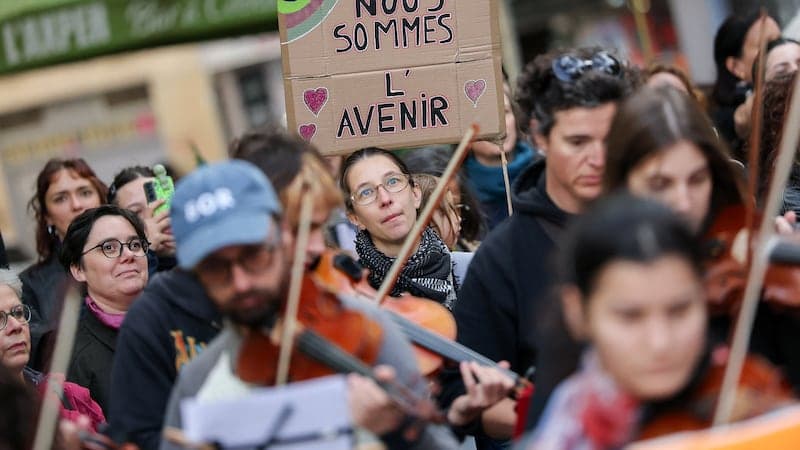
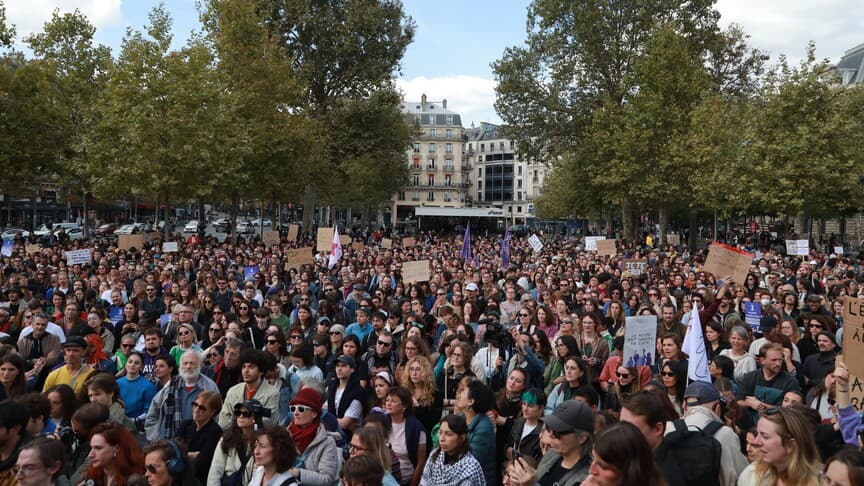
On Thursday, France is holding a nationwide day of strikes, with hundreds of thousands expected to join. As reported by Euronews, trade unions, the Yellow Vests movement, students, healthcare and education workers, air traffic controllers, railway employees, dockworkers, and postal staff are participating in the demonstrations. Mobilization began a day after MPs rejected the first part of the 2027 budget bill, with parties across the political spectrum voting against it. The initial budget proposal will now go to the Senate, where the vote is scheduled for December 9; afterward, a parliamentary committee will attempt to reach a compromise before returning the document to the National Assembly.
Background of the protests and security measures
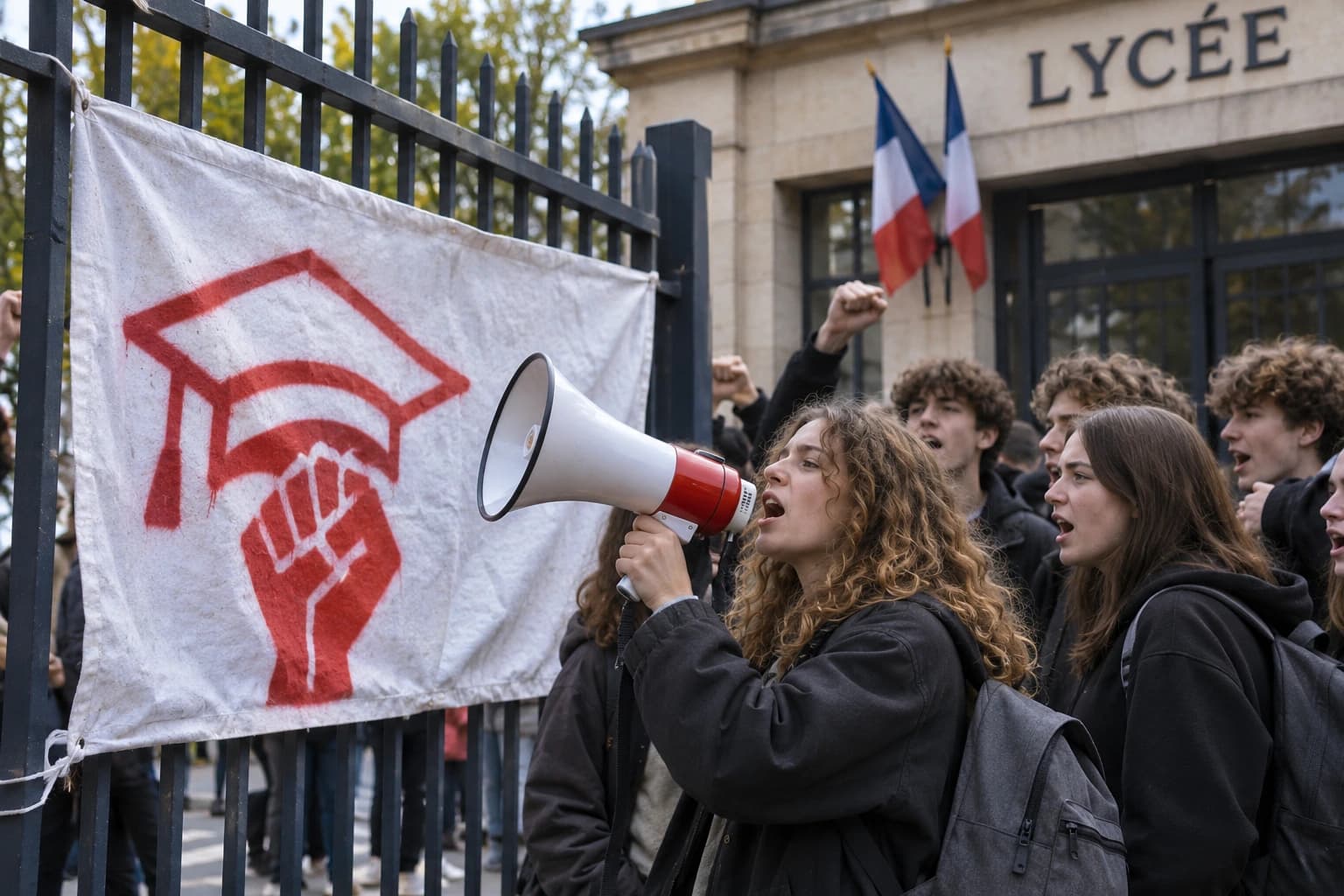
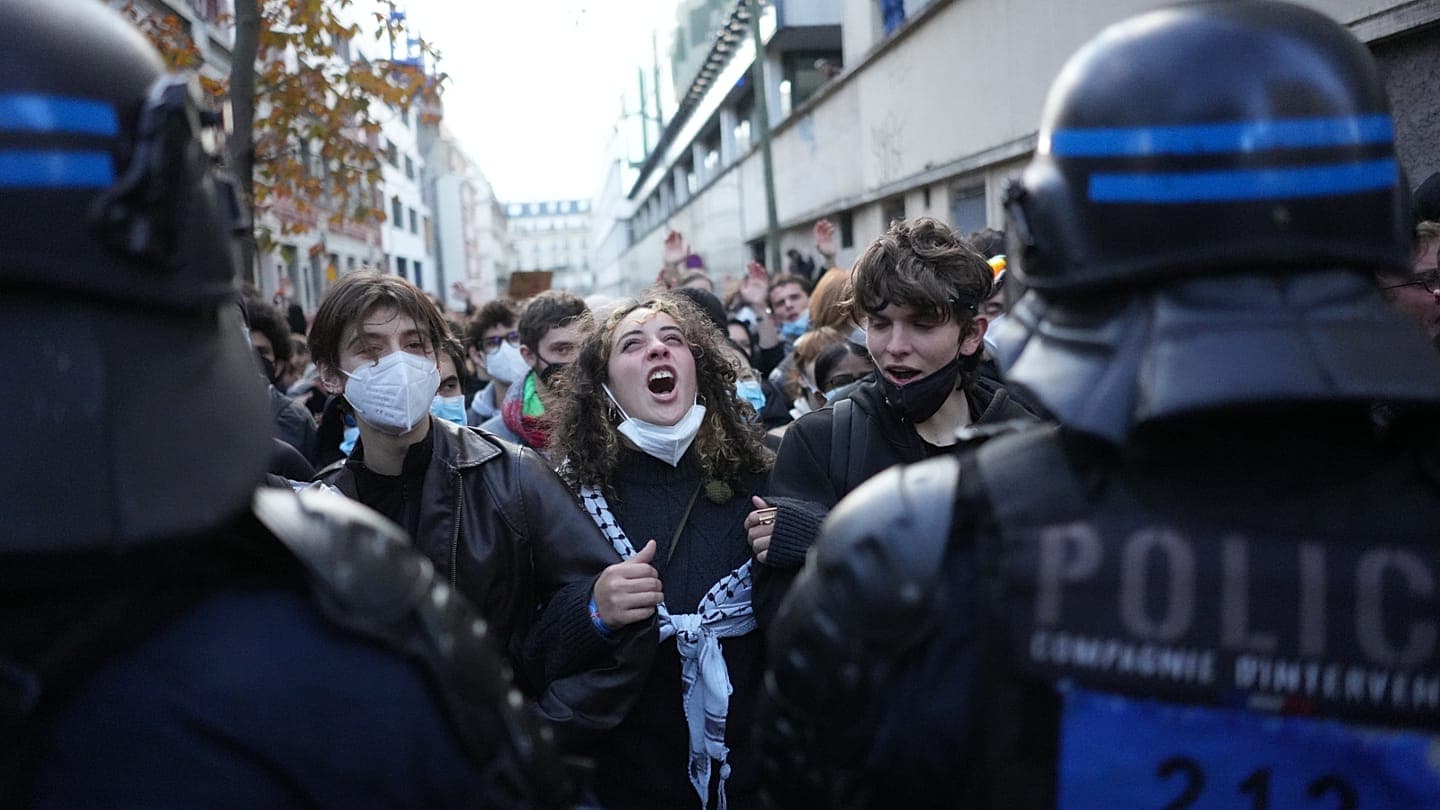
The wave of protests began in mid-September with student demonstrations against overcrowded classrooms, teacher shortages, and university admission issues, and later expanded as trade unions supported student demands and took to the streets due to rising living costs and fuel prices. Interior Minister Laurent Nuñez announced the deployment of more than 70,000 law enforcement personnel, stating that their main task is to ensure the demonstrations remain peaceful. According to him, intelligence services have detected significant interest from far-left groups and factions prone to disorder. Authorities altered the march route in Paris previously agreed upon with trade unions, a decision made amid heightened security measures following the riots on October 17–18, when largely peaceful protests were accompanied by looting. Trade unions and human rights organizations, in turn, condemned the authoritarian restrictions and accused the police of excessive use of force.
Budget, energy, and political context
Emmanuel Macron's government, with less than six months remaining until the April elections, is attempting to pass a budget containing austerity measures through a parliament where it lacks a majority, amid a public debt crisis and deficit. According to polls, Marine Le Pen (National Rally) leads, followed by Jean-Luc Mélenchon (La France Insoumise) in second place. Major trade unions stated that the budget worsens the situation by hitting the most vulnerable and sick, freezing social benefits, and undermining the protective role of the social security system. Discontent is further fueled by energy prices amid a global supply shock caused by the conflict in the Middle East and the closure of the Strait of Hormuz. Since November 1, the government has begun releasing 10 million barrels of diesel from strategic reserves; Economy Minister Roland Lescure told BFMTV that prices have fallen by an average of 15 cents per liter of diesel, and by more than 20 cents at over 3,000 of the country's more than 10,000 gas stations.
Educational concessions deemed insufficient
On October 26, the government presented a package of educational measures in response to student protests: 4 billion euros in preferential loans for school repairs and the creation of 15,000 additional university places in 2027–2028. Student unions described the measures as merely cosmetic, demanding 10 billion euros in direct investment in school infrastructure, while some unions insist on 250,000 new university places.