The key facts
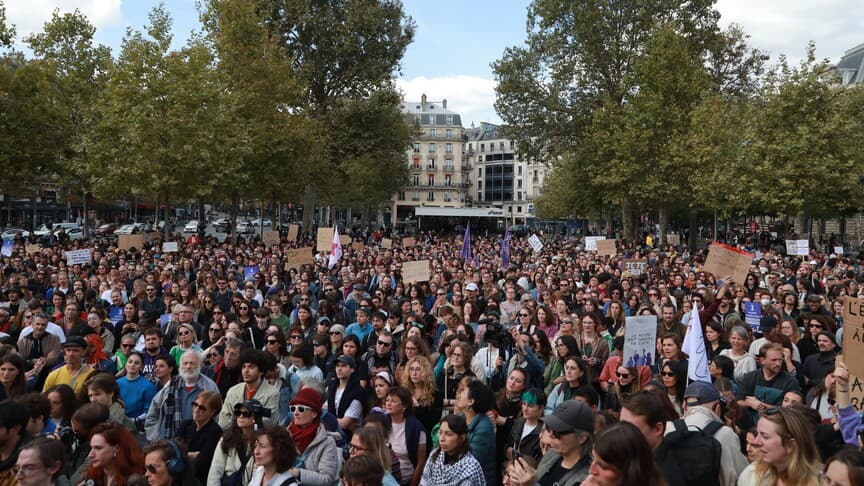
- 5 November saw nationwide strikes and student demonstrations in France over the cost of living, with estimates ranging from 500,000 to 780,000 participants.
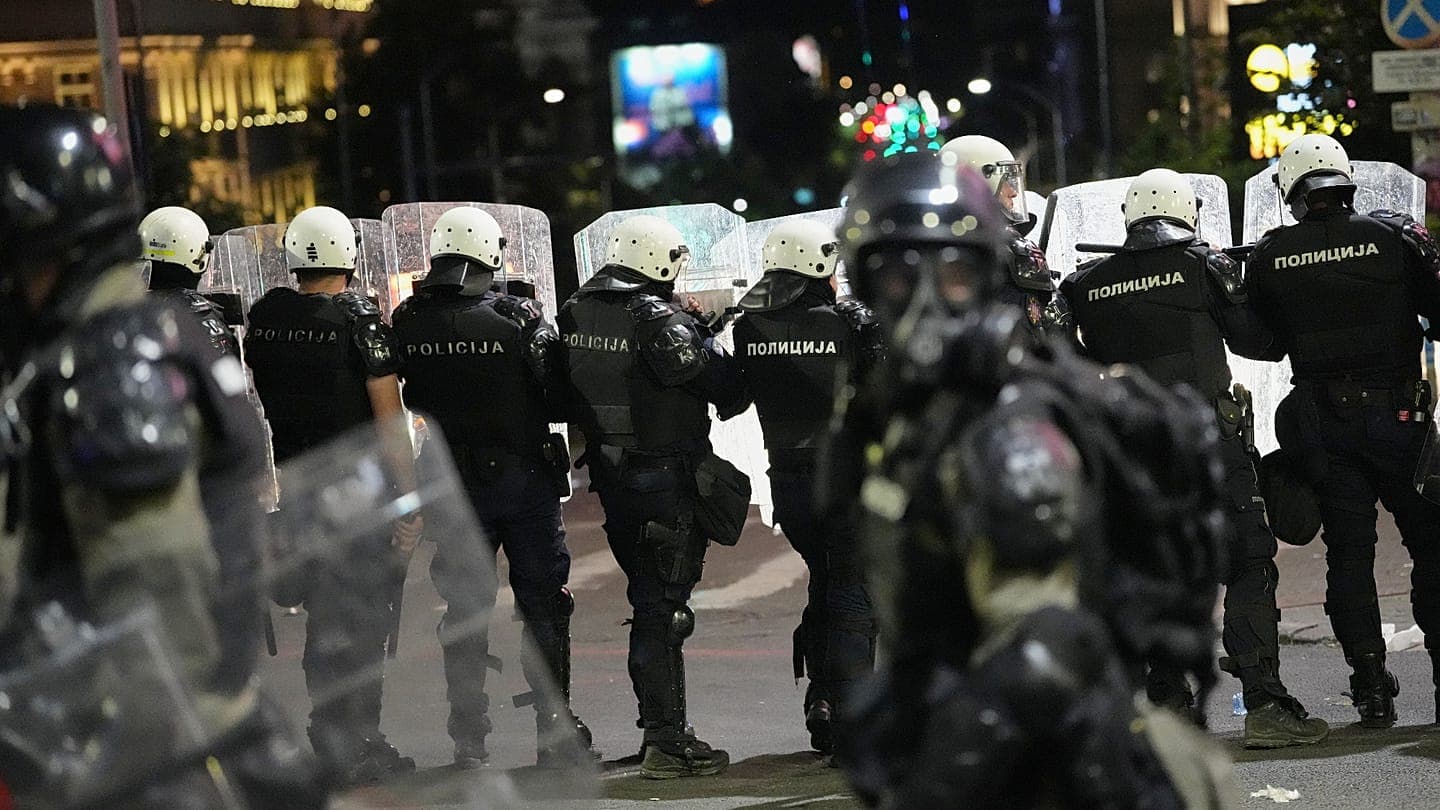
- Authorities deployed 70,000 police and gendarmes, 26 armoured vehicles, around 15 water cannons, and special units including BRI, RAID, and GIGN.
- The planned march from Place de la Bastille to Place de la Concorde was banned; the administrative court upheld the alternative route from Place de la République to Place de la Nation.
Scale of mobilisation and demands
On Thursday, 5 November, nationwide strikes and demonstrations took place in France against rising living costs. Authorities estimated that between 500,000 and 700,000 people would take part across the country, with up to 80,000 in Paris; the inter-union group forecast a total of up to 780,000 participants, according to the French edition of Anadolu citing BFMTV. The CFDT union expected mobilisation comparable to the 2023 protests against pension reform, when over a million people took to the streets, AFP reported..
Who is participating and what they demand
Workers, civil servants, pensioners and 'yellow vests' joined the actions, along with schoolchildren and students. The student movement began in mid-September with protests over study conditions and merged with broader discontent over high prices and inequality. Education unions, railway workers, hospital staff and postal workers demanded an increase in the minimum wage—which has not received a voluntary raise since 2012—across-the-board wage increases, tax reform and improved study conditions. The strikes affected transport: SNCF warned of moderate to serious disruptions on regional lines and suburban routes around Paris; approximately one in ten high-speed TGV trains was cancelled, while long-distance services were less affected.
Security measures and dispute over the route
Interior Minister Laurent Nuñez stated that the deployment would be 'exactly the same' as on 31 October and promised an 'extremely tough response' to any acts of violence. 26 armoured vehicles, around 15 water cannons, helicopters, drones and special units BRI, RAID and GIGN were deployed; routes were chosen to avoid sensitive areas, particularly city centres. Police banned the route proposed by organisers from Place de la Bastille to Place de la Concorde near the National Assembly, citing heightened social tension and the disorders of 17 October; the Paris administrative court upheld the alternative route from Place de la République to Place de la Nation. Several unions described the route bans as suppression of the freedom of demonstration and filed urgent appeals.
Context following 17 October
The situation deteriorated after 17 October, when, according to AFP estimates, the worst riots in France in recent years occurred: looting, pillaging and vandalism. Authorities acknowledged failures in security and intelligence. Although student actions were mostly peaceful, isolated clashes involved tear gas and water cannons; following the throwing of Molotov cocktails at security forces in Paris on Saturday, a case of attempted murder was opened. The police response was criticised for excessive harshness—internal investigations have been launched based on allegations of brutality; several teenage protesters were seriously injured, and thousands were arrested. According to AFP, similar youth protests have also erupted in recent weeks in Denmark, Germany and Italy.