The key facts
- The public sector strike and nationwide trade union mobilization take place on Thursday, November 5
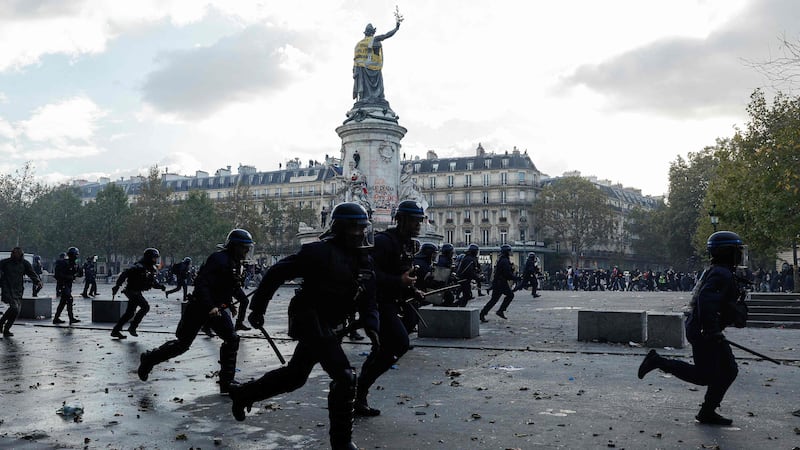
- Domestic intelligence expects 500,000–700,000 demonstrators outside Paris; the authorities have deployed about 70,000 police officers
- Domestic intelligence expects 500,000–700,000 demonstrators outside Paris; the authorities have deployed around 70,000 police officers
- The strike reduced nuclear power output by 2.4 GW; rail disruptions are expected
- The strike has reduced nuclear power output by 2.4 GW; rail disruptions are expected
Mass mobilization against the cost of living
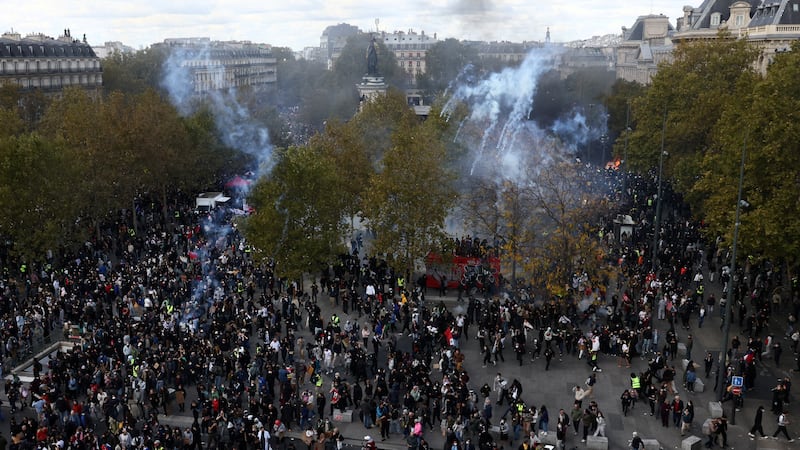
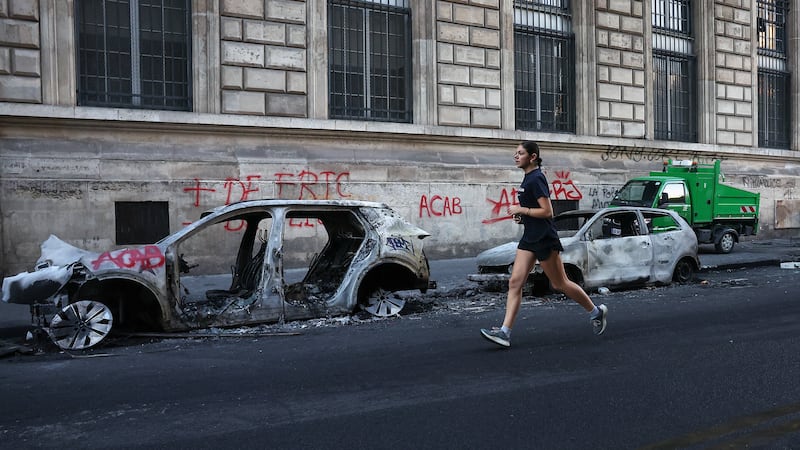
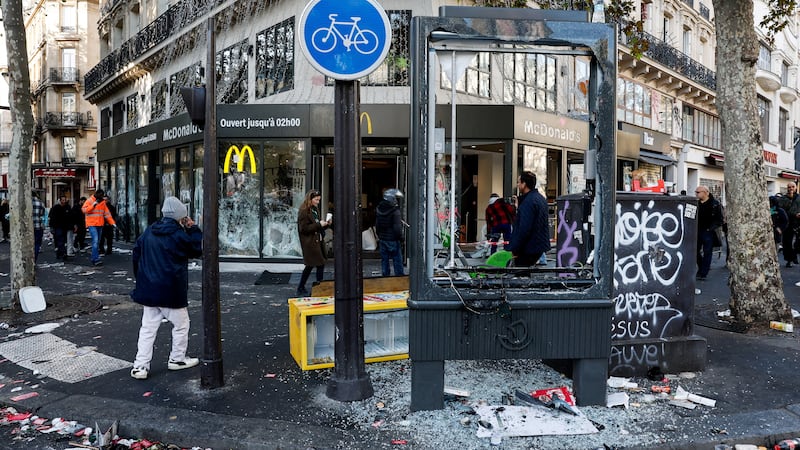
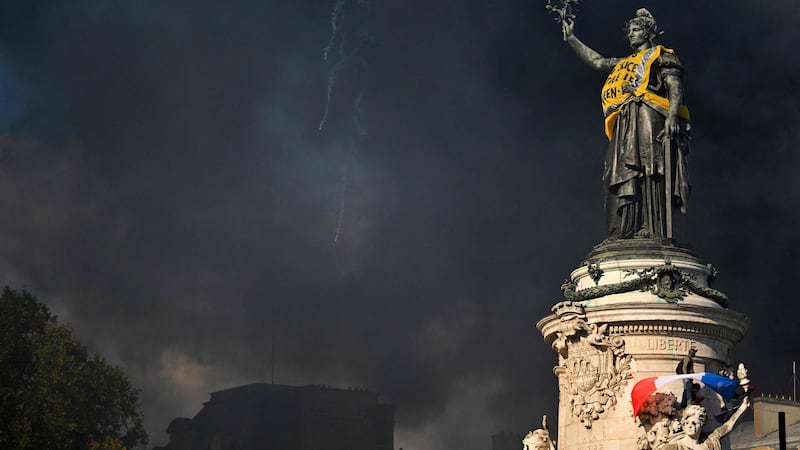
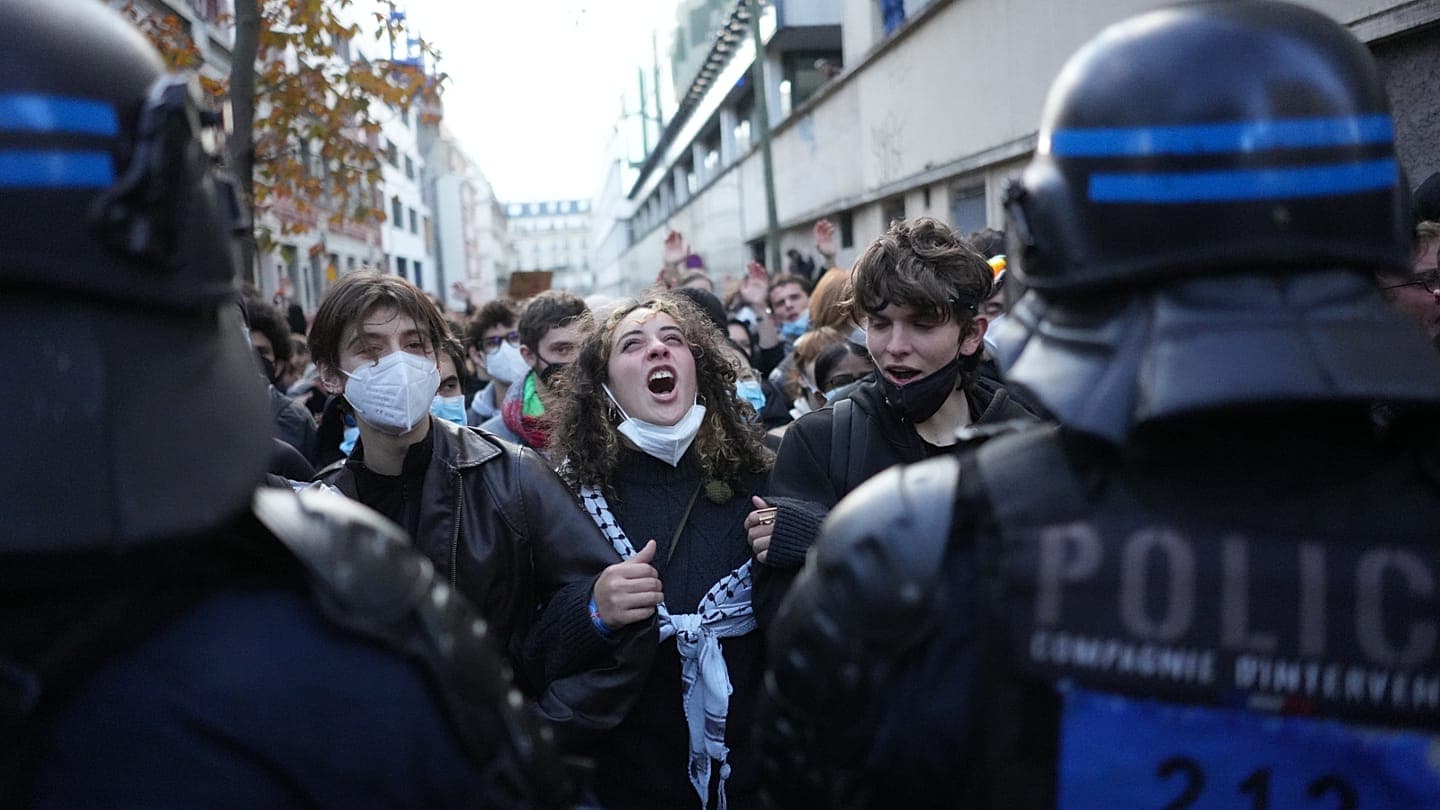
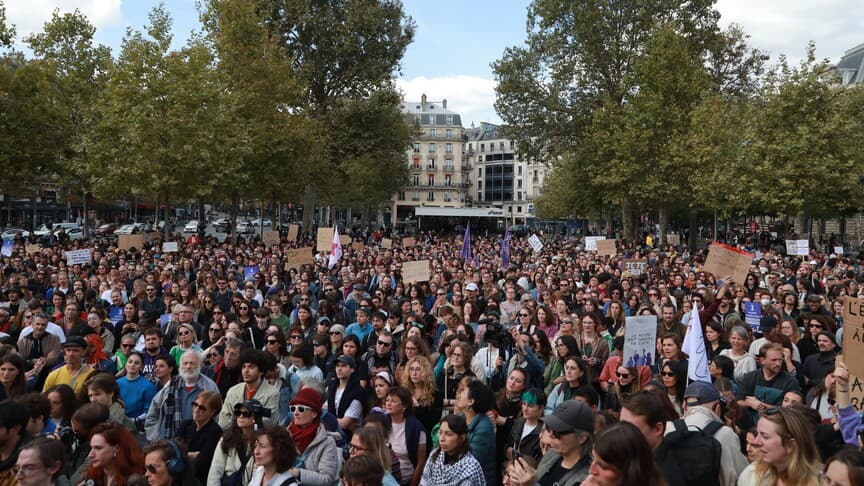
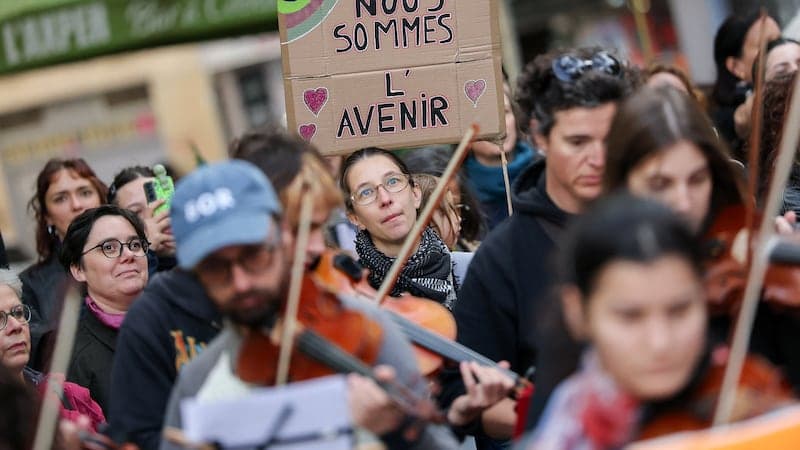
Mass protests are taking place in France on Thursday, November 5: hundreds of thousands of people, according to the authorities' expectations, are expected to take to the streets of cities, while public sector workers are holding a strike. According to The National, the day of action is dedicated to the cost of living, public services and education. It has become a new test for President Emmanuel Macron after weeks of unrest, which the outlet calls the worst civil unrest in France in recent years. On the eve of the actions, Macron convened a defense and security meeting.
Who is taking to the streets and what the authorities expect
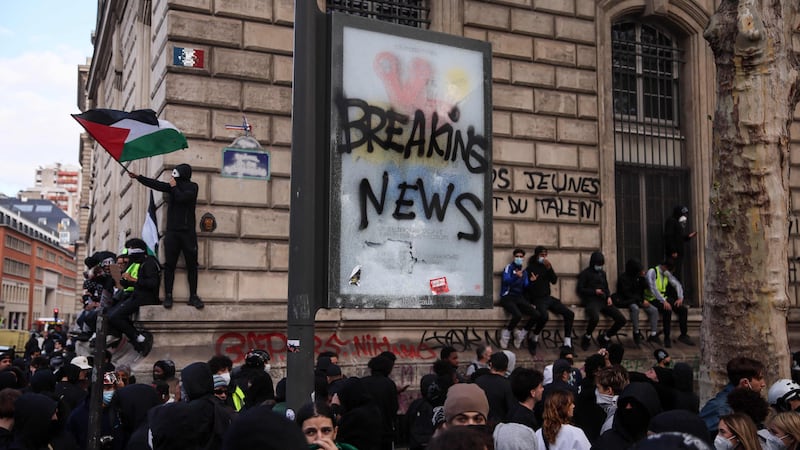
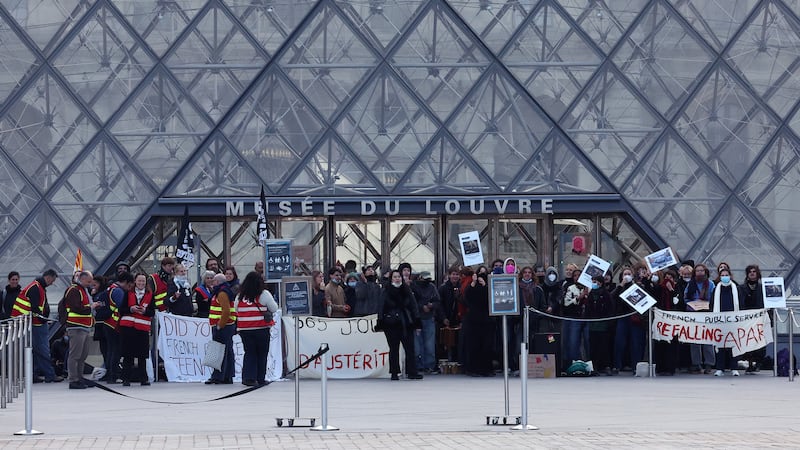
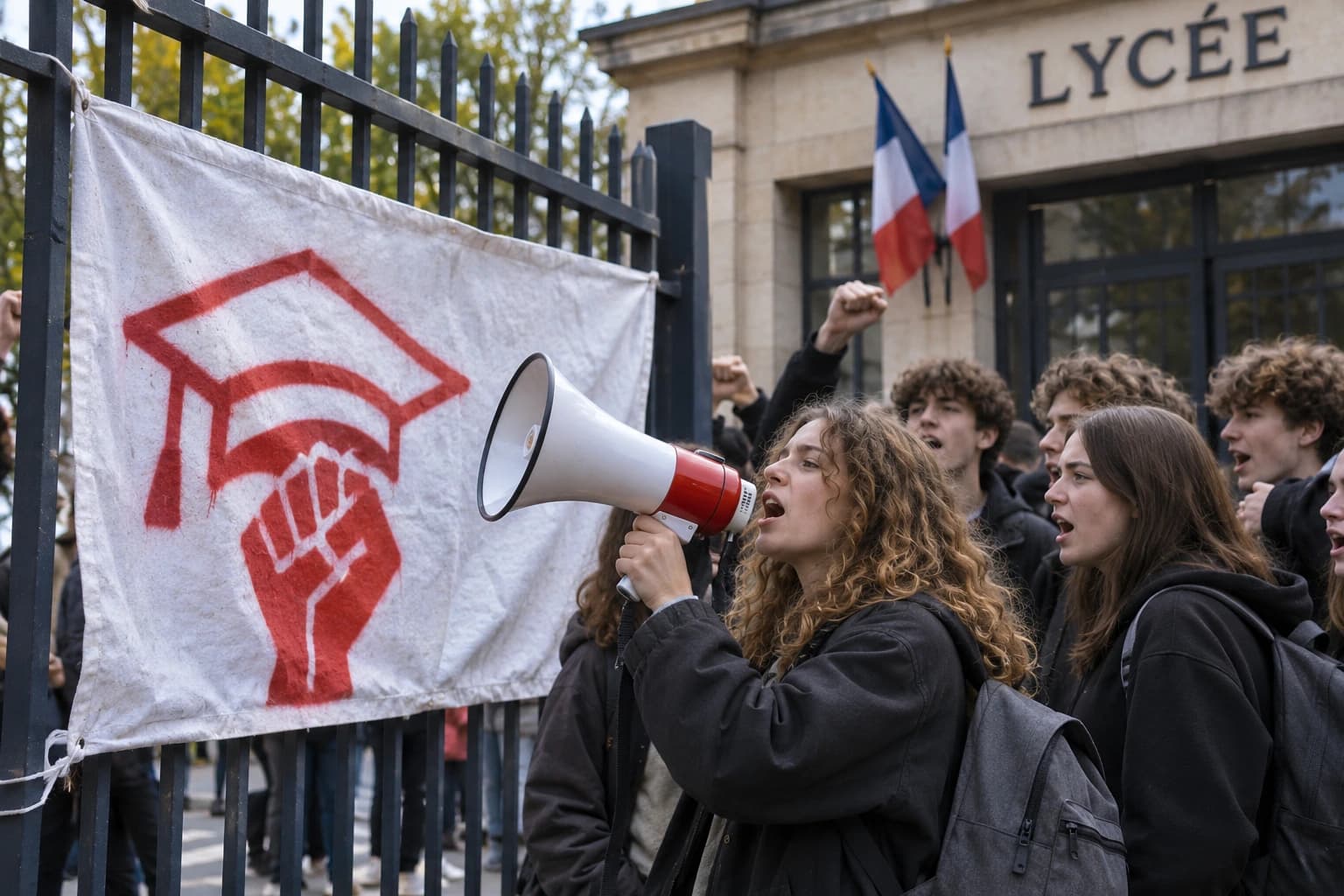
The main trade unions of the public and private sectors called for nationwide mobilization, uniting different sources of discontent: from the 'yellow vests' movement that emerged in 2018 to students who have been protesting since September against overcrowded classrooms, teacher shortages and dilapidated school buildings. The Ministry of Education expects 17.5% of teachers at public primary schools to take part in the strike; trade unions warn of possible disruptions to railways and public transport.
Consequences for transport and energy
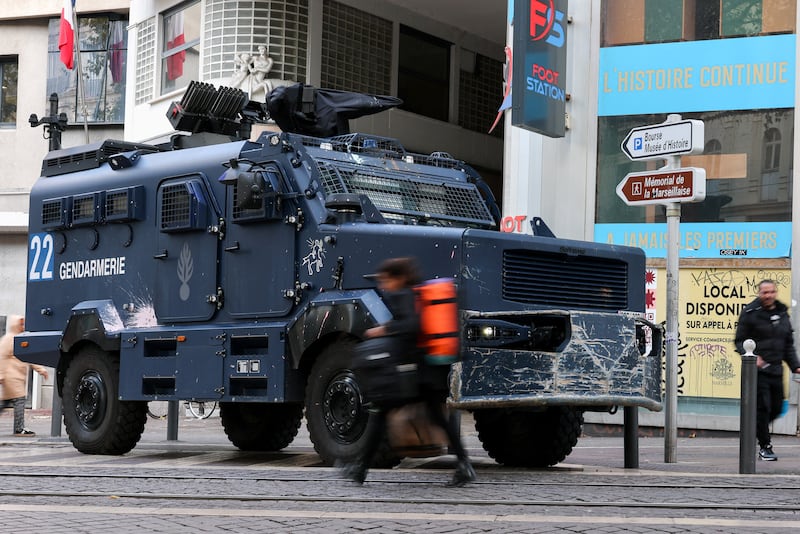
The practical effects of the strike are already noticeable: early on Thursday morning, French nuclear power output fell by 2.4 gigawatts. The operator SNCF expects disruptions on local and regional lines and partial disruptions to high-speed services, while most of the Paris metro is expected to operate. Dockers have also declared a strike. Across the country, the authorities have deployed about 70,000 police officers; domestic intelligence expects between 500,000 and 700,000 participants in demonstrations outside Paris.
The political context six months before the election
The actions come roughly six months before the presidential election, and Macron's opponents are using public discontent to promote their programs: far-right candidate Marine Le Pen emphasizes law and order, while Jean-Luc Mélenchon focuses on social issues and police violence. Macron himself, according to The National, largely blames the escalation on rising energy prices, social media and the 'far left'. Éric Coquerel (Mélenchon's party), chair of the National Assembly's finance committee, said on X that schoolchildren's and students' demands 'should not depend on the adoption of the budget bill', and that the government could respond by swiftly opening additional credits during the parliamentary work on the budget.
What preceded the current day
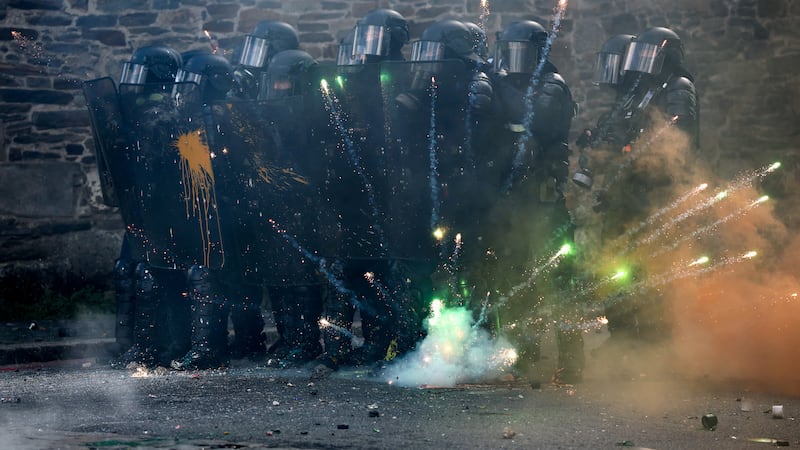
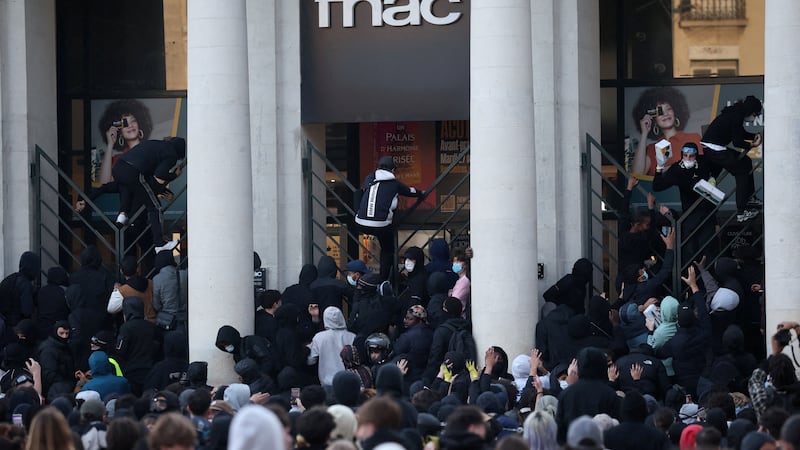
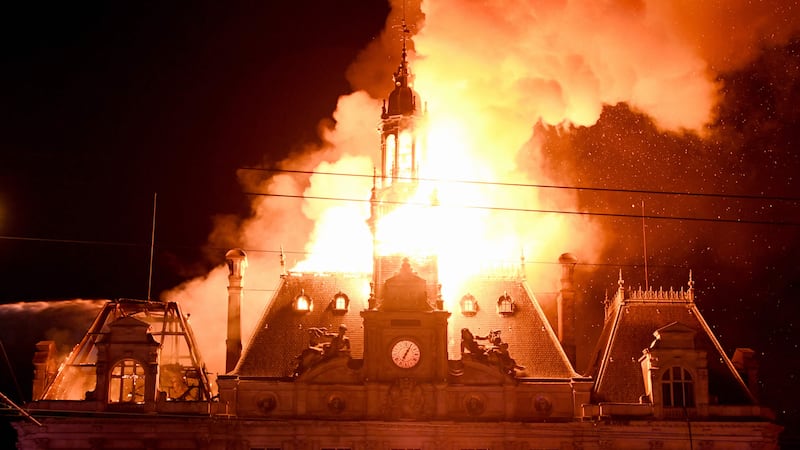
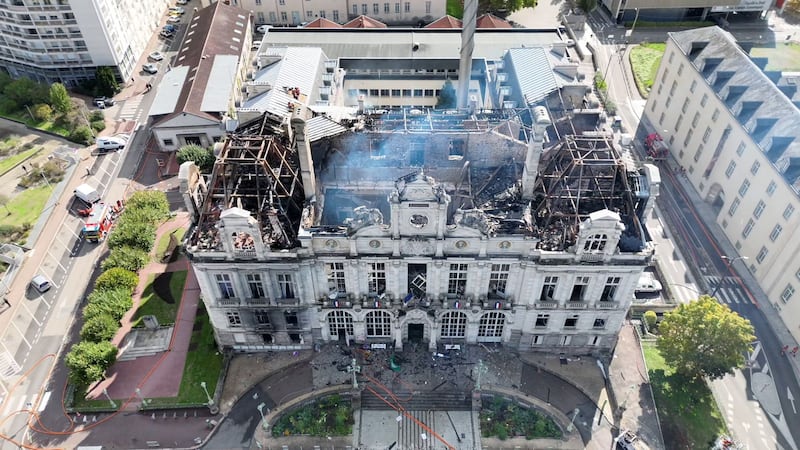
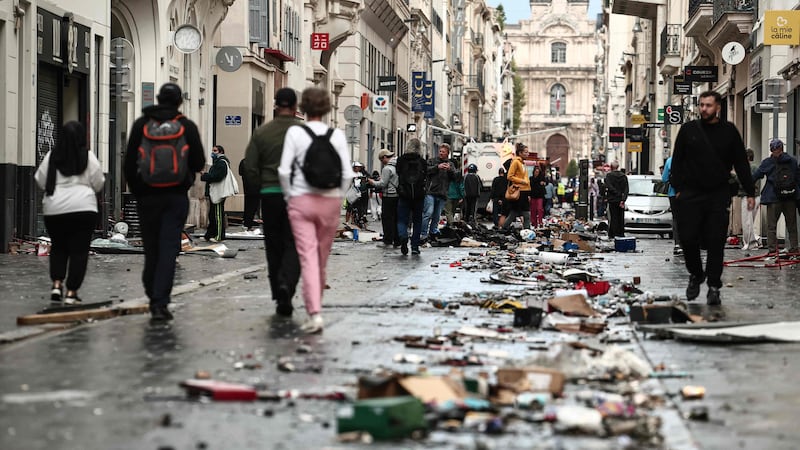
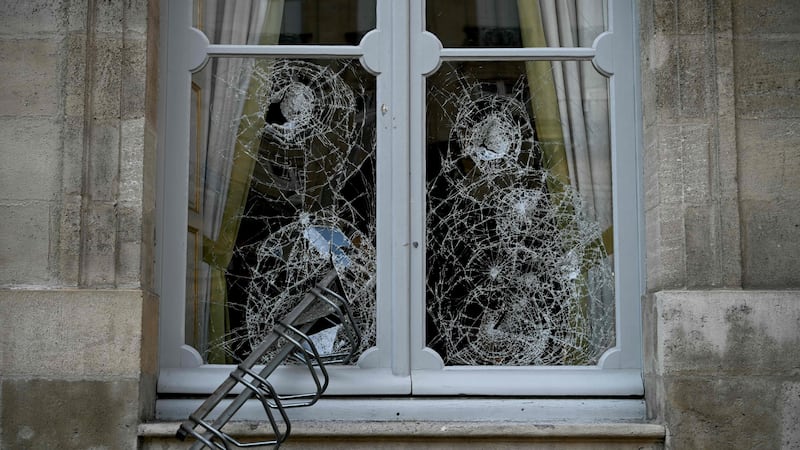
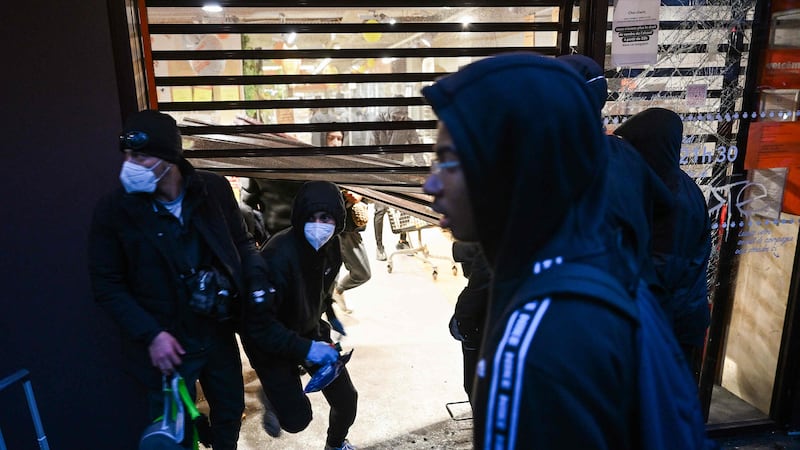
The authorities are trying to ease tensions after the riots and looting of October 17, which caught the security forces off guard: shops and public buildings across the country were damaged then, which intensified criticism of Macron's actions. The current day of action differs from the October events in that it was organized by trade unions in advance and has a specific agenda — the cost of living, public services and education — whereas the previous wave erupted into spontaneous pogroms. There is no data yet in available publications on whether the actions can be kept peaceful.