The key facts
- Eurozone inflation reached 4% in October; energy rose by 20.8%, fresh food by 4.6%
- In 14 of the 27 EU countries food is cheaper than a year ago; prices fell the most in Sweden after the VAT cut from 12% to 6%
- Since September 2021, food in the EU has risen by about a third, and in Hungary by more than half
After a quiet year, the grocery basket is getting more expensive again
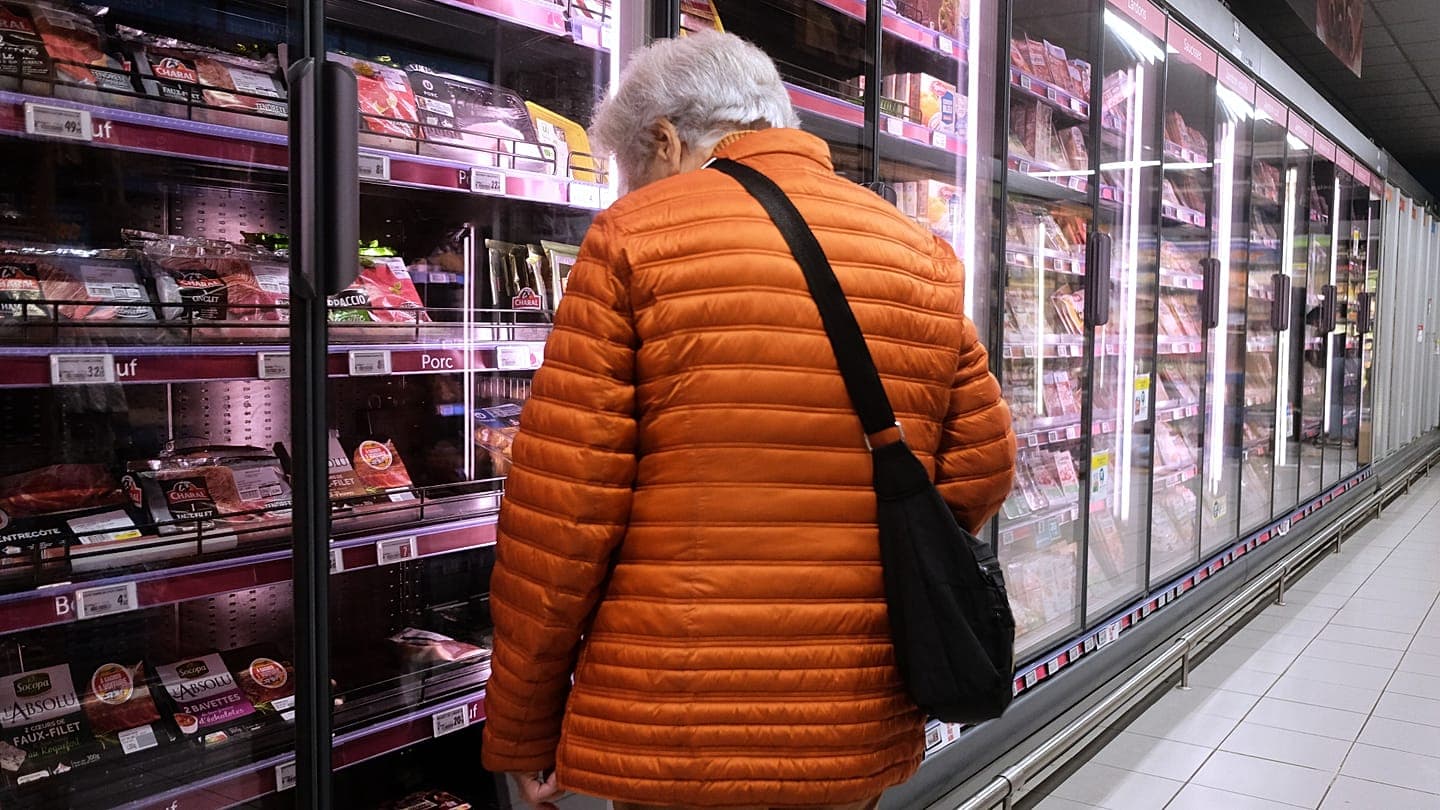
Inflation in the eurozone reached 4% in October — the highest figure in more than three years, according to preliminary data from Eurostat. The main driver was energy: fuel, electricity and heating rose by 20.8% over the year. Prices for food, alcohol and tobacco grew noticeably more modestly — by 1.6%. However, behind the average figures lies an uneven picture: processed foods rose by only 0.5%, while unprocessed foods — fruits, vegetables, meat and fish — jumped by 4.6%, up from 2.7% in August. As Euronews notes, after a quiet year, weekly grocery shopping in Europe is starting to get more expensive again.
Why fresh products are more vulnerable than the rest
The gap between processed and fresh products is explained by logistics: tractors run on diesel, greenhouses require heating, and almost everything is delivered by trucks. When these costs rise sharply, fresh produce, which cannot be stored for long in a warehouse, turns out to be especially vulnerable. Oxford Economics' chief economist for Italy, Nicola Nobile, noted in an emailed comment: 'Energy and food have become the main drivers of price growth, while core inflation overall remains stable despite the ongoing energy shock.'
Italy: a truckers' strike emptied the shelves
Italy became the most extreme example. For about two weeks, truck drivers, outraged by the cost of diesel fuel, blocked roads and ports in the south of the country. Warehouses stopped shipments, and shelves with meat, fresh milk, fruit and bottled water in Campania, Apulia and Calabria emptied — in some small stores within just one day. According to preliminary data from the national statistics office Istat, in October unprocessed food in Italy rose by 7.5% year on year, up from 5.5% in September, while the typical consumer basket rose by 2.5%, up from 1.5%.
A country-by-country map: from Cyprus to Sweden
September data — the latest covering all EU countries — show where shoppers were hit hardest. Cyprus leads with a 4% year-on-year rise in food and non-alcoholic beverage prices, followed by Spain (2.7%), Romania (2.6%), Malta (2.5%) and Portugal (2.4%). Outside the EU, Turkey's figure is far higher — 27.6%. Meanwhile, in 14 of the 27 EU countries food was cheaper than a year earlier: prices fell the most in Sweden (−6.3%), where from April 1 the government halved the VAT on food — from 12% to 6% — until the end of 2027. In Latvia, Hungary and the Czech Republic, the decline ranged from 3.8% to 4.8%. Among the large economies, fresh food in France rose by 8% over the year with overall food price growth of 1.2% (INSEE data), in Germany food prices rose by just 0.4%, and in Portugal unprocessed food rose by 3.7%.
Cumulative growth and differing burdens on households
The current rise comes on top of already significant price increases: since September 2021, when energy prices began to climb, food in the EU has become roughly a third more expensive. In Hungary the increase exceeded half, in Bulgaria, Estonia and Romania it was just over 50%, while in Luxembourg, Sweden and France it was closer to a quarter. Euronews points out that several countries with the highest price increases are simultaneously those where food accounts for the largest share of household spending: for a family in Bucharest or Sofia, a 2% increase takes a larger share of the budget than the same increase in Luxembourg. According to Pantheon Macroeconomics, eurozone inflation will peak at 4.5% in January, and the firm expects an ECB rate hike in December.