The key facts
- Annual producer inflation in the eurozone in September was 11.1%, the highest since February 2023, above the forecast of 10.9%
- Energy producer prices rose 30.8% over the year and 7.8% over the month
- Among EU countries, the highest growth was in Bulgaria (22.9%), the only decline was in Luxembourg (−8.1%)
Record growth in producer prices
Annual growth in industrial producer prices in the eurozone reached 11.1% in September — the highest level since February 2023, according to Eurostat data published on Thursday. The figure came in above the market expectation of 10.9% and accelerated markedly from 8.3% in August. On a monthly basis, prices rose 2.5% after a 2% increase the previous month, Anadolu reports.
Energy is the main driver
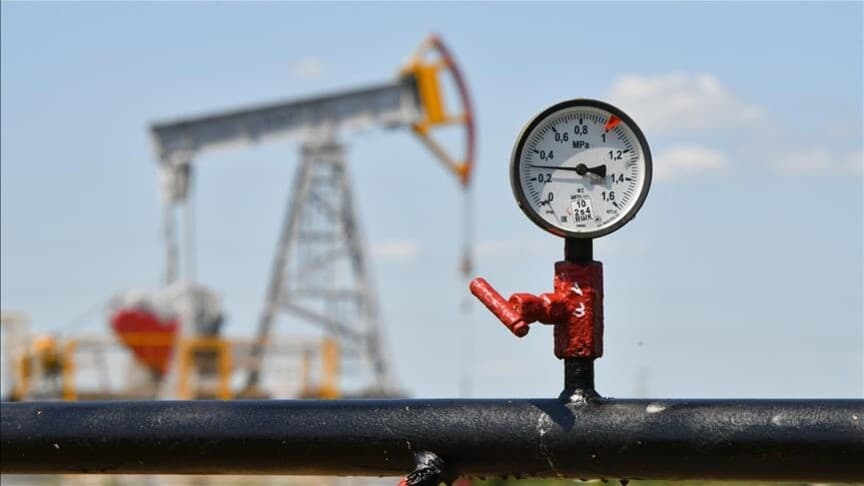
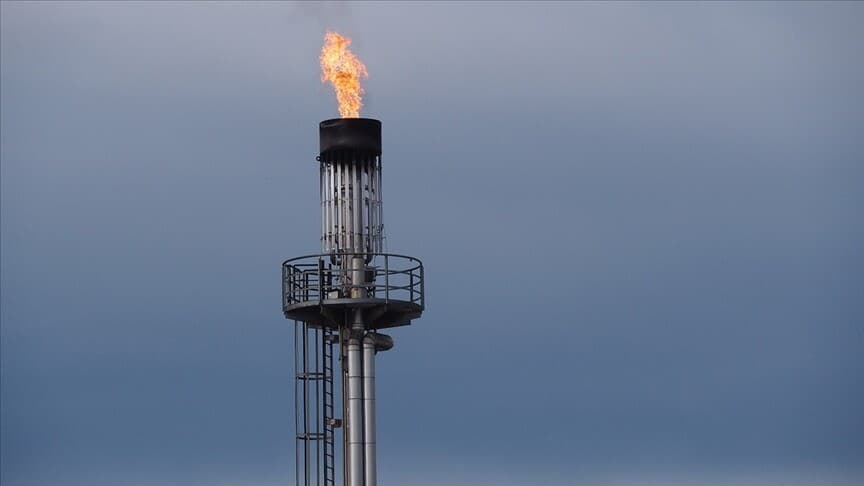
The main contribution to the acceleration came from energy prices: they rose 30.8% year on year (after 21% in August) and 7.8% month on month. Excluding energy, producer price growth was 3.5% annually versus 3.4% in August, meaning the acceleration was almost entirely driven by the energy segment. Prices for intermediate goods — materials and components for production — rose 7.1% over the year, while prices for non-durable consumer goods fell 0.6%.
The picture across EU countries
Across the entire European Union, producer prices rose 10.9% year on year (from 8% in August) and 2.6% month on month. Energy prices in the EU added 30% over the year and 7.7% over the month. The strongest annual increase was recorded in Bulgaria at 22.9%, followed by Ireland (19.9%) and Lithuania (19%). The only country with a decline was Luxembourg, where prices fell 8.1%. In monthly terms, Bulgaria also leads (4.6%), followed by Lithuania (4.2%), Greece and Spain (3.9% each); in Luxembourg and Malta prices were unchanged.
What these data mean
Producer prices reflect the revenue producers receive for goods before they reach consumers. Their rise may signal inflationary pressure further along the supply chain, although, as Eurostat notes in the accompanying description of the data, companies may partially absorb costs without passing them on to buyers. For readers, this is an indicator of how strongly the rise in energy costs is still affecting only the production stage rather than final consumer prices: growth excluding energy remains moderate (3.5%), and prices for non-durable consumer goods even declined.