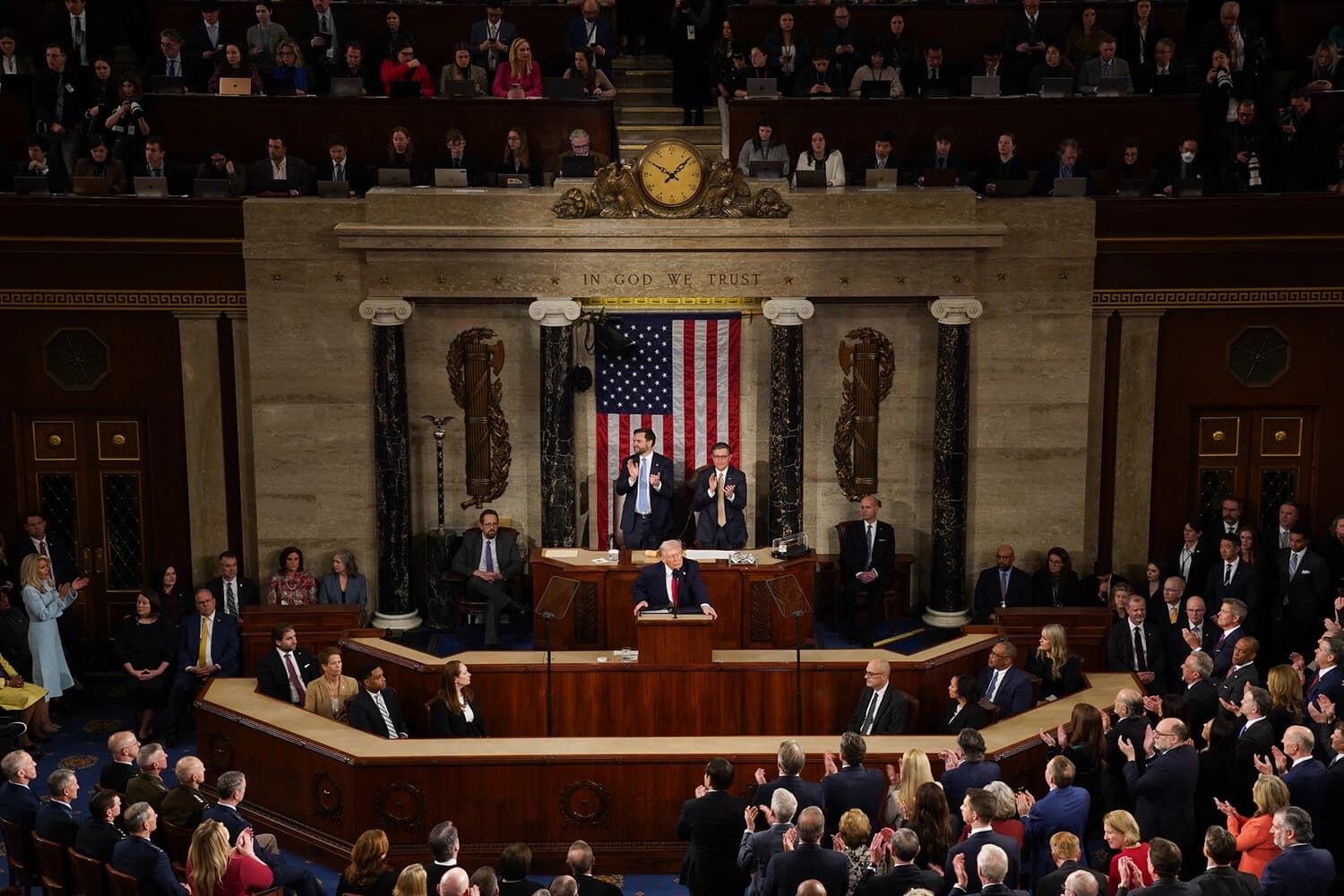
The key facts
- Democrats, by unofficial results of the November 3 elections, won both chambers of Congress; Republicans retain power until January 3, 2027
- U.S. government debt has reached $40.5 trillion against a statutory ceiling of $41.1 trillion; the fiscal 2027 budget must be agreed by December 11
- Democrats' priorities: repealing tariffs, restoring Medicaid cuts, oversight of AI and the crypto market
Change of majority in Congress
According to unofficial results of the U.S. midterm elections held on Tuesday, Democrats have won a majority of seats in both the Senate and the House of Representatives. Anadolu reports this. The outlet links the outcome to voters' dissatisfaction with inflationary tariffs, rising energy prices due to the Middle East conflict, and a growing budget deficit.
Transition period and first signals
Until the new lawmakers are sworn in on January 3, 2027, the outgoing Republican majority retains power, and, analysts expect, the Trump administration may try to push through its remaining initiatives during this period. The president himself, who had previously threatened to veto any bills if Republicans lost, showed a more conciliatory tone on election night, according to Anadolu.
Budget, debt and shutdown risk
The new Congress will have to agree on a budget for fiscal year 2027 before the December 11 expiration of the temporary government funding. Democrats intend to direct more money to healthcare and social programs and may block the Republican administration's demands to increase defense spending and cut social programs — if negotiations drag on, this raises the risk of a federal government shutdown. As of Monday, total U.S. government debt had reached $40.5 trillion, approaching the statutory ceiling of $41.1 trillion; analysts warn that a deadlock in debt-ceiling talks could cause fluctuations in Treasury yields and pressure on the country's credit rating.
Tariffs, fuel and the war with Iran
Among Democrats' priorities are revising protectionist trade policy to reduce inflationary pressure and a legislative attempt to end the war with Iran, which began after the U.S. and Israeli attacks on February 28. According to American Automobile Association figures cited by Anadolu, the war is keeping average gasoline prices above $4 per gallon (up 35% over the year) and diesel above $6 (up 69%). Hakeem Jeffries, the future House majority leader, demanded at a post-election press conference that Medicaid cuts be reversed, Affordable Care Act tax credits restored, 'costly overseas wars' ended, and tariffs eliminated. Restraining defense spending and the president's war powers may run into a presidential veto.
Technology, AI and crypto under scrutiny
The new Congress, it is expected, will strengthen federal oversight of digital assets and the technology sector, introduce artificial intelligence safety standards, and investigate the Trump administration's personal ties to the crypto industry. These expectations are already putting pressure on AI and data-center stocks. A separate factor is regional: in the second quarter, at least 45 data-center projects worth a combined $68 billion faced delays due to local resistance, and Democratic victories in Texas and Georgia, where such investments are concentrated, could increase volatility. Gina Hinojosa, elected governor of Texas, criticized the 20-year tax breaks for tech giants and promised a moratorium on new data centers until legal safeguards are created.
The Fed and what remains unclear
A Democratic Senate, Anadolu notes, could help preserve the independence of the Federal Reserve, which Trump has pressured to cut rates: the Senate can use its powers to protect the central bank and confirm appointments. Meanwhile, most election results are still unofficial, and the key battles — over the budget, the debt ceiling and tariffs — are yet to come, so the new Congress's concrete decisions will become known after January 2027.