The key facts
- Democrats won majorities in the House and Senate in the November 3 elections
- WSJ: Congress can influence defense funding, aid to Ukraine, and sanctions laws
- Most operational decisions will remain with the executive branch
Democrats gain control of Congress
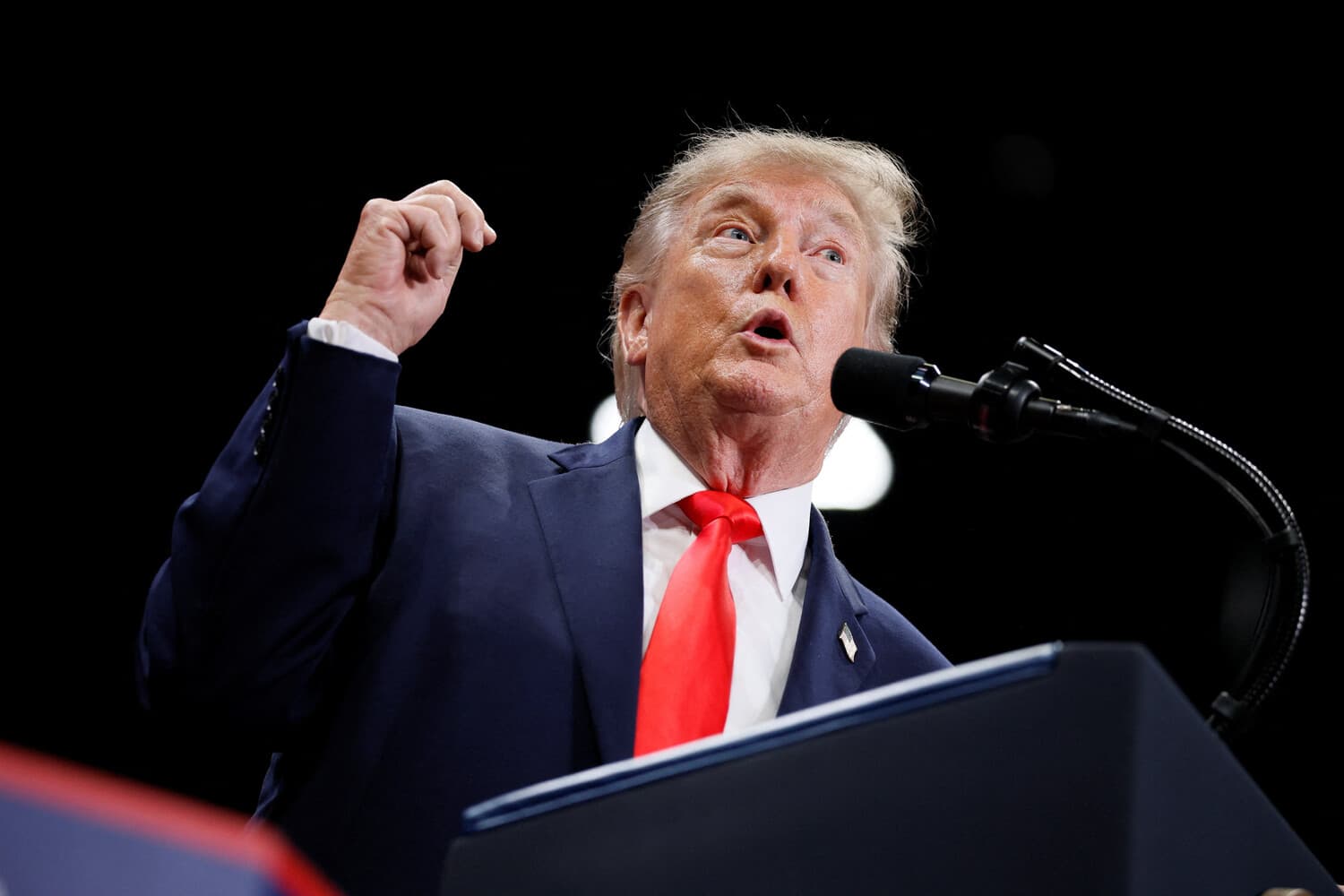
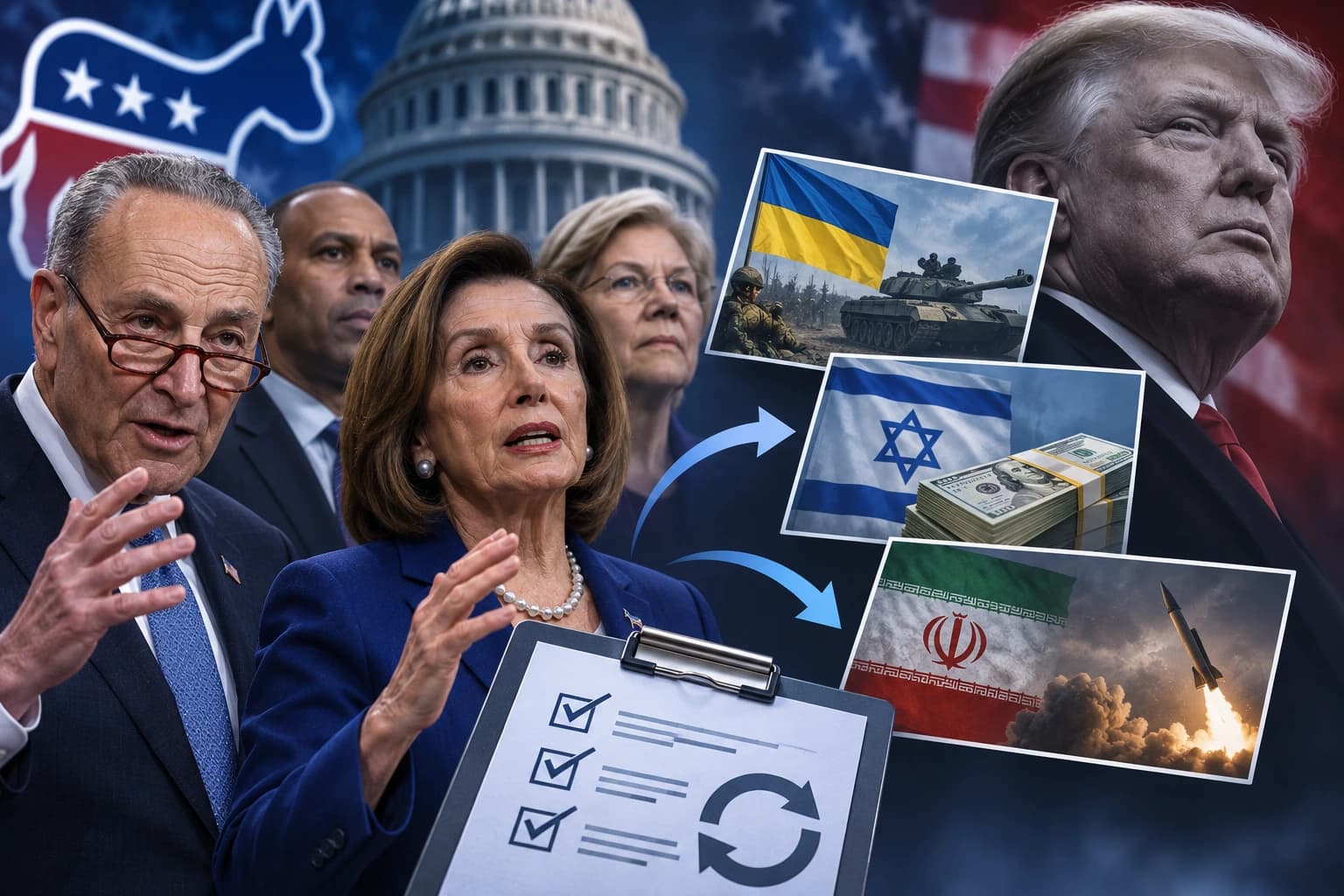
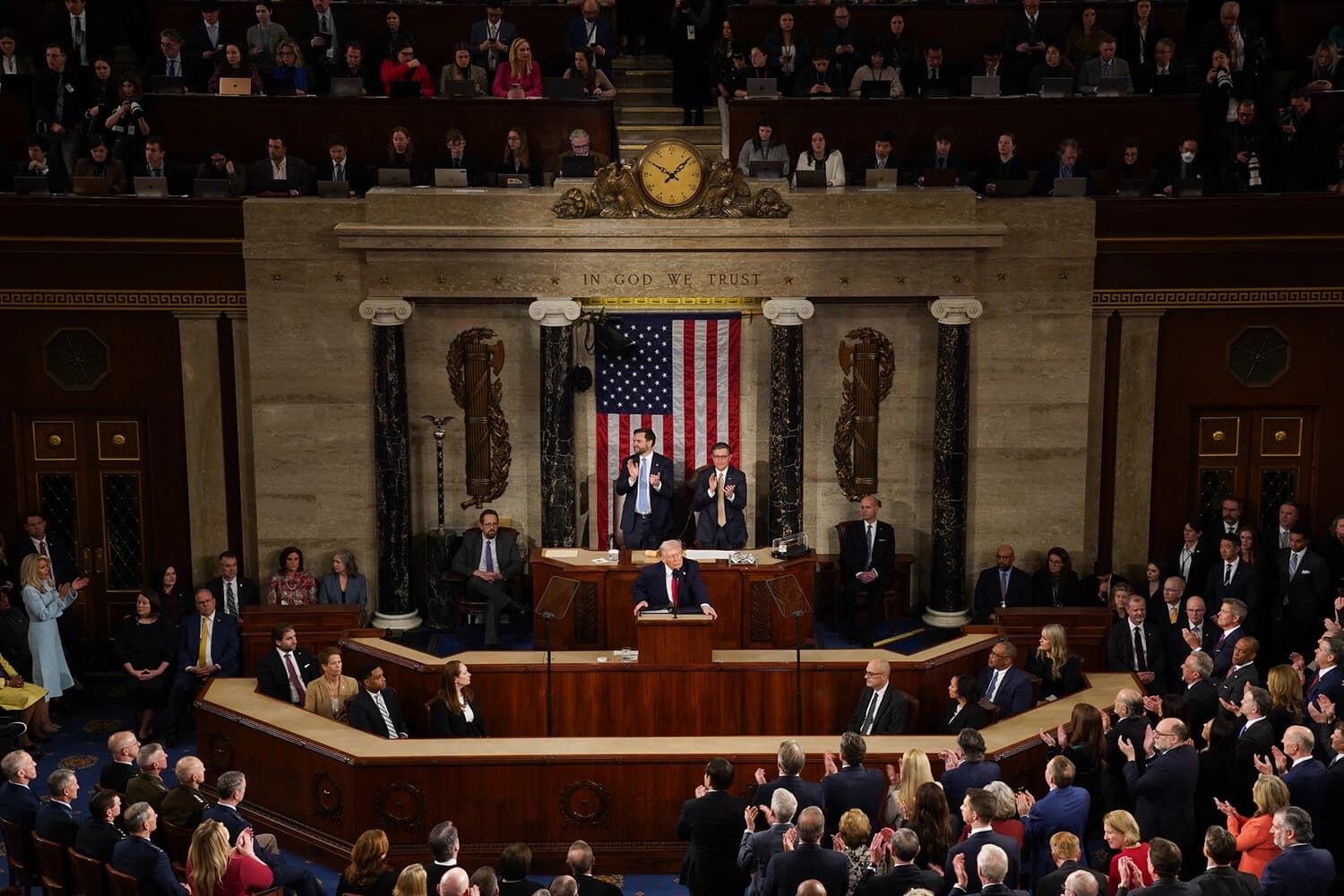
As a result of the midterm elections held on November 3 in the United States, the Democratic Party won a majority in the House of Representatives and thus controls both chambers of Congress. According to Associated Press figures cited by Gazeta.Ru, Democrats took 53 Senate seats against 42 for Republicans, and 221 House seats against 129. The opposition party's victory raises the question of how strongly the legislative branch will be able to adjust President Donald Trump's foreign policy.
What Congress can and cannot do
The Wall Street Journal , citing its own sources, reports that 'a Democratic Congress will have limited influence over his [Trump's] foreign policy, leaving global affairs one of the main areas where he can shape his legacy.' At the same time, according to the outlet, lawmakers retain specific levers: Congress will be able to influence defense funding, including aid to Ukraine, and pass new sanctions laws. The key caveat from WSJ is that most operational decisions on aid and the application of sanctions will still be made by the executive branch — meaning the real room for Democrats lies mainly in budgetary and legislative powers, not in day-to-day foreign policy practice.
Context
The WSJ piece was published amid reports that, according to the press secretary of the Russian president Dmitry Peskov , as of November 4, a new phone call between Vladimir Putin and Trump is not yet planned. Gazeta.Ru also mentioned a Time magazine cover dedicated to Trump. No specific legislative initiatives by Democrats after the election have been reported in the publications so far.