The key facts
- Democrats gained control of both chambers of Congress for the first time as a result of the 2026 midterm elections
- About 30% of voters named the state of democracy the country's main problem, and 70% believed Congress was not sufficiently restraining the president
- Democratic victories in Texas, South Carolina, and Kansas, where the party won a Senate seat for the first time since 1932
Democrats win both chambers of Congress
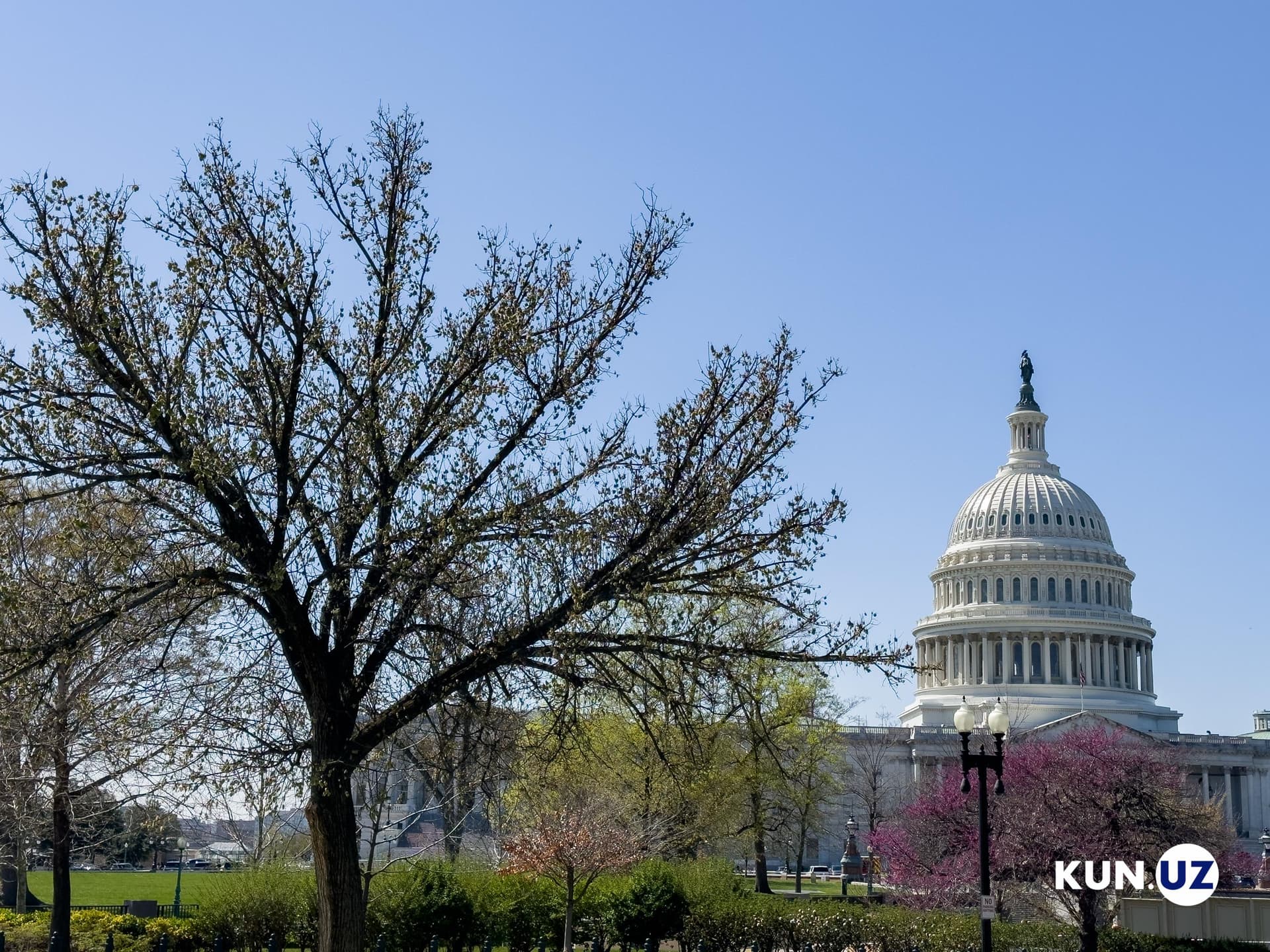
The US midterm elections ended in a notable success for the Democratic Party: it not only achieved significant results but also took control of both chambers of Congress. This is reported by Deutsche Welle in an analysis of five takeaways from the vote. The outlet notes that many voters cast their ballots against Donald Trump's drive to rule without constraints and wanted stronger institutional checks.
A signal in favor of congressional oversight
After the storming of the Capitol, attempts to change election rules, and numerous presidential decrees bypassing Congress, there were fears that American democracy under Trump was turning into an authoritarian system. In DW's assessment, democratic institutions proved more resilient than many had feared. An Associated Press post-election poll showed that about 30% of voters considered the state of democracy the country's main problem, while about 70% believed Congress was not sufficiently restraining the president. The practical significance of the shift in control is that Democrats now approve the budget and can deny the president funding for his initiatives, as well as create investigative committees, forcing the administration to account for its actions. Trump, however, can continue governing by decree, bypassing Congress.
Democratic renewal and a Republican crisis
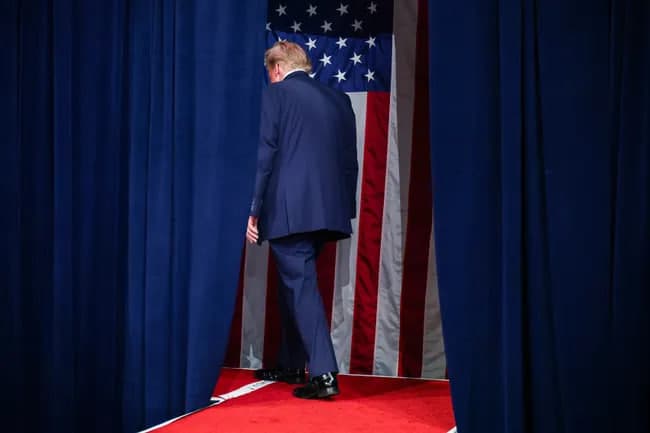
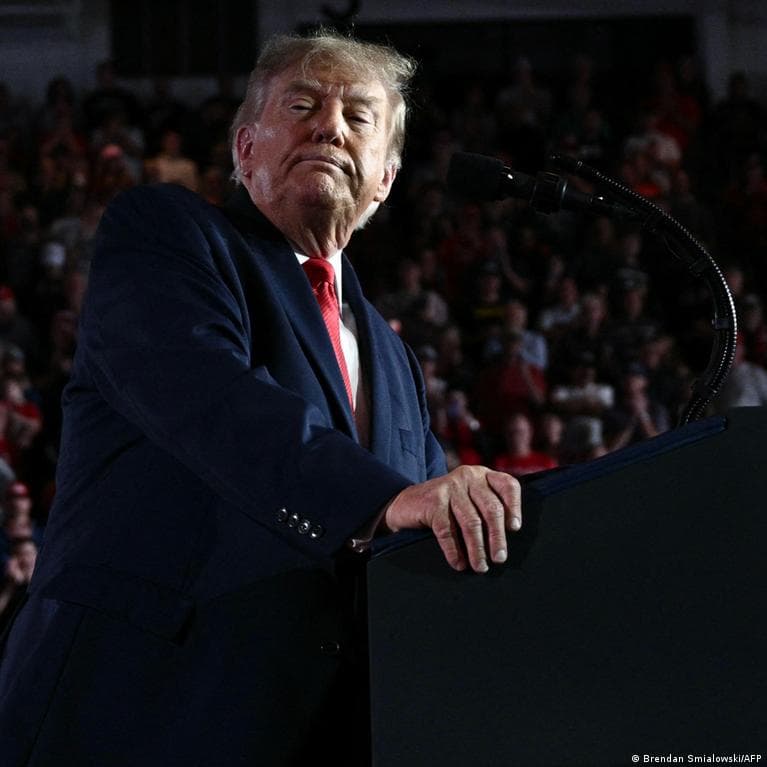
For the Democratic Party, which for a long time lacked convincing leadership and a unified strategy, the result became proof of its political strength. The party won in Republican strongholds — Texas and South Carolina — and in Kansas it won a Senate seat for the first time since 1932. A new generation of Democrats has come to the fore: at least five candidates backed by the more left-wing Democratic Socialists of America (DSA) were elected to the House of Representatives. Brandon Bohrn, an expert at the Bertelsmann Foundation, commented to DW that the claim that such politicians cannot win at the national level has been refuted, and this could spark an intra-party debate about the Democrats' course ahead of the 2028 elections. For the Republicans, by contrast, an internal struggle is brewing: Trump has already stated on Truth Social that he does not consider himself responsible for the defeat, but by law he cannot run for a third term in 2028, and the party will have to decide who will run and on what platform.
Iran and Europe: external consequences
According to DW's assessment, the war against Iran and the economic difficulties it caused, above all rising energy prices, cost the Republicans many votes. This will likely increase internal pressure on Trump toward a long-term agreement with Iran; shortly before the election he announced that he no longer intends to provide Israel with billions of dollars in military aid under a deal that would have expired in two years anyway. For Europe, in the view of Jan Techau, an expert at the German Marshall Fund... wait — the expert cited is Jan Lesser of the German Marshall Fund, who said the election result 'matters greatly across a number of important areas': Democrats will gain more influence over Trump's policy toward NATO, budget decisions and military funding, will be able to complicate the planned reduction of US support and, possibly, resume dialogue and cooperation with Europe, including on climate. At the same time, Lesser warned that tariffs are a difficult issue due to stakeholders in the US, although Congress, in his words, will certainly resist new harsh tariff measures from both sides of the political spectrum.