The key facts
- The education of 258 million school-age children worldwide has been disrupted by crises
- Education aid spending could fall by 24% this year
- Germany has committed to providing 20 million euros per year to the ECW fund for 2027–2031
258 million children out of school due to crises
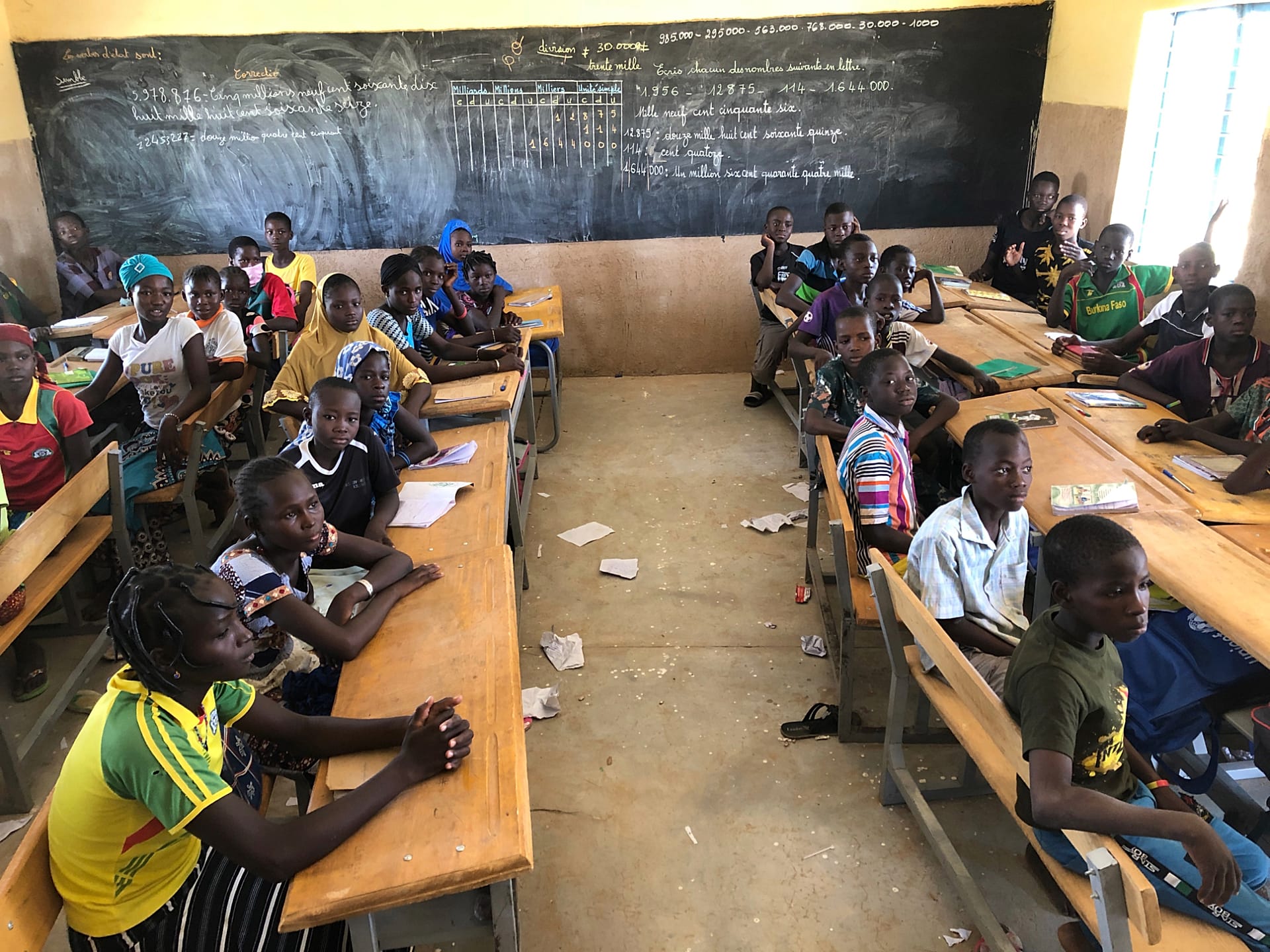
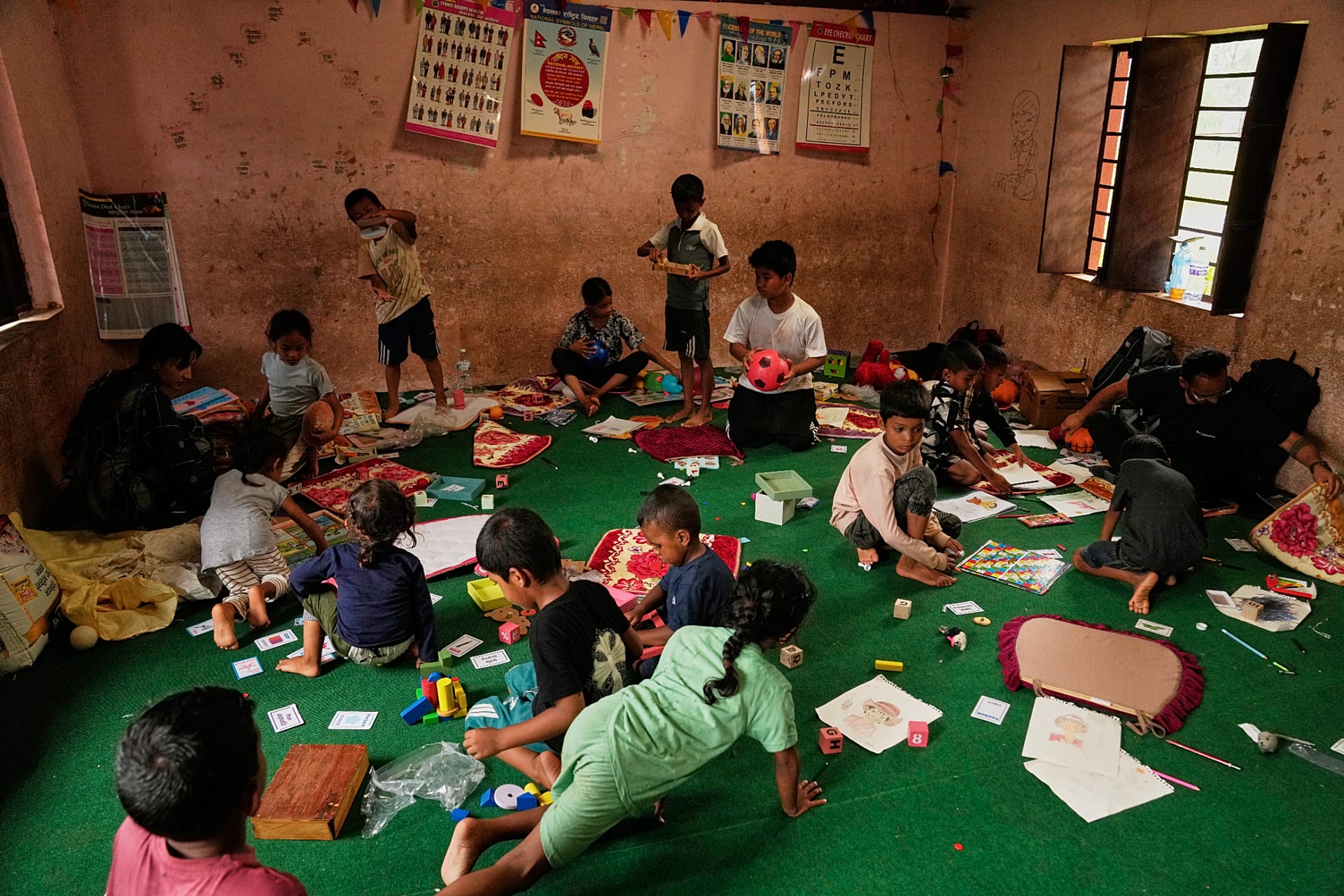
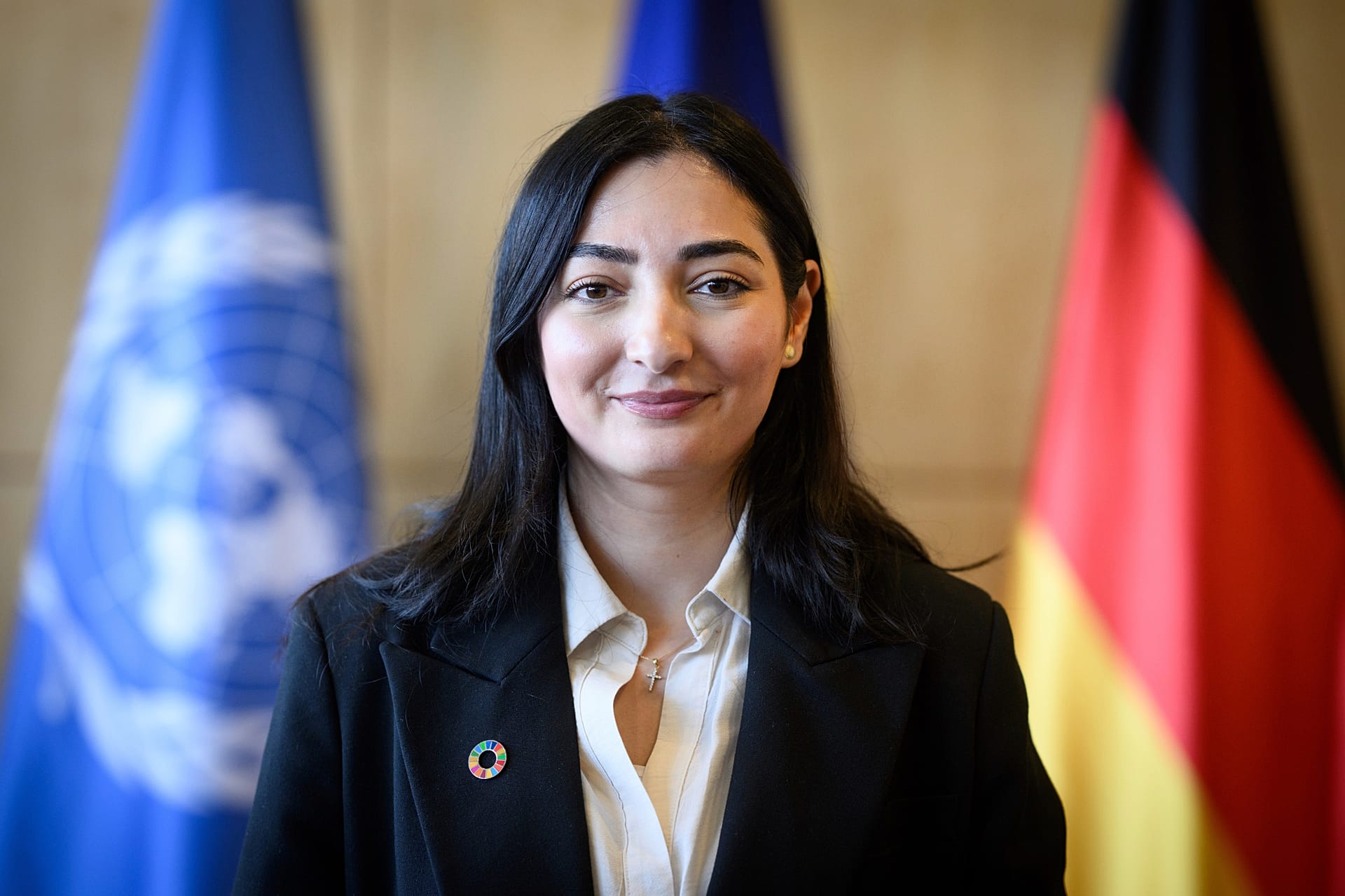
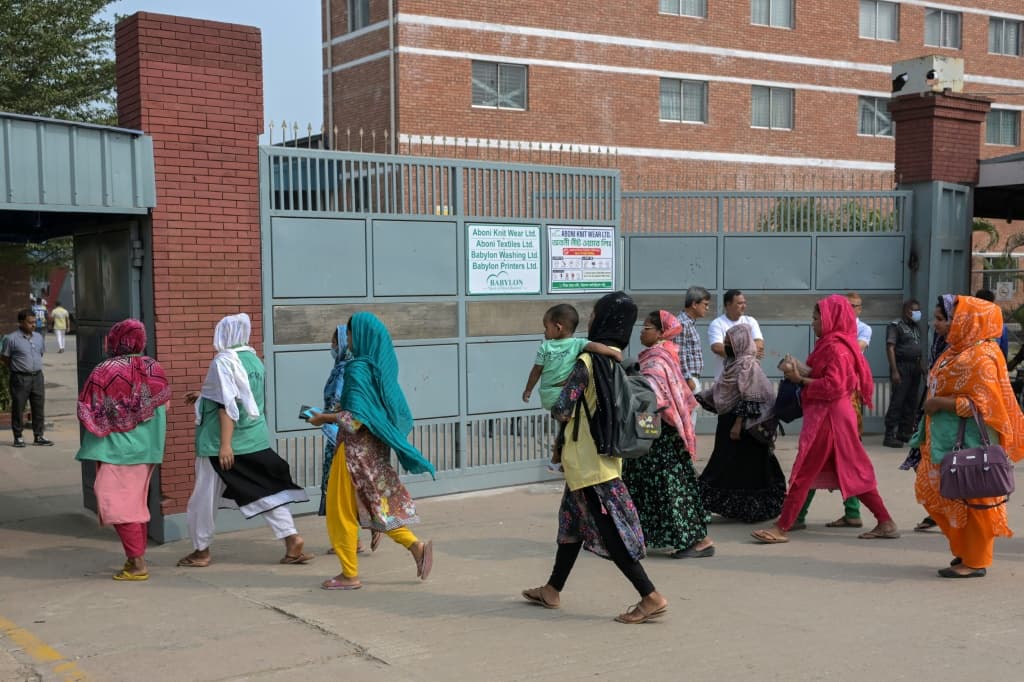
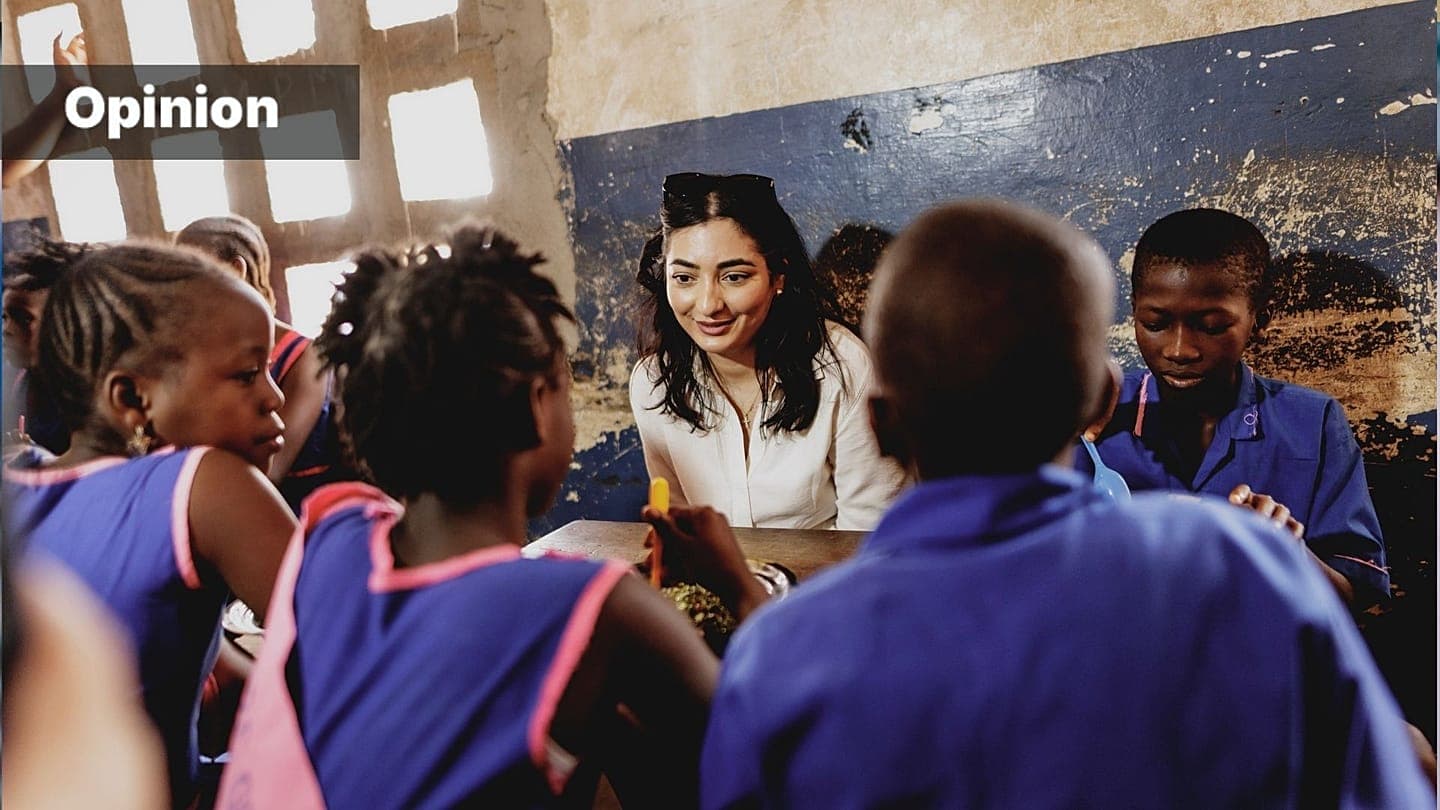
The education of 258 million school-age children worldwide has been disrupted by crises — conflicts and natural disasters. These figures were presented by the German Federal Minister for Economic Cooperation and Development Reem Alabali Radovan, in a column for Euronews. She gave examples: in flood-affected areas of Nepal, children sleep in the very classrooms where they used to study, and in Sudan more than five thousand schools are closed.
Education aid is shrinking
At the same time, according to the minister, global spending on education aid could fall by 24% this year — precisely in those emergency situations where education matters most. Radovan called this 'a political failure before it is a financial one' and warned that children deprived of schooling become more vulnerable to violence, recruitment into armed groups, exploitation and early marriage; girls, in her assessment, are the first to lose access to school and the last to return to it.
The ECW fund and Germany's contribution
The minister named the global fund Education Cannot Wait (ECW) as the central instrument: over more than ten years, it and its partners have provided education to more than 16 million children affected by crises in 33,000 schools, and have trained almost 300,000 teachers, more than half of whom are women. The fund's goal for the next four years is to expand access to education for another 10 million of the most affected children. To this end, ECW aims to raise 600 million dollars, and Germany has committed to contributing 20 million euros per year for the period 2027–2031. Radovan called on G7 and European partners to follow this example, emphasizing that Germany is thereby demonstrating its commitment to multilateral cooperation.
Why school is the first line of aid
The minister's argument boils down to the fact that in a crisis, a school serves not only an educational function: it is a place of safety, nutrition and psychosocial support, and getting children back to learning quickly in the first days after a disaster makes the difference between trauma and recovery. In the long term, Radovan argues, every additional year of education affects literacy, employment and communities' resilience to wars and floods. The minister's position is the author's assessment in the column, not an independent analysis: the publication has the character of a programmatic statement within the fund's campaign.