The key facts
- The wage board agreed to raise the minimum wage in the sector, which accounts for about four-fifths of the country's export earnings
- More than 95% of factories resumed work in Narayanganj, while sporadic actions continued in Gazipur and Ashulia
- Workers are demanding a minimum of 30,000 taka ($240) per month, up from the current 12,500 taka
Factories resumed operations after days of protests
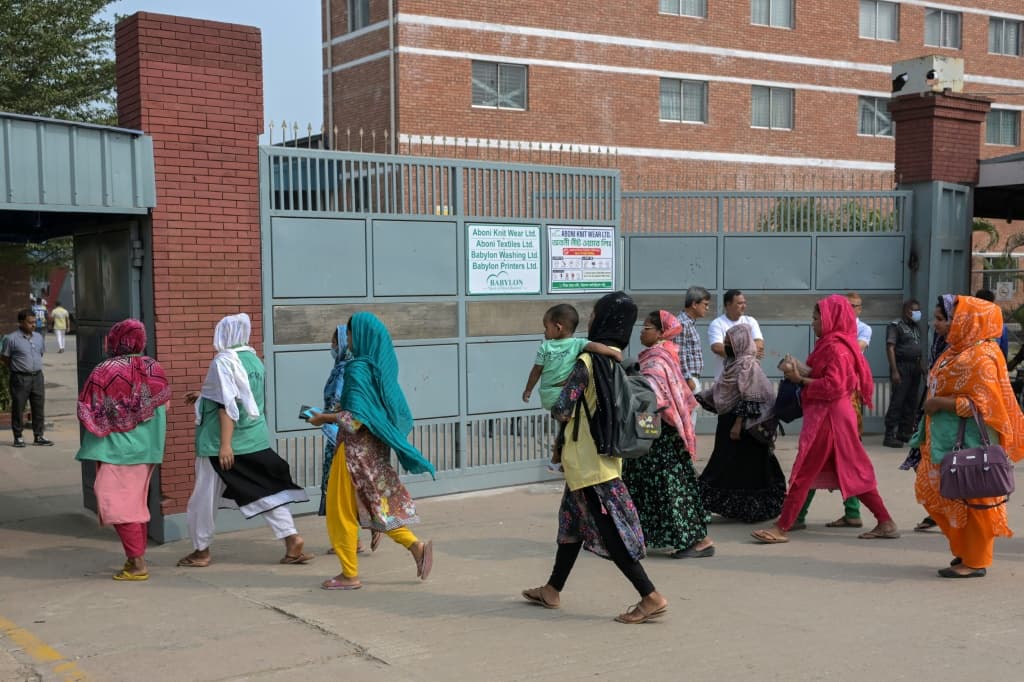
Garment workers in Bangladesh mostly returned to factories on Thursday after several days of protests demanding higher wages, although some facilities remained closed and isolated demonstrations continued, AFP reported. Gazi Jasim Uddin, who heads the police unit for industrial zones,, said protests had sharply declined compared with previous days: more than 95% of garment factories in Narayanganj had resumed work. Meanwhile, sporadic actions persisted in Gazipur and Ashulia, industrial districts near Dhaka: in Ashulia workers left factories an hour after shifts began, while in Gazipur protesters attempted to occupy a highway.
What the wage board agreed on
The wage board, which includes representatives of employers and workers and was set up by the government on Sunday to negotiate a pay increase, agreed on Wednesday to raise the minimum wage in the sector. According to its statement to journalists, the new minimum will be announced in December and take effect in January. Workers are demanding a minimum monthly wage of 30,000 taka (about $240) — a 140% increase over the current 12,500 taka. The sector accounts for about four-fifths of the country's export earnings, worth up to $38 billion, and employs more than four million people; Bangladesh is the world's second-largest garment exporter after China.
Mass rallies took place on the eve of the agreement
On Wednesday, before the deal was announced, tens of thousands of workers marched through industrial areas: some threw bricks, set police vehicles on fire and built barricades, while police dispersed crowds with tear gas. Even after the agreement, the situation remained tense: Monowara, a 35-year-old worker from Gazipur, told AFP that large police forces continued patrolling the area. She was ready to return to work, but her factory had notified workers that it would remain closed until Sunday. According to AFP, the conflict reflects long-standing tensions in the industry, which has been accompanied by complaints over pay, working conditions and workers' rights.