The key facts
- Prime Minister Andy Burnham noted that Trump accepted the midterm election results
- The government links the rising cost of living to the war with Iran and the Strait of Hormuz
- Miliband discussed a diplomatic way out of the conflict with Secretary of State Marco Rubio at the G20 in Atlanta
The Prime Minister's first words after the election
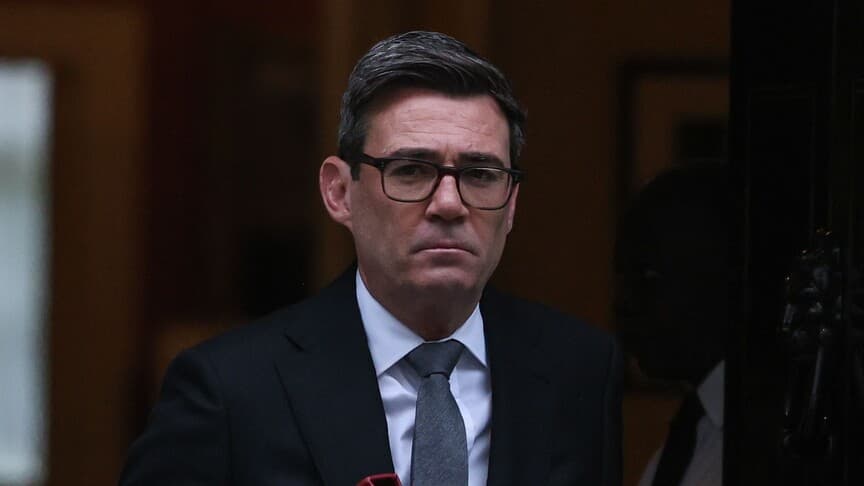
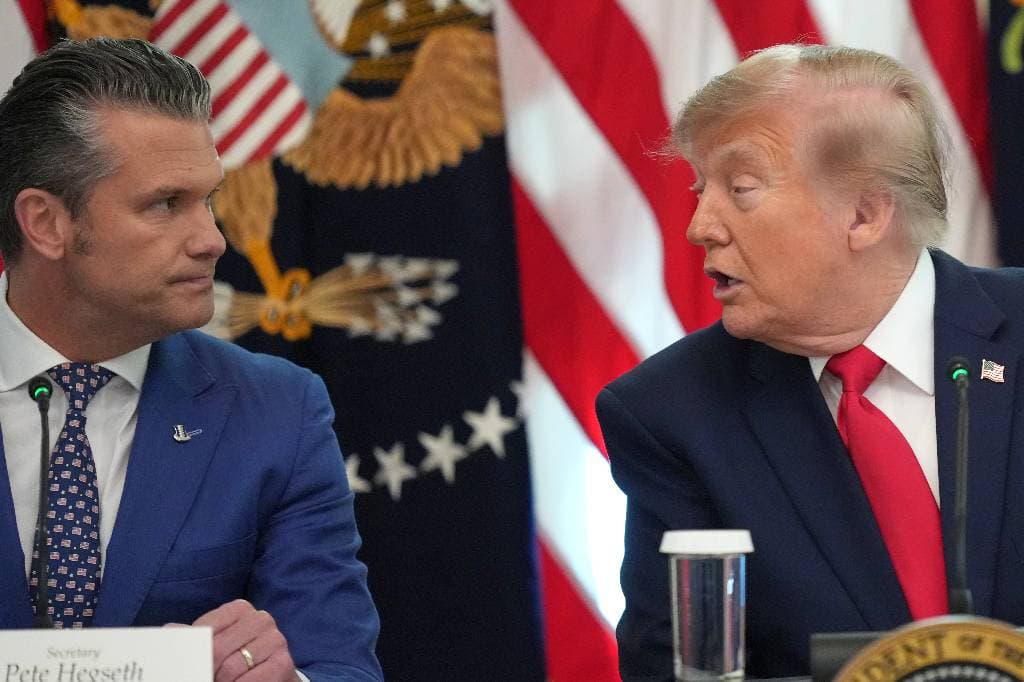
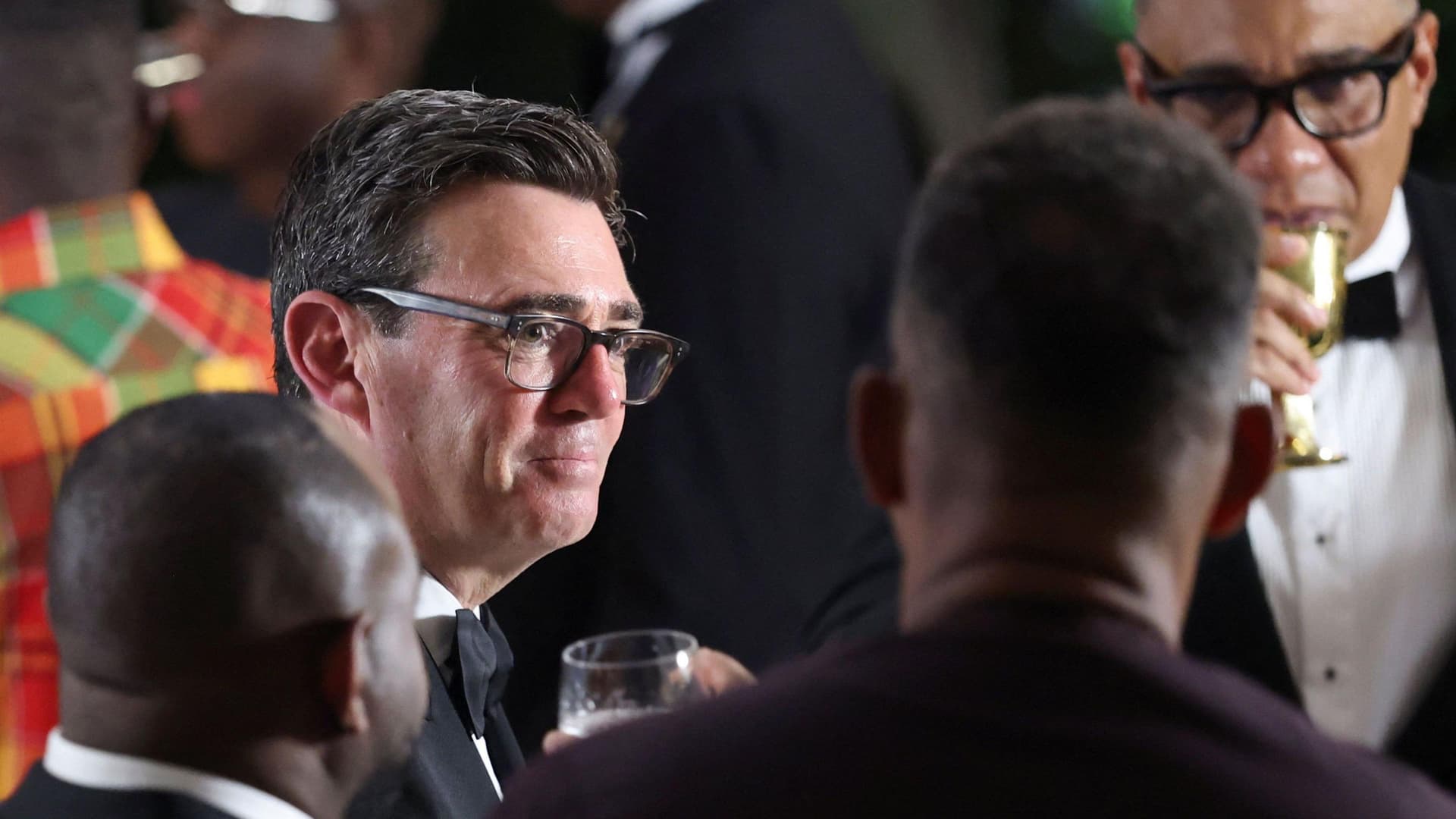
Prime Minister Andy Burnham's first public statement after the US midterm elections concerned the very fact that the results had been accepted: 'President Trump has accepted the results,' he said. As BBC News political editor Chris Masonnotes, British leaders have rarely had to specifically point out that an American president does not contest the outcome of elections in his own country — this was previously taken for granted. According to BBC News, Burnham's relations with Trump have so far been limited to a few phone calls and one in-person meeting at the UN in New York in September.
Cost of living as the main focus
Burnham linked the election results to the domestic economic agenda: 'I feel that the world has an opportunity now to unite around an issue that affects us all — that is the cost of living,' he said, adding that he will not be able to ease the pressure on household budgetsuntil the conflict in the Middle East and the war in Ukraine, started by Russia, are resolved. Within the government, the war with Iran and its consequences, especially for energy prices, are seen as the single largest factor behind the rising cost of living. In a separate piece, the BBC stresses that Trump is now not a story of an extraordinary comeback but a mid-term president, 'punished' for the consequences of a foreign war he had originally promised to avoid.
The Strait of Hormuz and diplomacy
Foreign Secretary Ed Miliband, speaking on the Newscast podcastrecorded before the votes were counted, did not directly answer the question of whether he fears that a humiliated Trump at home will become more belligerent on the international stage. Instead, he said: 'We know that one of the biggest factors in the cost-of-living situation is, frankly, conflict.' According to him, the Strait of Hormuz 'is not closed, but it is not properly open either, not free for shipping,' and this is hitting British families. Miliband said the government is working on a 'diplomatic way out' of the conflict and discussed this with US Secretary of State Marco Rubio at the G20 meeting in Atlanta last week.
Open questions
Chris Mason frames two key questions facing the British government and other US allies: will defeat at home make Trump more aggressive abroad — or, on the contrary, will America's traditional allies, including the UK, the EU, Canada and Australia, become bolder in working with the president's domestic opponents to restrain a weakened leader. The answers to these questions, in the author's assessment, will determine much in world politics in the coming years.
 Image source, Press Association