The key facts
- The wholesale price of Atlantic herring in northwestern Russia has reached 190 rubles per kg — 40.7% higher than a year earlier
- Economist Leonid Kholod sees an alternative in Far Eastern herring, but predicts it will also rise in price
- According to the expert's estimate, prices for both types will overall rise by 25–30%
Sharp rise in Atlantic herring prices
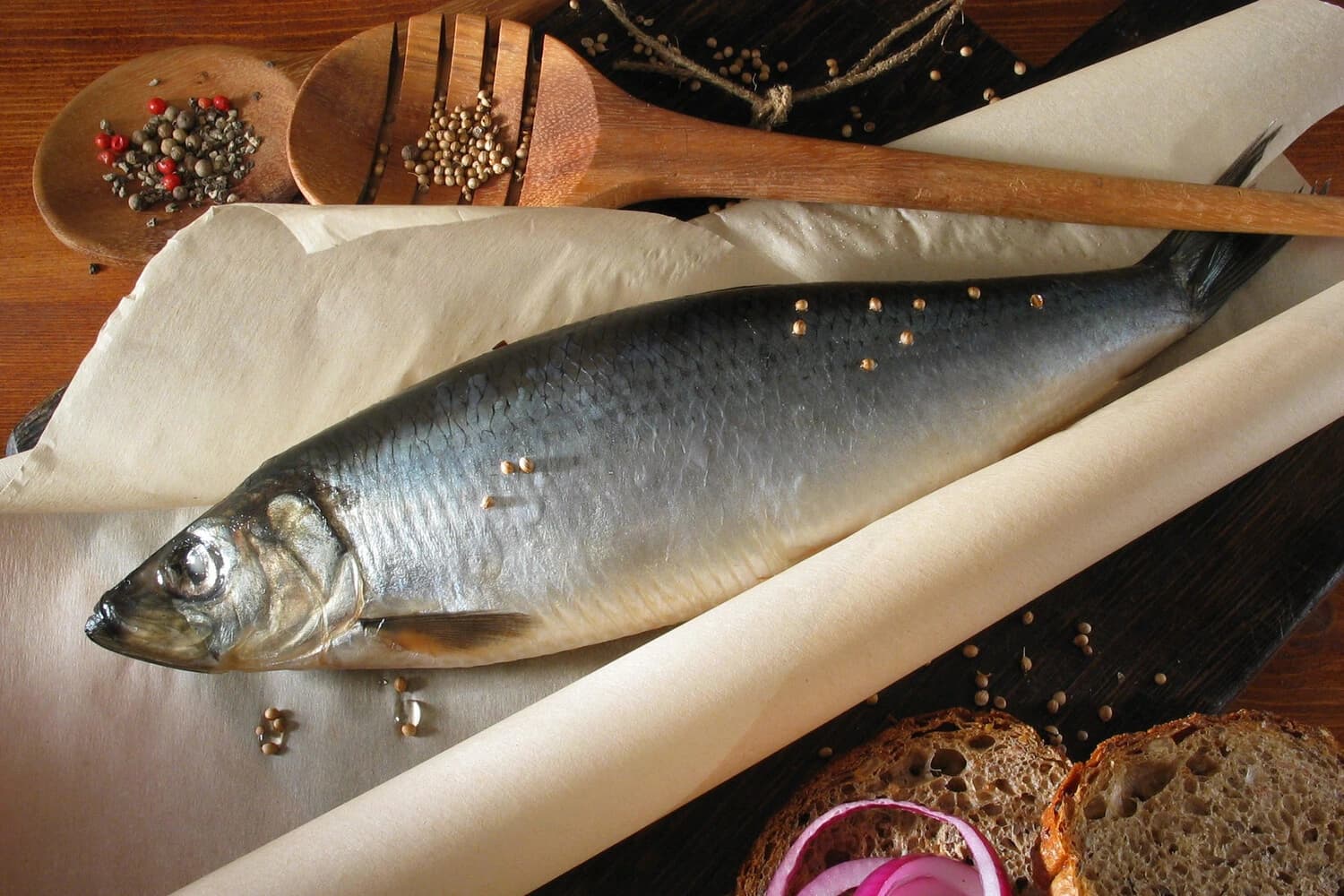
By November 2, the average wholesale price of Atlantic herring in northwestern Russia reached 190 rubles per kilogram — 40.7% higher than a year earlier and 37.7% higher than at the beginning of 2026. The noticeable rise began in September. Economist Leonid Kholod told Life.ru about the price increase and possible substitutes for the more expensive fish — economist Leonid Kholod, speaking to Life.ru.
Reasons for the price increase, according to the expert
Officially, the price rise is explained by underfishing: less catch means less supply. However, Kholod believes the cause is more likely the new European regulations on cod and herring fishing in the North and Barents Seas and the North Atlantic. He rates inflation as a modest factor — 'about seven percent, no more.' At the same time, logistics from the northern basin remain simple: the fish is loaded in Murmansk, and a railcar quickly arrives in St. Petersburg or Moscow.
The Far Eastern substitute is also getting more expensive
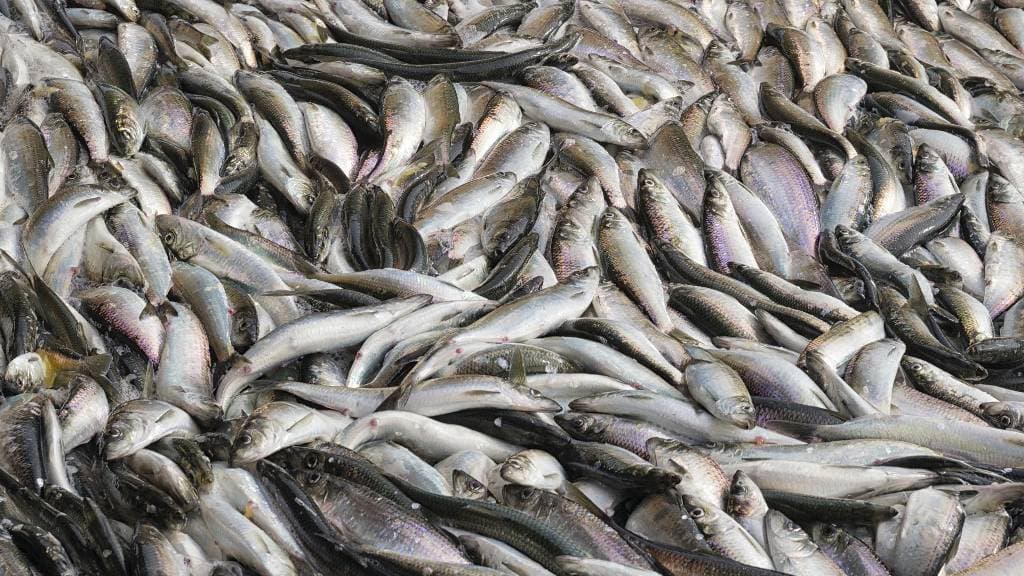
The expert named Far Eastern herring as an alternative to Atlantic herring: with high quality, it is larger, no inferior in taste, and, in his words, not all herring lovers can tell them apart right away. Olyutor herring from the northern Sea of Okhotsk and the Bering Sea stands apart — it is firmer and fattier. But the substitution promises no savings: Far Eastern herring is also rising in price, and logistics across the entire country are expensive. Additional pressure comes from pollock — the staple fish of the Far Eastern assortment — which has risen in price due to strong demand from China amid underfishing; this has pushed up other species as well, including Far Eastern herring.
Forecast: price growth will even out
Since Atlantic and Far Eastern herring are interchangeable, Kholod expects the overall price increase to be 'averaged out' — around 25–30%. In the Far East, the rise will be smaller than in the European part, since logistics there add less to the price than in the west of the country. This is the expert's assessment, not a confirmed market forecast.