The key facts
- In July, ten landmarks of Tashkent modernism were inscribed on the UNESCO World Heritage List; conservation roadmaps are being prepared for them.
- UNESCO does not protect buildings directly: the country must manage the sites itself according to the submitted plan.
- Of more than 40 surveyed buildings, 24 were selected; separate conservation strategies were developed for 15.
From the demolition of the Cinema House to the UNESCO list
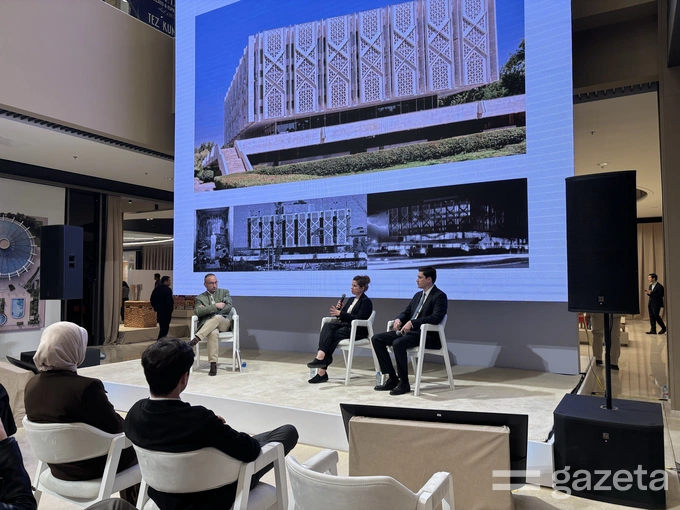
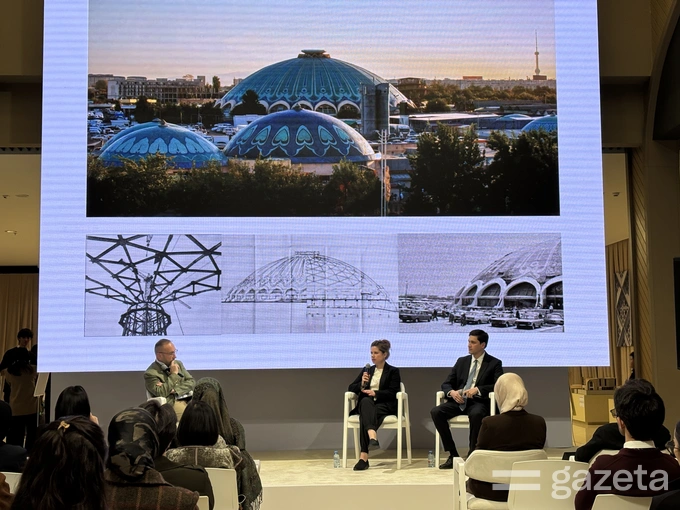
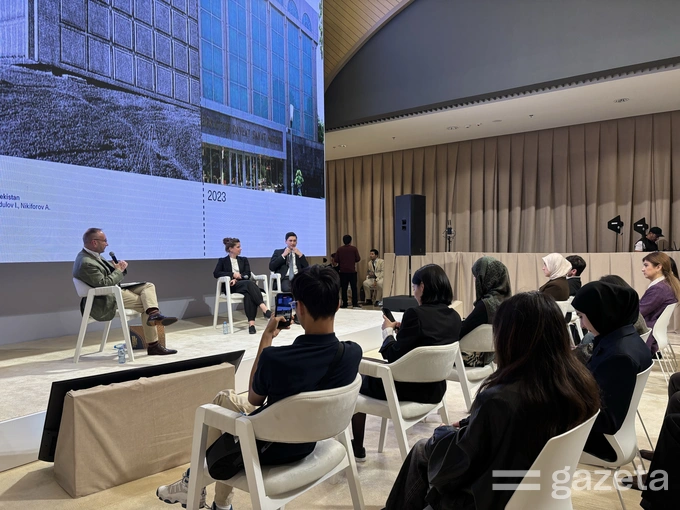
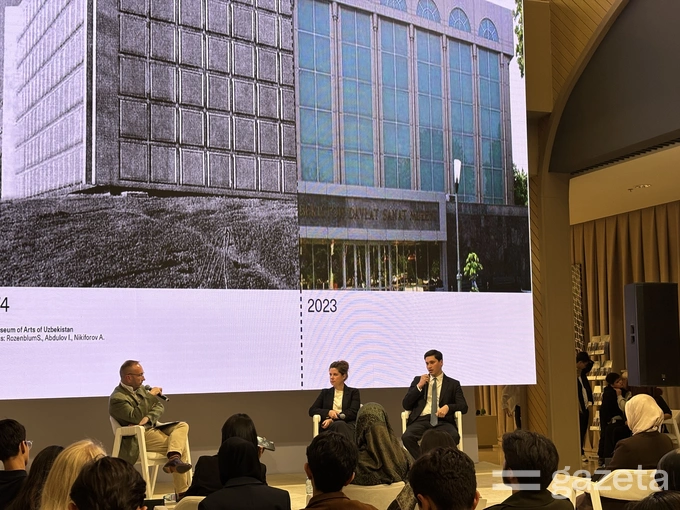
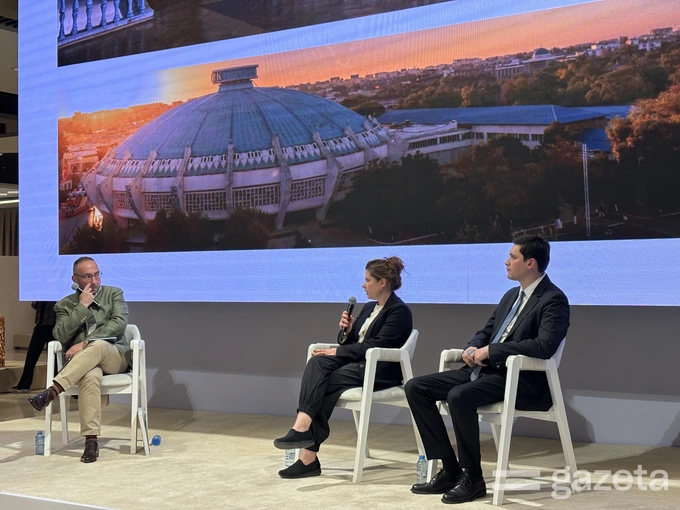
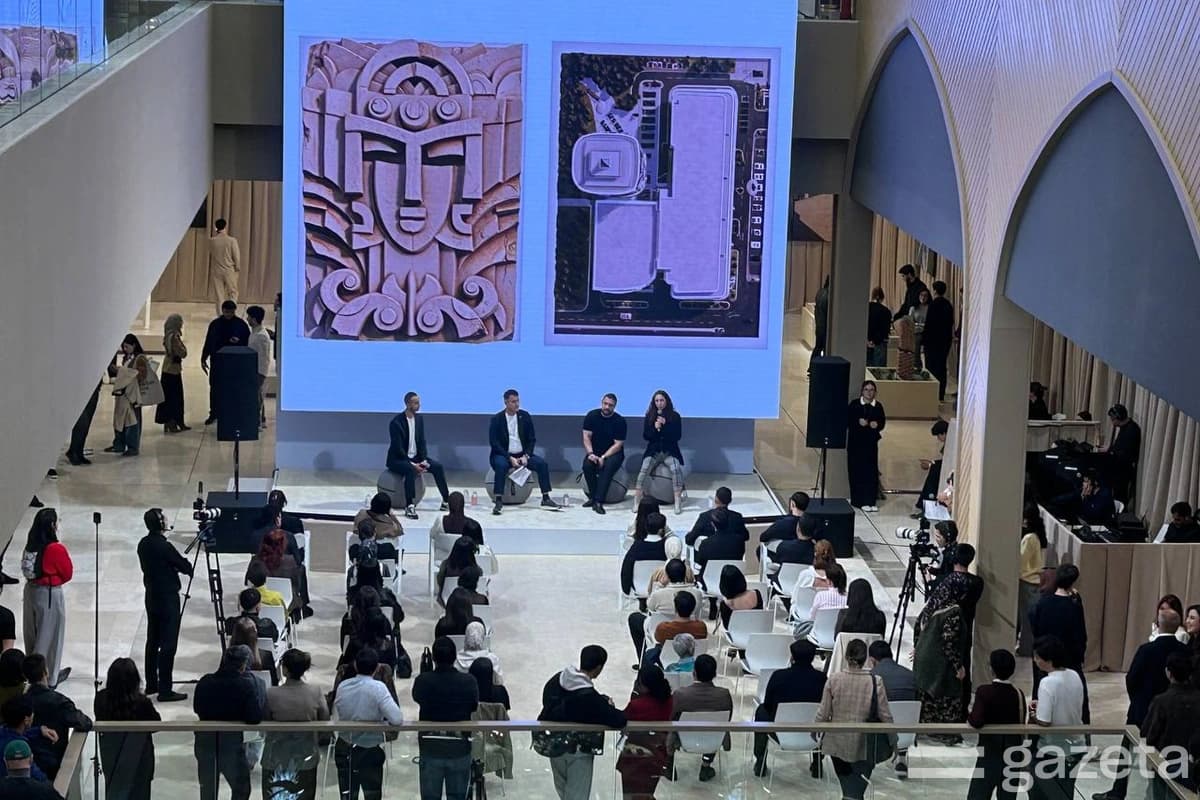
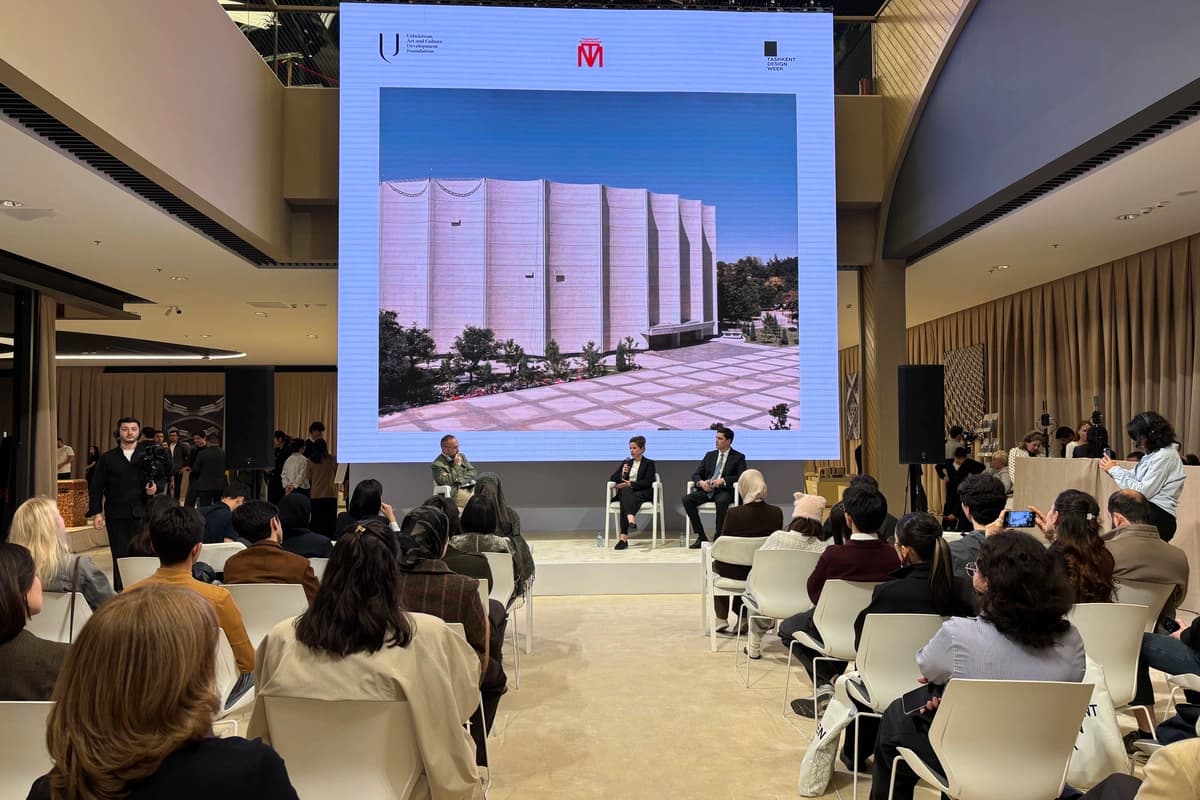
In July, ten landmarks of Tashkent modernism were inscribed on the UNESCO World Heritage List. At Tashkent Design Week, architect Ksenia Bisti of the Italian studio GRACE and Deputy Chairman of the Uzbekistan Foundation for the Development of Culture and Art Saidaziz Ishankhodjaev discussed how the nomination was prepared and what international status means for the buildings themselves; the discussion was moderated by design and cultural strategy expert Cyril Zammit. The report was published by Gazeta.
How the buildings were selected
According to Bisti, the demolition of the Cinema House in 2017 drew particular attention to the issue: the public reaction showed that many people view 20th-century architecture as part of shared history. The research team compiled a list of modernist buildings — initially more than 40 sites — assessing the condition, integrity and authenticity of each. After the survey, 24 buildings were selected for further work; a dossier with archival materials and a statement of significance was prepared for each, and separate conservation strategies were developed for 15 sites.
Preservation without turning buildings into museums
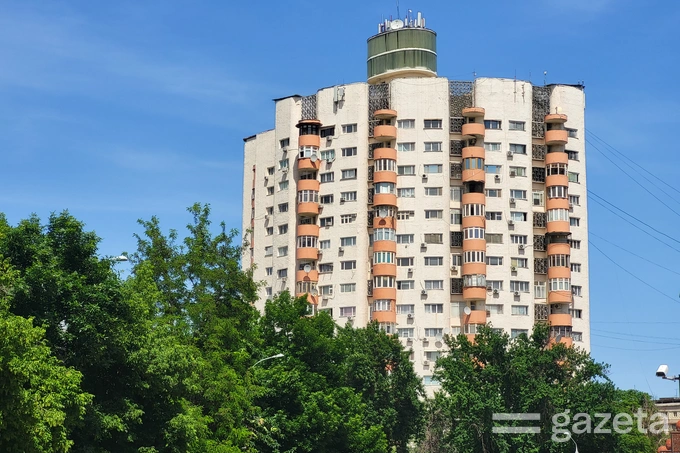
Experts stress that heritage protection does not mean restoring a building to its original appearance and banning all changes. The Panorama cinema (Palace of National Cinema Art), in Bisti's assessment, can be restored almost without changes, while for the Zhemchug (Pearl) residential building it was proposed to preserve part of the exterior without touching the apartments that residents have adapted to their needs. As for air conditioners on the facades, she said, some elements can be replaced after approval from the heritage protection authority — but if an air conditioner disrupts the building's appearance, residents should be offered an alternative ventilation system.
The example of the State Museum of Arts
Ishankhodjaev spoke about work with the State Museum of Arts of Uzbekistan: the original facade, he said, has survived beneath the cladding panels, which are now being studied for possible removal. The facade protected the interior spaces from the sun, so it is important to understand how it functioned rather than simply restore the building's former look. The translucent fiberglass panels, which have aged poorly, will not be recreated. After the museum moves to new premises, the building may become a public space; one possible option is a museum of architecture. He also noted that after the 1966 earthquake, invited architects used local materials and craft traditions, so materials for restoration can still be found today.
What UNESCO status gives and what it does not
International recognition does not replace national protection: before submitting the nomination, the state included the buildings in the national heritage list and presented a management plan. “UNESCO does not take on the direct protection of buildings. It provides recognition and draws attention to them,” Bisti explained. The nomination itself was prepared by colleagues from the Polytechnic University of Milan; the research used the principles of the 1979 ICOMOS Burra Charter. The nomination was serial: ten sites of different purposes — residential buildings, museums, a market, the metro, cultural institutions and a scientific complex — show how the city and society changed in the 1960s–1980s. Conservation roadmaps will be prepared for all ten, defining how to bring the buildings into good condition without depriving them of their contemporary function. This, according to Bisti, is a particularly difficult task: new materials and facade systems were used in construction, and ready-made solutions for their restoration often do not exist.