The key facts
- The annual average PM2.5 concentration in Tashkent is more than six times the WHO guideline (World Bank estimate, 2024)
- Heating accounts for 28% of anthropogenic PM2.5 emissions, transport for 16%, industry for 13%
- The 'Clean Air' program (2026–2030) aims to cut total emissions by 10.5% and transport emissions by 10%
Different countries — different sources of pollution
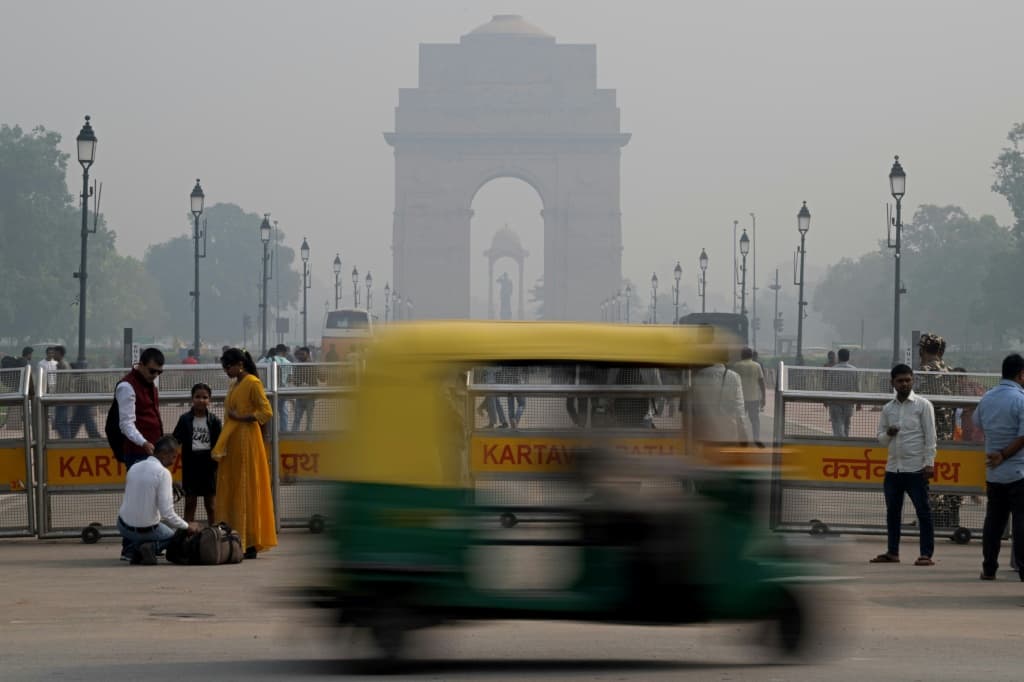
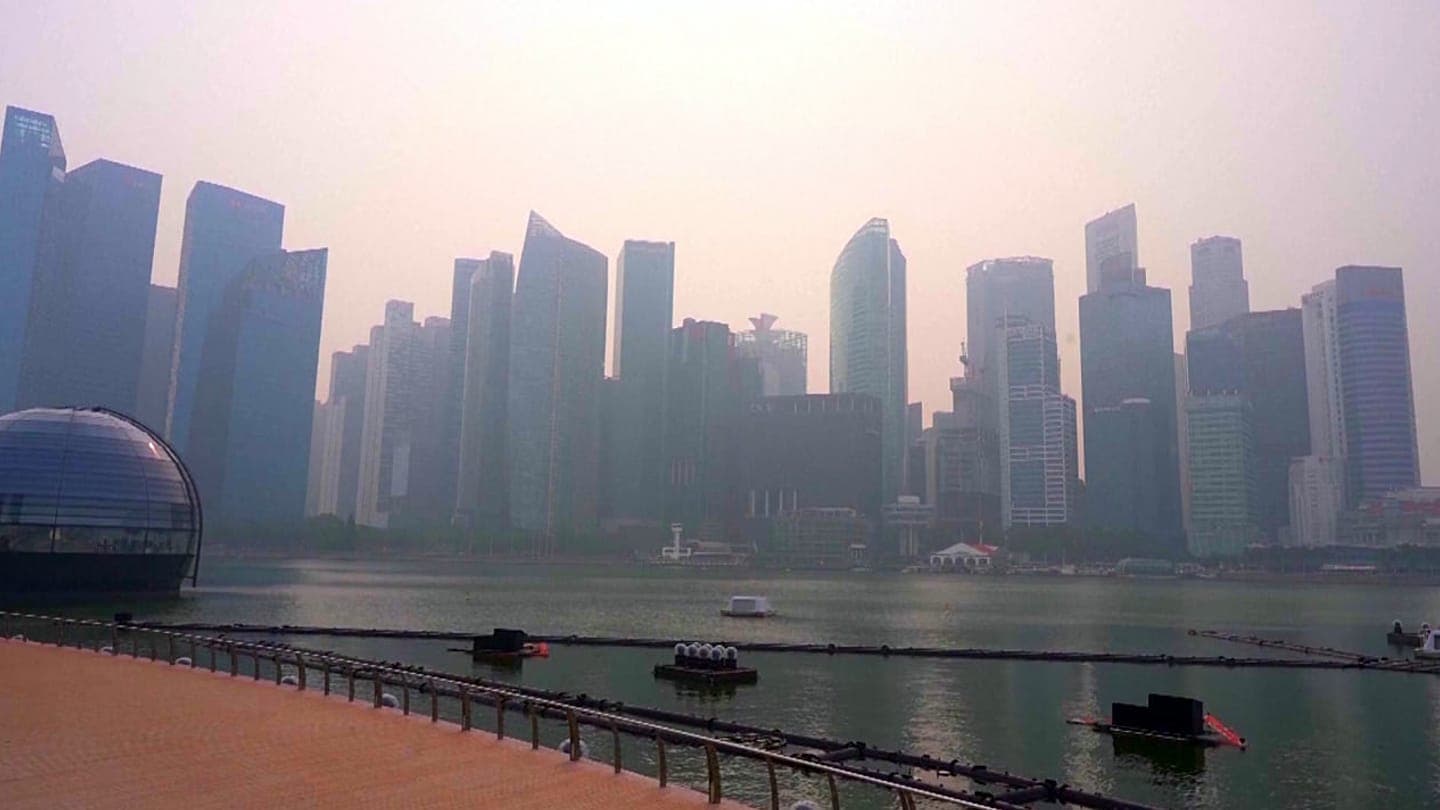
Air pollution remains one of the largest environmental risks to health: according to WHO estimates, it was linked to 4.2 million premature deaths in 2019, and fine particulate matter PM2.5 is associated with cardiovascular and respiratory diseases as well as certain types of cancer. In a Euronews report dedicated to the fight against air pollution, two different approaches are compared: in Turkey the focus is on ship emissions along densely populated coastlines, where shipbuilders are already deploying fully electric tugs, while in Uzbekistan it is on a combination of heating, transport and industry, compounded by dust and weather.
What pollutes the air of Tashkent
According to a 2024 World Bank study, the annual average PM2.5 concentration in Tashkent was more than six times higher than the WHO-recommended level. These particles, no more than 2.5 micrometers in diameter, can penetrate deep into the lungs and enter the bloodstream. According to the World Bank's estimate, among anthropogenic sources, heating accounts for about 28% of the annual average PM2.5 concentration, transport for 16%, and industry for 13%. The ratio changes with the seasons: in winter the role of heating grows, in summer wind-blown dust can become one of the main sources, while construction dust and road particles add an extra burden.
Weather and emission control
Weather conditions also affect pollutant concentrations. 'On windless days and during temperature inversions, higher pollution levels may be recorded,' explained Khojiakbar Adilov, chief specialist at Uzhydromet. This means that the same volume of emissions does not always produce the same air quality. Part of the pollutants is captured at enterprises: at the UzAuto Motors Powertrain engine plant in Tashkent, according to environmental safety manager Ozoda Shorustamova, dry and wet scrubbers and bag filters are used, along with an automated continuous dust emission monitoring station.
The 'Clean Air' program and forecasts
In March, Uzbekistan launched the national 'Clean Air' program for 2026–2030. Its stated goals are to reduce total emissions by 10.5% and transport emissions by 10% by the end of the decade, as well as to introduce automatic monitoring and dust-and-gas cleaning equipment at enterprises with a higher environmental impact. At the same time, as Euronews notes, meeting the emission targets does not necessarily mean a proportional reduction in air concentrations due to wind, natural dust and other uncontrolled factors.
From measurements to forecasts
Uzhydromet uses stationary stations and mobile laboratories that make it possible to measure pollutants simultaneously with weather conditions. According to Alisher Khudoyberdiyev, a specialist at the National Committee for Ecology and Climate Change, monitoring equipment has been installed at approximately 600 industrial enterprises. Uzbek and foreign specialists, he said, are developing a system for forecasting air quality in major cities several hours ahead: the more observation points there are, the more local data is available for calculations. For residents, this means that in the future they will be able to learn not only about the current state of the air, but also about how it will change in the coming hours.