The key facts
- More than 29 million registered voters are choosing the composition of 8 major cities, 44 district municipalities and 205 local municipalities
- Polls predict the ANC will fall below 40% after a result of less than 50% in 2021
- In Johannesburg the DA has nominated Helen Zille as mayoral candidate; in Durban, Jacob Zuma's MK party poses a strong challenge
The vote and its scale
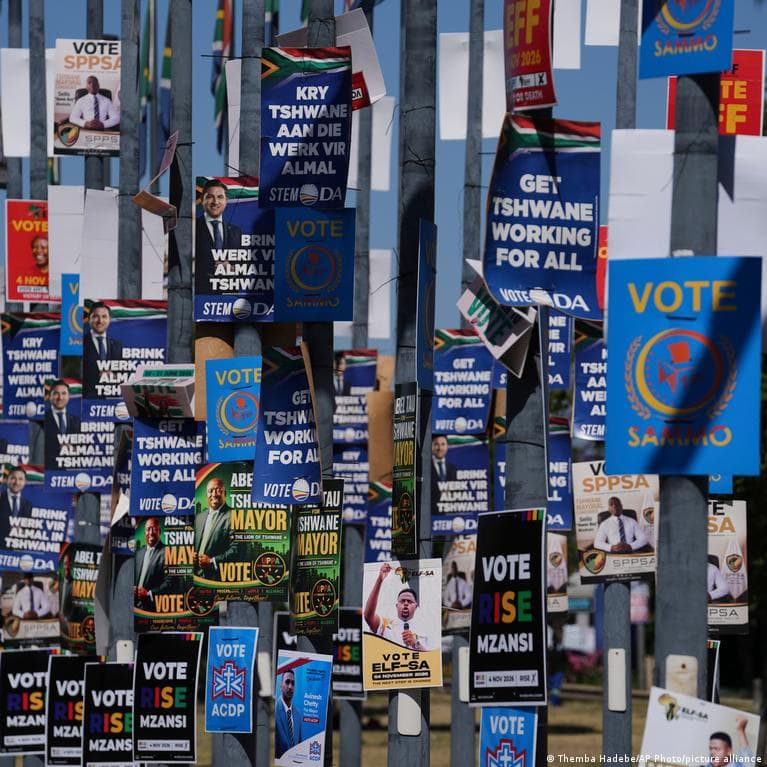
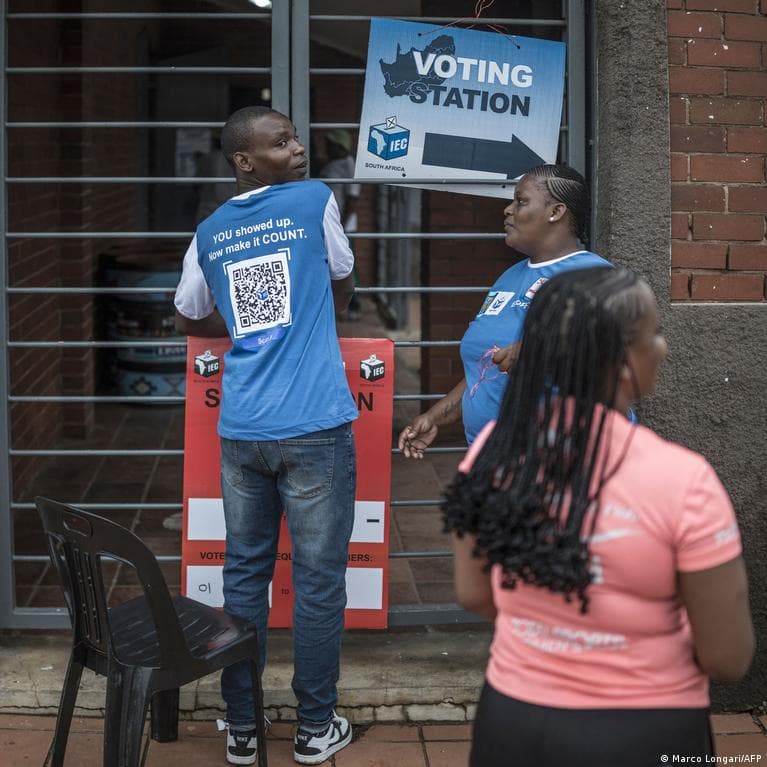
Voting began on Wednesday in South Africa's municipal elections, which could bring new losses to the ruling African National Congress. Voters are determining the composition of councils, which will then form administrations and choose mayors for the country's eight major cities, 44 district municipalities and 205 local councils. More than 29 million voters are registered, though fewer than half of them voted in the previous local elections in 2021. Polls close at 21:00 local time, with results expected on Sunday.
The ANC's declining popularity
Nelson Mandela's party, which has governed the country since the end of apartheid, has been losing support over the past decade: in 2021 it received less than 50% of the vote in local elections for the first time, and polls suggest it could fall below 40% this time. According to Deutsche Welle, the vote is taking place amid growing discontent over water and electricity supply disruptions, high crime rates, unemployment, a shortage of affordable housing, and in some campaigns a notable role was played by concerns about illegal migration. President Cyril Ramaphosa acknowledged his party's failures, noting that 'municipal failures have undermined trust in democratic governance,' but expressed optimism: 'These elections are an opportunity to change everything.'
Key battleground cities
The main arena of the contest has become Johannesburg — the country's economic hub, currently governed by a fragile coalition led by the ANC; polls suggest the second-largest party, the liberal Democratic Alliance, could take first place there. The DA has nominated former national leader Helen Zille as its mayoral candidate and is expected to retain control of Cape Town. Attention is also focused on Tshwane, home to the administrative capital Pretoria, and the port city of Durban, where former president Jacob Zuma's MK party poses a strong challenge.
What the elections show
The vote is seen as an indicator of public sentiment ahead of the 2029 national elections. The context matters: in the 2024 national elections, the ANC lost the parliamentary majority it had held for 30 years and was forced to form a coalition with the DA and several other parties. According to Deutsche Welle, a further weakening of the party's position at the local level could result in several cities being run by unstable coalitions.