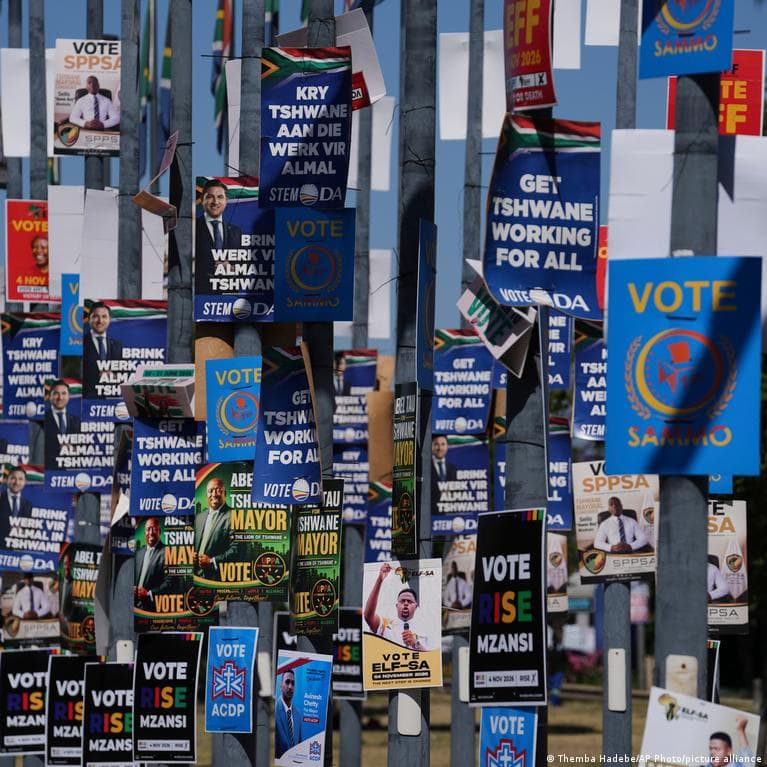
The key facts
- More than 500 parties are taking part in South Africa's local elections on 4 November; voters are choosing the leaders of nearly 300 municipalities
- An Ipsos poll gives the ANC 30% versus 46% in the last local elections in 2021, and the DA 25% versus 22%
- An Ipsos poll gives the ANC 30%, down from 46% in the last local elections in 2021, and the DA 25%, up from 22%
- Of 257 municipalities, only 39 received a 'clean audit' for 2024–2025; none of Gauteng's three metropolitan municipalities made the list
- Of 257 municipalities, only 39 received a clean audit for 2024–2025; none of the three Gauteng metros made the list
Elections as a test for the ANC
On 4 November, local elections are taking place in South Africa, with more than 500 political parties taking part. Voters are choosing the leaders of nearly 300 municipalities across the country, which are responsible for basic services — water supply, electricity and waste collection. For the ruling African National Congress (ANC), this is a chance to prove that it retains the ability to govern: in the last national elections, the party lost its parliamentary majority for the first time since 1994, when the apartheid era ended. Support for the ANC is falling amid discontent over corruption, unemployment and crime: in 2004 the party received 70% of the vote, and two decades later — 40%. President Cyril Ramaphosa, however, rejects the notion of a 'downward spiral': at the final rally on Sunday, he declared that 'the ANC is rising higher and higher' and that on 4 November the party will 'show the sceptics'. This is reported by BBC News.
Townships: a contrast with the richest square in Africa
BBC correspondent Khanyisile Ngcobo visited the township of Alexandra north-east of Johannesburg — a traditional ANC stronghold located a few steps from Sandton, 'the richest square kilometre in Africa'. In Alexandra, the correspondent describes piles of rubbish, the smell of untreated sewage and roads riddled with potholes, through which water from drains flows. Eighteen-year-old first-year student and voter Sanele Ntombela is going to vote for the first time, hoping for change: 'There are many problems in Alexandra — rubbish everywhere, we struggle with electricity and water.' Most of his friends, according to them, did not register and do not intend to vote. Zandile Mncube, 33, is registered but will not vote: 'There is no difference at all. Over the years everything has got worse.' In Soweto, which looks somewhat cleaner, 45-year-old Mduduzi Mahlangu describes regular outages: 'Every Monday we know that after two in the afternoon there will be no water' — and intends to vote to change the 'arrogance' of local leaders.
The state of municipalities and forecasts
Alexandra's problems are not unique: years of reports by the auditor-general record the dire state of most of South Africa's 257 municipalities. According to the latest report for 2024–2025, only 39 of them received a 'clean audit' — the highest rating for a public institution; none of the three metropolitan municipalities of Gauteng province — Johannesburg, Tshwane and Ekurhuleni — made the list. Auditor-General Tsakani Maluleke previously told legislators that Johannesburg 'needs constant attention', otherwise the city's financial health will deteriorate. The city is described as 'effectively bankrupt'. According to an Ipsos poll, ANC support in these elections will be 30% compared with 46% in the last local elections in 2021, while the Democratic Alliance (DA) could grow from 22% to 25%, especially in Johannesburg, where DA leader Helen Zille is running for mayor — her campaign, featuring swims in giant road potholes, attracted a lot of attention. Political scientist Melanie Verwoerd predicts the ANC's 'worst result in history' and the continuation of coalition governance in Gauteng, where all three metropolitan municipalities are already run by coalitions; analyst Levy Ndou also considers a DA–ANC coalition in most metropolitan areas 'inevitable'. In eThekwini (Durban), Jacob Zuma's MK party is expected to hold strong positions, but, according to polls, it will fall short of an absolute majority, and it refuses to cooperate with either the ANC or the DA. The electoral commission must announce the results within seven days, and the parties will have 14 days to form governing bodies.
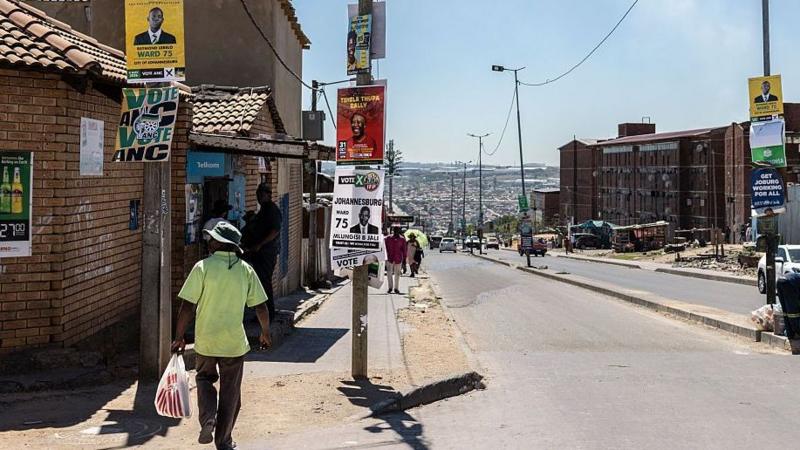 Image source, AFP via Getty Images
More than 500 parties are contesting the elections
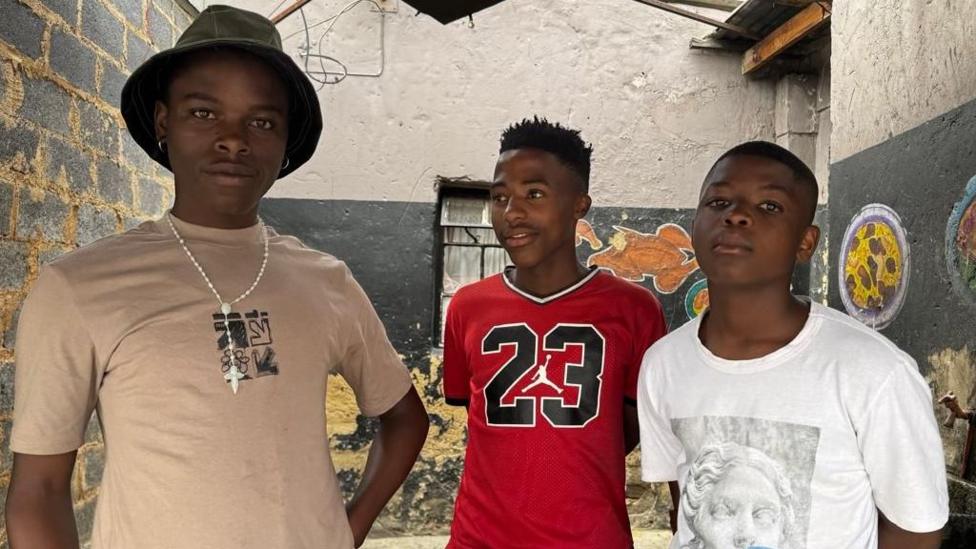 Image source, Khanyisile Ngcobo/BBC
Sanele Ntombela (left), seen here with his friends Tshiamo Mbange (centre) and Lwandle Dladla, is excited to cast his vote
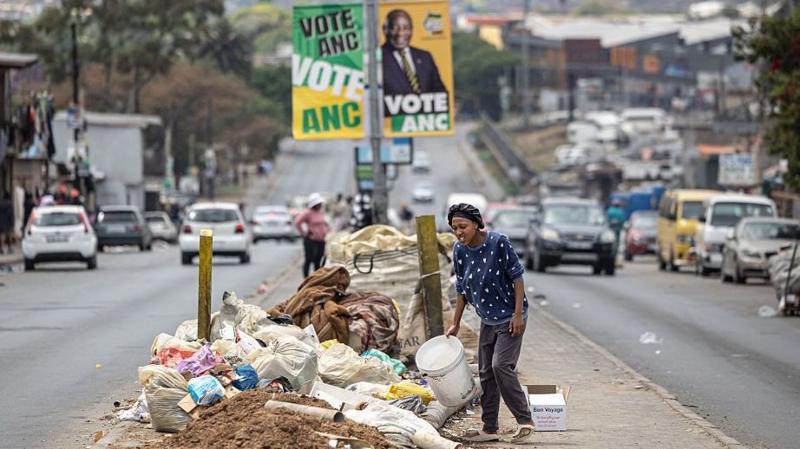 Image source, AFP via Getty Images
The ANC faces immense pressure to reverse years of decline
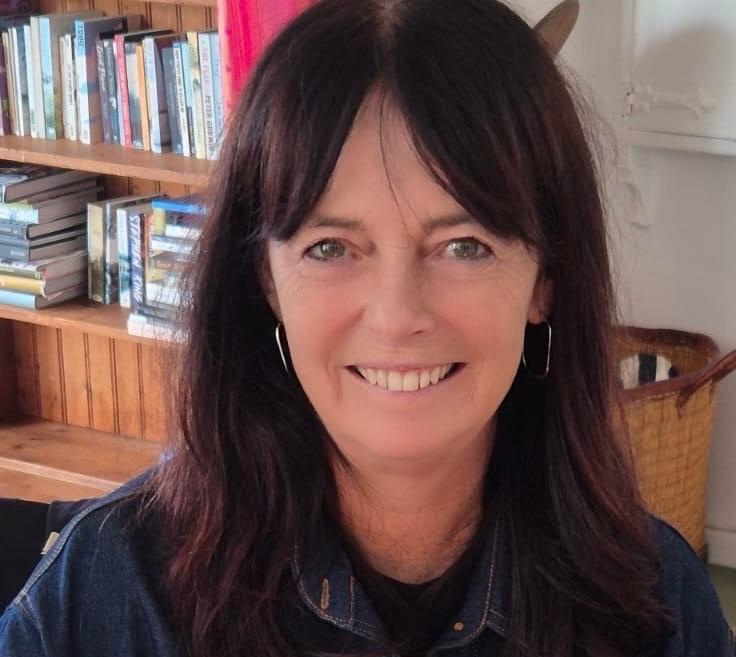
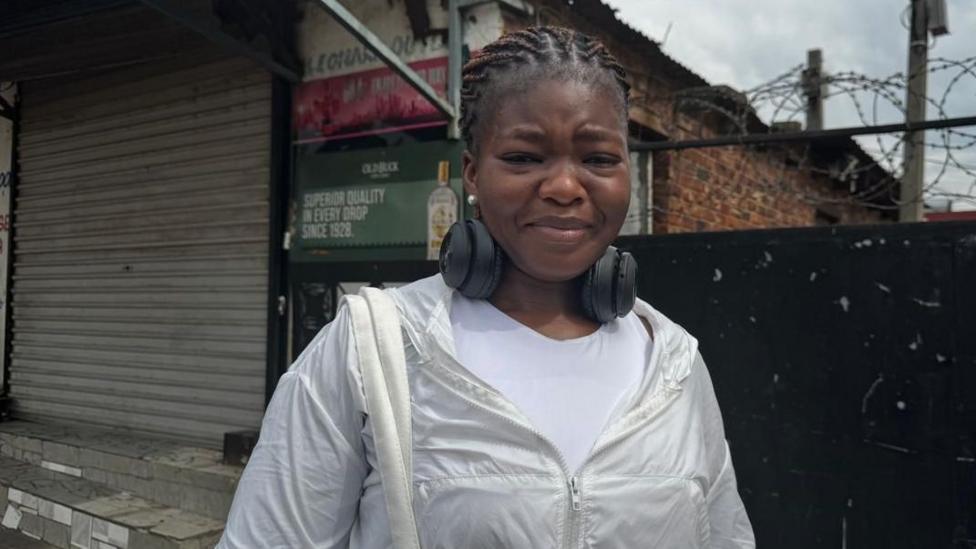 Image source, Khanyisile Ngcobo/BBC
Zandile Mncube says things have got worse in her township over the years