The key facts
- The report was prepared by the US national academies at NASA's request
- Expeditions of two astronauts with one to four surface excursions are being considered
- The first priority is the Bhabha crater on the far side of the Moon
Four priority landing sites on the Moon
Recommendations for selecting sites for future Moon landings are contained in a report prepared by the US national academies of sciences, engineering, and medicine at NASA's request, Kun.uz reports. Experts selected four sites beyond the lunar poles and assessed what research could be conducted there during short-duration expeditions. Each expedition is expected to involve two astronauts, with one to four surface excursions planned.
Why the first candidate is invisible from Earth
First place on the list went to the Bhabha crater. It is located on the far side of the Moon, which cannot be observed from Earth, inside the giant South Pole–Aitken impact basin formed when the Moon collided with a large celestial body. Studying the rocks around the crater will help determine when ancient impacts occurred and how the lunar crust formed. Of particular value are rocks lifted from deep layers by the impact; to analyze them in detail, samples will have to be brought back to Earth.
Context of the Artemis program
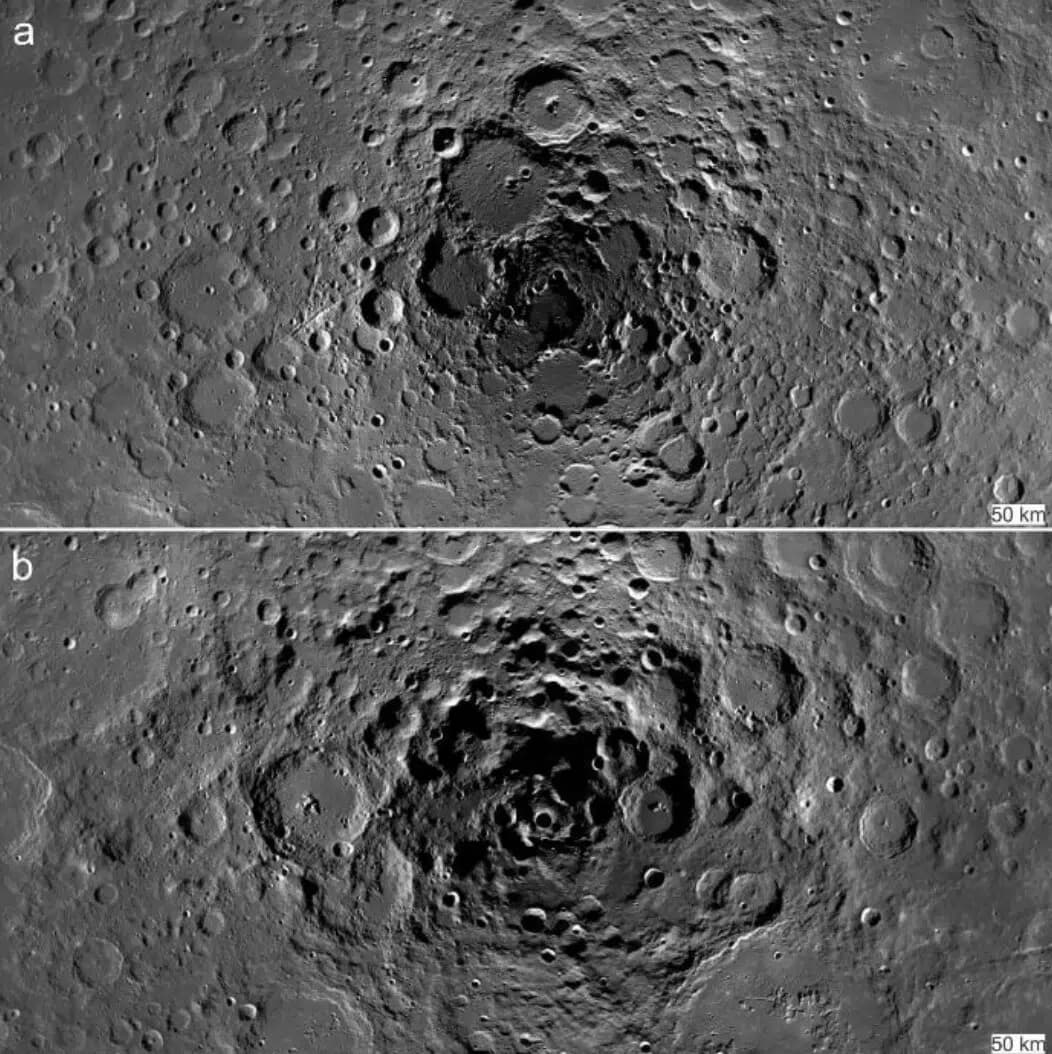
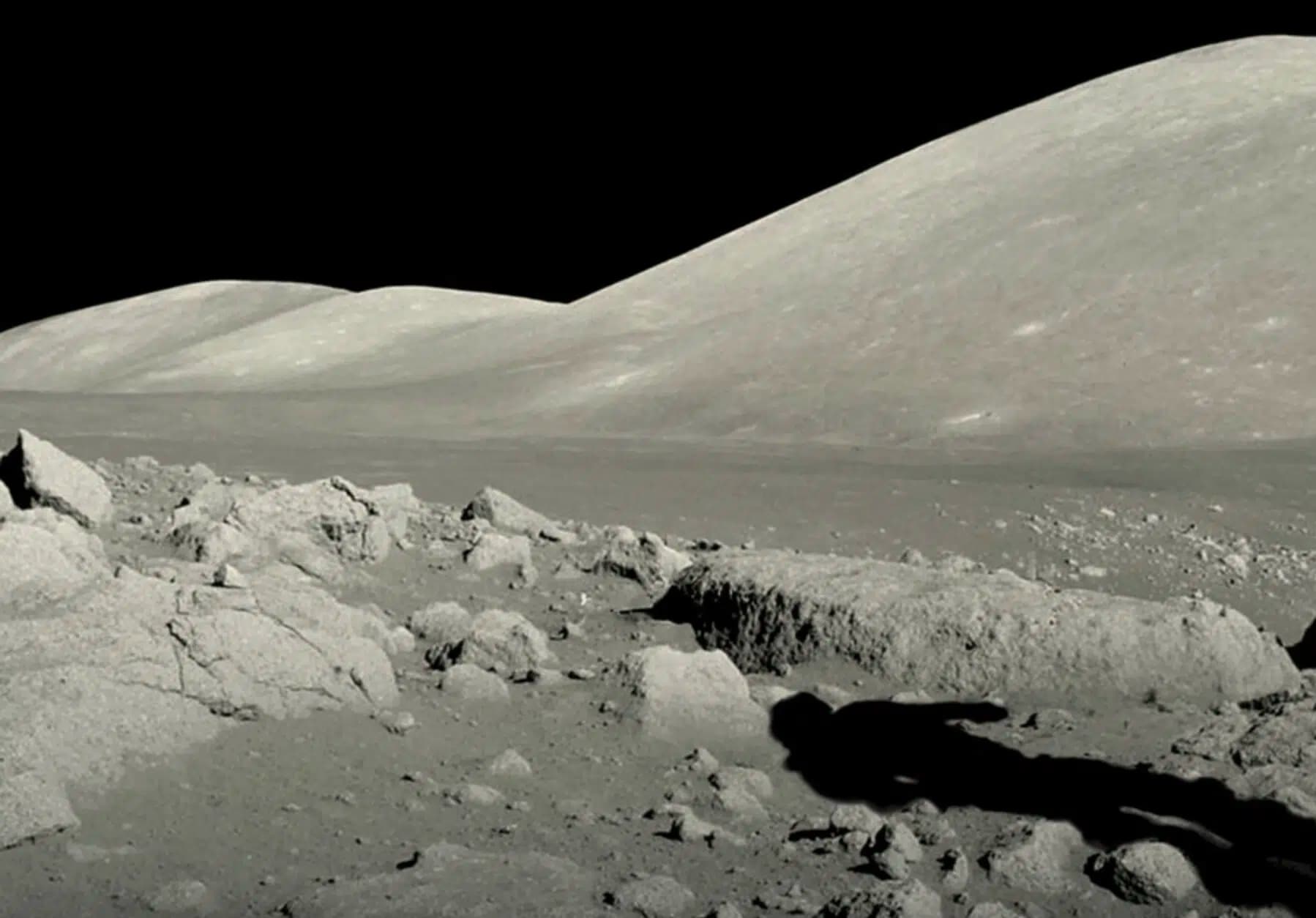
Humans last landed on the Moon in December 1972 during the Apollo 17 mission. NASA plans to return astronauts under the Artemis program, with the main focus on the South Pole: craters in permanent shadow may hold reserves of water ice, which in the future is expected to be used to produce drinking water, oxygen, and rocket fuel. The report's authors nevertheless consider it important to study other regions of the Moon as well: there are geological structures absent at the poles, favorable conditions for astronomical observations, and opportunities to test technologies for future Mars missions. The Moon itself is on average 384,000 kilometers from Earth; it has no plate tectonics and virtually no atmosphere, so its surface preserves traces of events from billions of years ago.