The key facts
- The 1583 brass lock from the ship Ann Francis was opened using micro-CT — a four-letter code, ANCE, out of 1,296 combinations in total
- The lock was found by metal detectorist Peter Hughes in 1999 near Margam (Port Talbot); the collection was handed to the Amgueddfa Cymru museum in 2017
- An exhibition featuring the lock opened at the Swansea Waterfront Museum in July 2026
The lock from a 1583 shipwreck has finally been opened
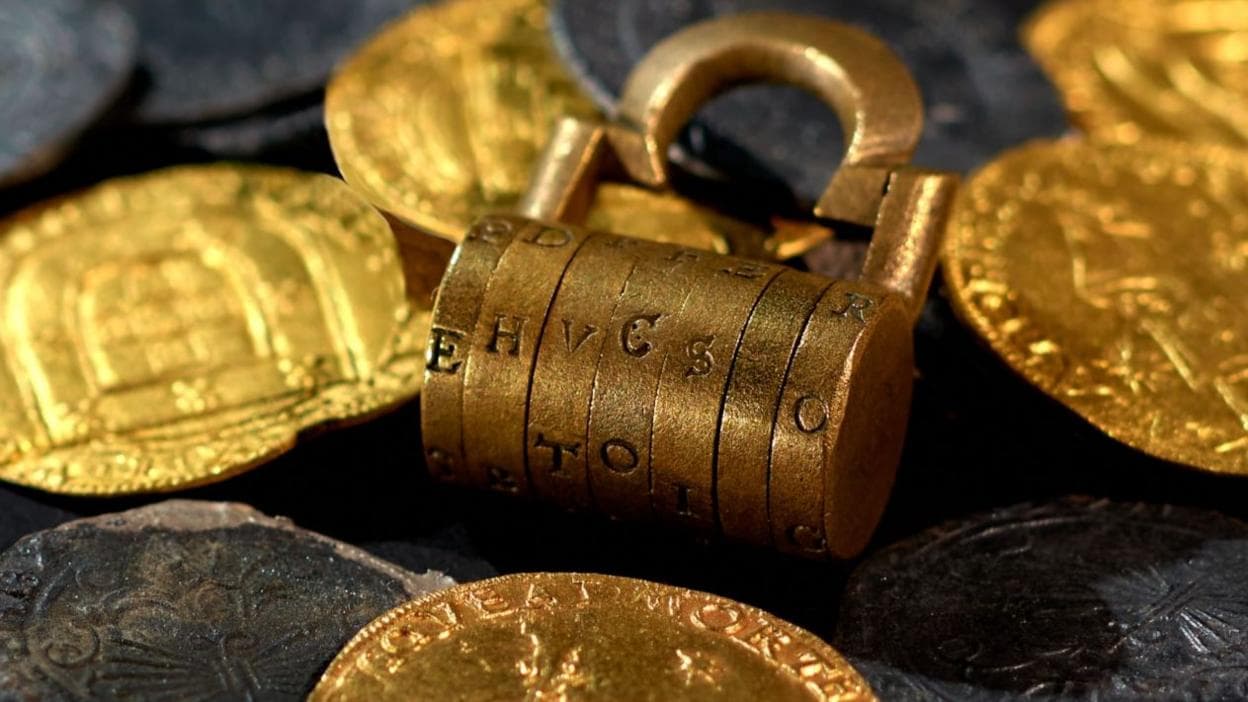
Specialists at the Amgueddfa Cymru museum and Cardiff University have worked out the code to a brass lock more than 400 years old, found on a sandy shore near Margam in Port Talbot (Wales). BBC News reports this. The lock belongs to finds from the ship Ann Francis, which was caught in a storm on 28 December 1583 while sailing from Spain; its cargo lay hidden under the sand for centuries.
How it was found and opened
The lock was discovered by metal detectorist Peter Hughes from Maesteg in 1999 during a walk along Morfa beach on his day off — Spanish silver coins and two coin-weighing weights lay nearby. According to him, the search stretched over 21 years, and he spent about 20 years unsuccessfully trying to open the lock itself, trying combinations on the discs. Hughes handed the collected collection of items to the museum in 2017.
The technology and the significance of the find
Micro-computed tomography scanning helped decipher the mechanism — according to David Williams, a research fellow at the School of Engineering at Cardiff University, the device was not designed for this, and he was initially sceptical about the idea. The first scan revealed the letters, the second failed, and the third made it possible to determine the code: ANCE. Senior curator Alastair Willis explained that the lock has four rings with six letters on each — 1,296 combinations in total, which must be aligned with the shackle. His colleague Siân Iles noted that the lock is in excellent condition and still works, and its proximity to the remains of the Ann Francis allows it to be dated precisely; it probably locked a chest or casket, but their contents are unknown.
Where to see it and what the law says
The collection with the lock is on display at the centre of the Swansea Waterfront Museum from July 2026. The BBC also reminds of the rules for finds: under the Treasure Act 1996 in Wales, a find that falls under the definition of 'treasure' must be reported to a Finds Liaison Officer within 14 days; failure to report carries a fine or up to three months in prison. After a report, a coroner conducts an inquest, and if a museum wishes to acquire the find, the Treasure Valuation Committee recommends to the Secretary of State for Culture, Media and Sport the value and the size of the reward for the finder.
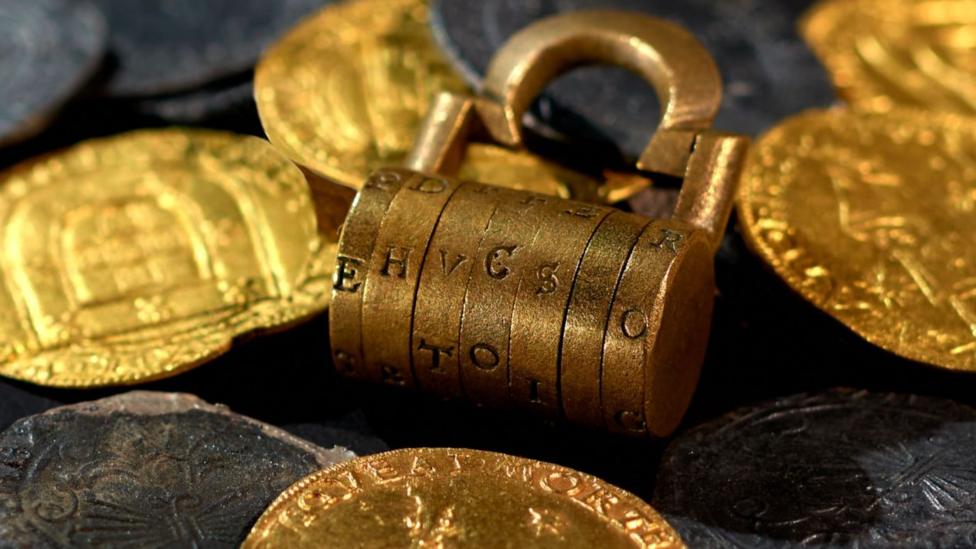 Image source, Amgueddfa Cymru
The brass lock was discovered off the Welsh coast and dates back to 1583
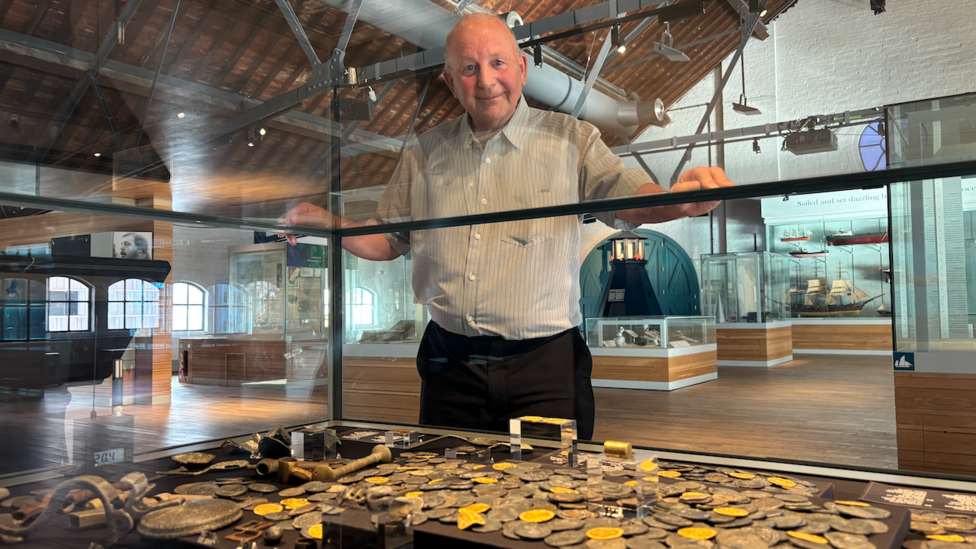
Peter Hughes found the lock, along with coins and other artefacts, while walking with his metal detector
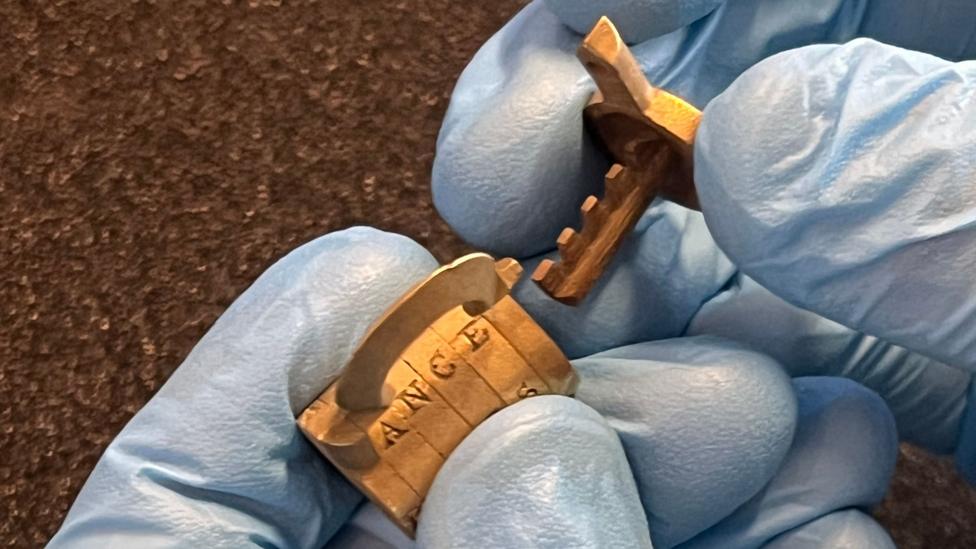
The code spells out ANCE and the inside resembles a key

Senior curator Alastair Willis said the unlocking was complex

Siân Iles works as a senior curator with Amgueddfa Cymru and said the team were 'intrigued' with the brass lock