The key facts
- A global switch to potassium-enriched salt could prevent 2.96 million deaths and 10.17 million new cases of cardiovascular disease and kidney disease annually — an estimate by the George Institute (193 countries)
- Replacing only household salt would prevent 1.85 million deaths a year; in Europe and North America more than 70% of salt comes from processed foods and restaurant meals
- WHO endorsed the use of such salt in 2025; the main risk is hyperkalemia in people with severe kidney disease
The estimate: nearly three million deaths a year
Replacing regular table salt with potassium-enriched salt could prevent 2.96 million deaths and 10.17 million new cases of cardiovascular disease and chronic kidney disease every year — that is the estimate of a study by scientists at the George Institute for Global Health in Australia, which covered 193 countries. The results were reported by Euronews (the Russian-language version of the outlet was published the same day), and the study itself was published in the scientific journal.
How the product works and why it is cheap
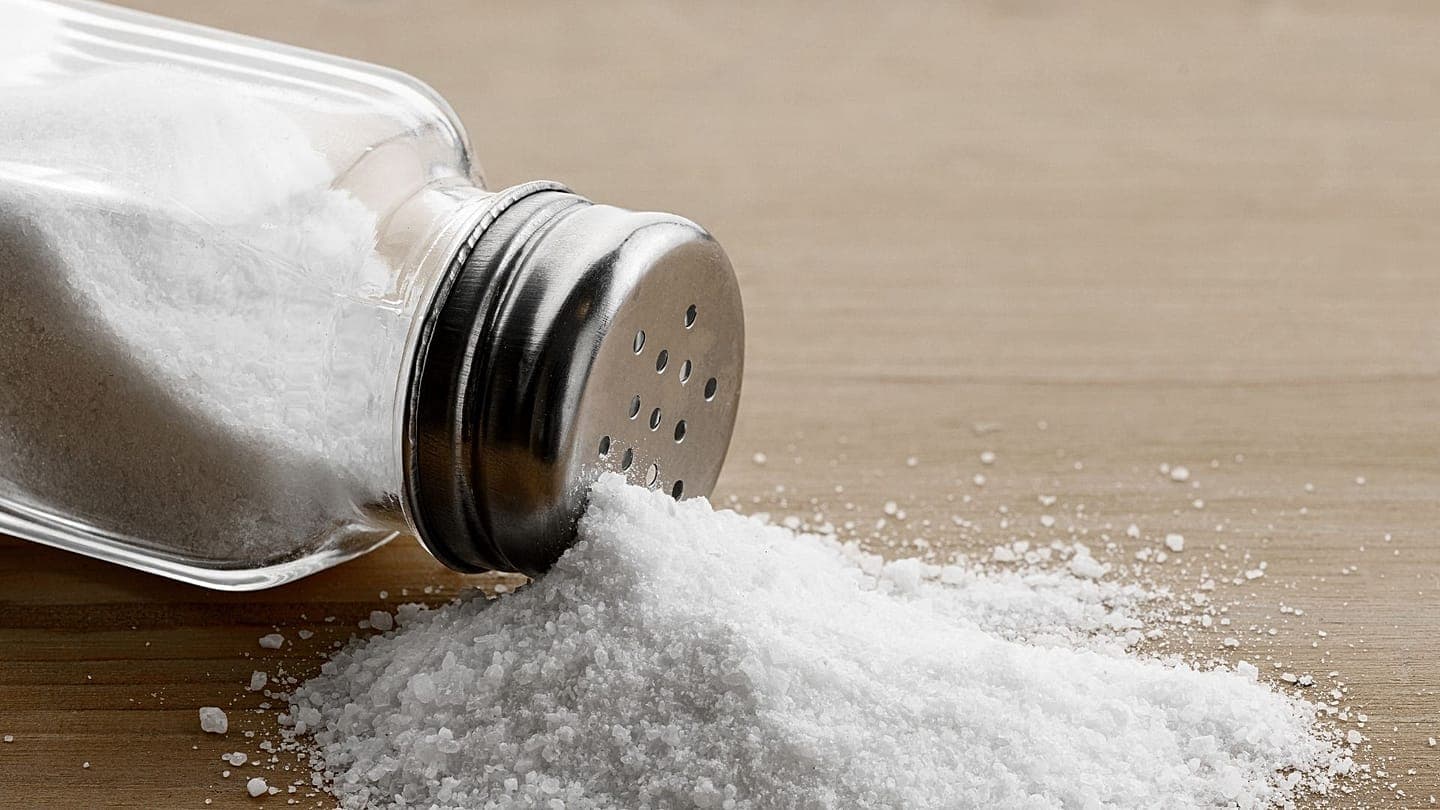
Potassium-enriched salt replaces part of the sodium chloride with potassium chloride: it looks, tastes and cooks like regular salt, but at the same time corrects two dietary factors of high blood pressure — excess sodium and insufficient potassium. “Excessive sodium intake and a lack of potassium are well known as causes of high blood pressure,” Bruce Neal, a Senior Principal Research Fellow at the institute, said in a press release. The scale of the problem is large: according to WHO figures cited by Euronews, roughly one in three adults aged 30–79 — about 1.4 billion people — has hypertension, and cardiovascular disease remains the world’s leading cause of death, with 19.2 million deaths in 2023.
A partial switch also delivers results
The authors considered several scenarios. Replacing only the salt used at home would, by their estimate, prevent 1.85 million deaths and 6.19 million cases of disease annually; switching to the new salt in processed foods and restaurant dishes would prevent another 1.56 million deaths and 5.46 million cases. For Europe and North America the second scenario is especially important: according to Neal, there more than 70% of the salt consumed comes from processed foods and restaurant meals, so without the food industry’s involvement the maximum effect is unattainable. The largest absolute gains fall to populous countries: a full switch could prevent about 1.08 million deaths a year in China and almost 400,000 in India; in the UK, almost 13,000 deaths and about 60,000 cases of disease.
Risks and limitations
Widespread adoption is not safe for everyone: in people with severe kidney disease and those taking medications that raise potassium levels, hyperkalemia — an excessive concentration of potassium in the blood — is possible. Nephrologist Vivek Jha believes that “the risks for this group can be effectively managed through patient education, product labeling and medical monitoring.” WHO endorsed the use of potassium-enriched salt back in 2025. At the same time, Neal himself acknowledges that a global switch is an ambitious task, not least because of the need to scale up potassium chloride production; he calls the study a starting point for countries to think about, not a ready-made plan. It should also be noted that this is a model estimate of the potential effect by country, not data on actual implementation: the figures show what could happen under one or another salt-replacement scenario.