The key facts
- The Ministry of Health has prepared a draft of amendments to the procedure for providing therapeutic care to adults, providing for telemedicine monitoring of patients with diabetes and hypertension.
- The number of medical devices for remotely transmitting health indicators will depend on the number of patients needing remote monitoring.
- The draft also clarifies home care and allows house-to-house and apartment-by-apartment rounds in the event of an epidemic threat.
Remote monitoring of chronic patients
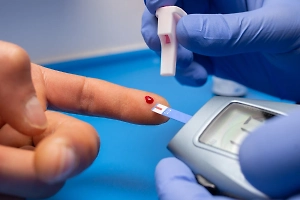
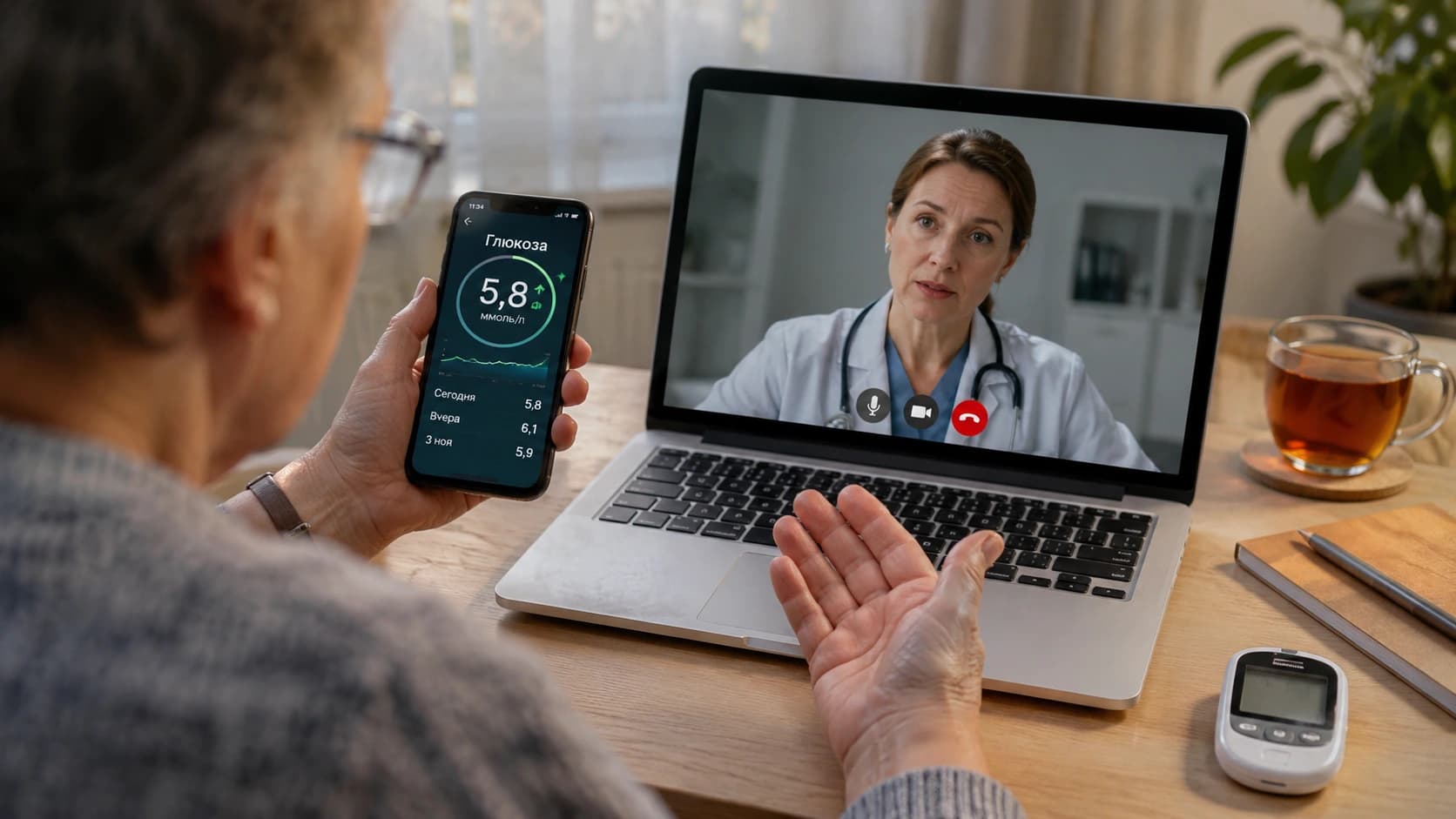
Russian polyclinics may be allowed to remotely monitor the condition of patients with diabetes mellitus and arterial hypertension. The relevant amendments to the procedure for providing therapeutic care to adults have been prepared by the Ministry of Health, as reported by RIA Novosti with reference to the ministry's document. The draft provides for the use of telemedicine technologies: to monitor patients, polyclinics will be able to use special medical devices that transmit health indicators remotely, and the number of such devices will depend on how many people need remote monitoring.
What else is changing for general practitioners and home calls
The changes will also affect the work of general practitioners: if necessary, a doctor will be able to refer a patient to a specialist and then continue monitoring and treatment, including remotely, taking into account the recommendations received. In addition, the Ministry of Health proposes to clarify the procedure for providing medical care at home — medical workers will be able to visit patients at their place of residence or stay in cases of acute illnesses, exacerbations of chronic diseases and other conditions requiring a doctor's call.
House-to-house checks during an epidemic threat and the scale of the problem
Separate provisions of the draft concern infectious diseases: in the event of an epidemic threat, medical workers will be able to conduct house-to-house and apartment-by-apartment rounds, examine sick people, those who have been in contact with them, and citizens suspected of having an infection; examinations of workers and students are also provided for. As context for the initiative, Life.ru previously cited data from the National Medical Research Center of Endocrinology of the Russian Ministry of Health: diabetes mellitus in Russia has taken on the character of a non-communicable pandemic, with the number of new cases increasing by hundreds of thousands every year, with the main increase coming from type 2 diabetes. More than 6.1 million patients are registered for dispensary follow-up in the country, of whom about 5.7 million suffer from this particular form of the disease. For now, this concerns a draft of amendments: the document still has to go through the established procedures before the new rules come into force.