The key facts
- Kellogg's has replaced rice grains with corn and rice flour in Rice Krispies and Coco Pops for the UK market
- The change is due to droughts in Asia reducing rice harvests and driving up prices; the El Niño phenomenon is expected to last until at least 2027
- In the US and Canada, the cereals will continue to be made from real rice with no recipe changes
Recipe changed due to poor rice harvest
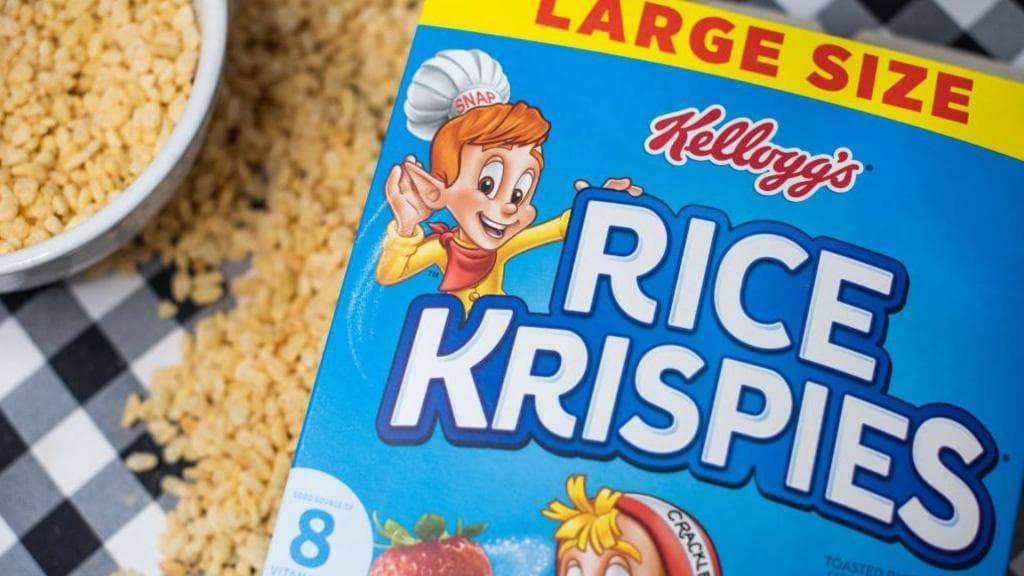
Kellogg's has stopped using rice grains in Rice Krispies and Coco Pops cereals for the UK market, citing 'changing weather conditions' that disrupted supplies. Instead, corn and rice flour are now used; a company representative announced this on Tuesday, noting that the updated recipes have been 'carefully evaluated' and customer feedback has been taken into account. As BBC News reports, the substitution is linked to rice crops suffering from drought in key Asian producing countries, which has reduced harvests and driven up prices.
What changes for consumers
Due to the new recipe, the packaging will now carry a warning stating 'contains wheat gluten'. The company stated that the cereals still meet UK standards for fat, salt, and sugar content, contain no artificial colours, flavours, or sweeteners, and that their nutritional value—fibre, vitamin D, and iron—remains unchanged. A Kellogg's representative explained that the recipe change will help 'maintain consistent quality' in conditions where weather affects the quality and availability of rice and grains, adding that the company approached the changes 'with great caution', recognising that even small alterations to a beloved product can be noticeable.
Who owns the brand and why only the UK is affected
Rice Krispies products in the US and Canada will continue to be made from real rice with no expected recipe changes—a North American Kellogg's representative told the BBC. The difference is explained by the company's structure: in 2023, Kellogg split into two firms. The largest, Kellanova (snacks, cereals, pasta—Eggo, Pringles, Pop-Tarts), belongs to Mars; the North American WK Kellogg's was acquired by the Italian chocolate manufacturer Ferrero. British cereals belong to the global business, which is why the change specifically affects the UK market.
Context: El Niño and rice
Most of the world's rice is produced in Asia, where droughts, floods, and heatwaves are linked to the El Niño weather phenomenon. According to the BBC, this phenomenon is expected to hit rice production in Southeast Asia particularly hard, as the region accounts for more than a quarter of the global harvest. The World Meteorological Organisation forecasts that the record El Niño will last at least until 2027 —meaning that, according to current estimates, pressure on rice supplies will persist in the long term.
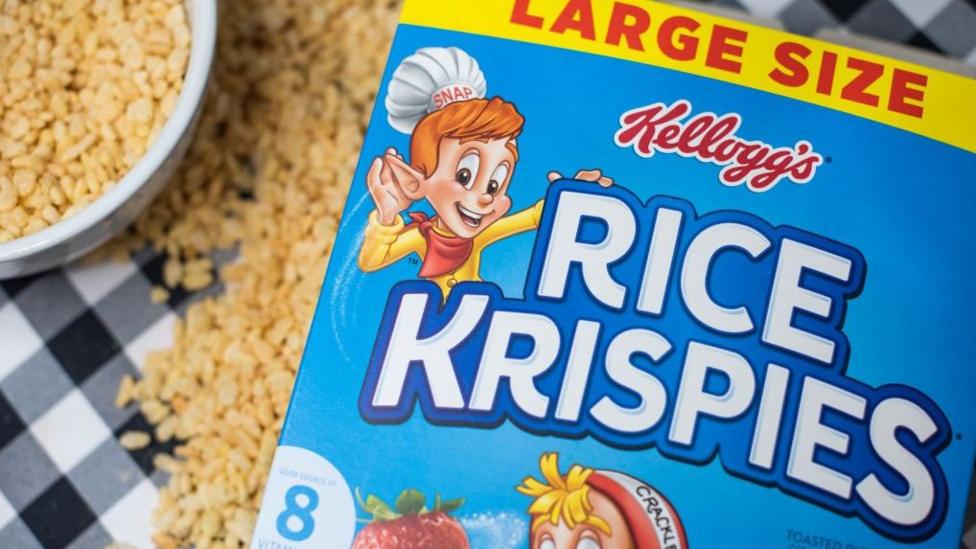 Image source, Bloomberg via Getty Images