The key facts
- Iran demands a full US response to seven conditions before reopening the Strait of Hormuz
- Qatar is acting as a mediator in restoring direct talks
- Washington, according to Vice President Vance, has not set deadlines for an agreement
Tehran insists on seven conditions
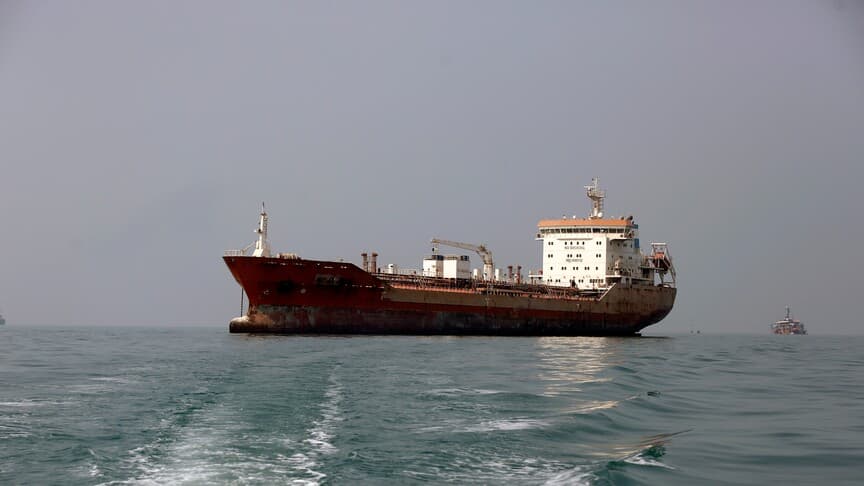
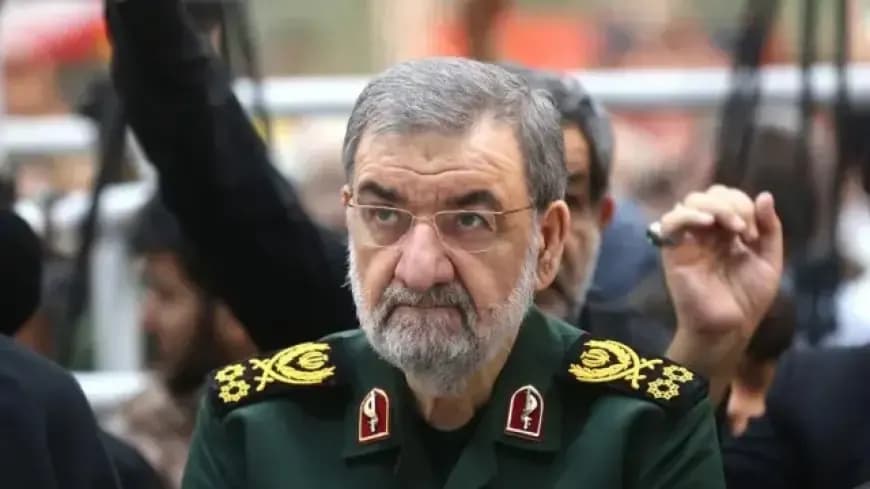
Iran will not reopen the Strait of Hormuz until the United States gives a full and clear response to Tehran's seven conditions. This was announced by the Secretary of Iran's Supreme National Security Council Mohsen Rezaei on the social network X, noting that Washington's response to Iran's rights and demands proved unsatisfactory. According to him, the strait will open only after the United States responds to all seven conditions. The content of the conditions themselves is not disclosed in the Zamon.uz publication.
Qatar's mediation and the parties' positions
On November 1, Axios reported that Qatar is acting as a mediator in restoring direct talks between the United States and Iran: according to the outlet, Qatari representatives met with Iranian officials over three days. Iran's Foreign Minister Abbas Araghchi stated that no agreement has been reached so far and that reaching one depends on Washington's response to Tehran's questions.
Background and Washington's position
On October 13, reports emerged that the United States had accepted only part of Iran's conditions for reopening the strait; after that, Rezaei stated that Tehran does not intend to return to the previous shipping order. On November 3, US Vice President JD Vance said that Washington had not set a deadline for reaching an agreement with Iran and seeks an end to Iran's nuclear program along with guarantees that it will not be resumed. Thus, the parties still differ: Tehran demands a full response to its conditions, while Washington is in no hurry with deadlines, focusing on the nuclear issue.