The key facts
- El-Sisi warned that a resumption of the US-Iran war could draw the region into a broader conflict with 'catastrophic' consequences
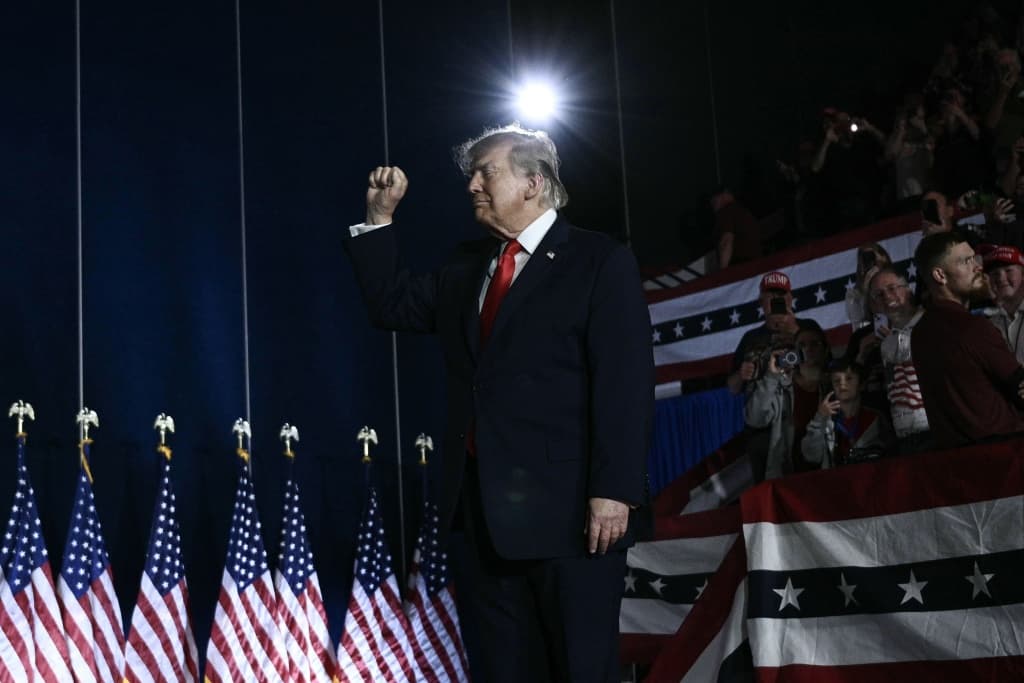
- He called Donald Trump 'a man of peace' and expressed confidence in his support for the mediators
- Iran stated that the opening of the Strait of Hormuz depends on the end of the US blockade; the June 18 memorandum on freedom of navigation is not being implemented
A warning from Cairo
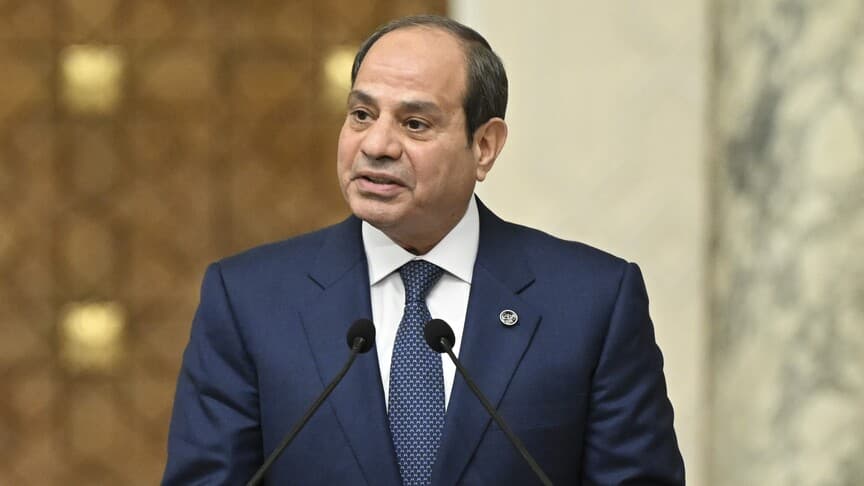
Egyptian President Abdel Fattah El-Sisi on Tuesday called on the United States and Iran to show flexibility in seeking a settlement, warning that a resumption of hostilities could draw the region into a broader conflict with 'catastrophic' consequences. The remarks came at a joint press conference in Cairo with Slovenian President Nataša Pirc Musar, Anadolu reports. El-Sisi urged the parties to engage in dialogue 'before it is too late' and pointed to possible severe humanitarian and economic consequences not only for the region but beyond it.
The essence of the proposals and the context of the talks
According to El-Sisi, an agreement must take into account the key demands and concerns of each side. He called US President Donald Trump 'a man of peace' and expressed confidence that he would provide the mediators with the necessary support. Egypt, the president added, will work with regional and international partners to de-escalate tensions. At the same time, he rejected any threat to the security of Saudi Arabia and other Gulf states, affirming Cairo's solidarity with them.
What is happening around the Strait of Hormuz
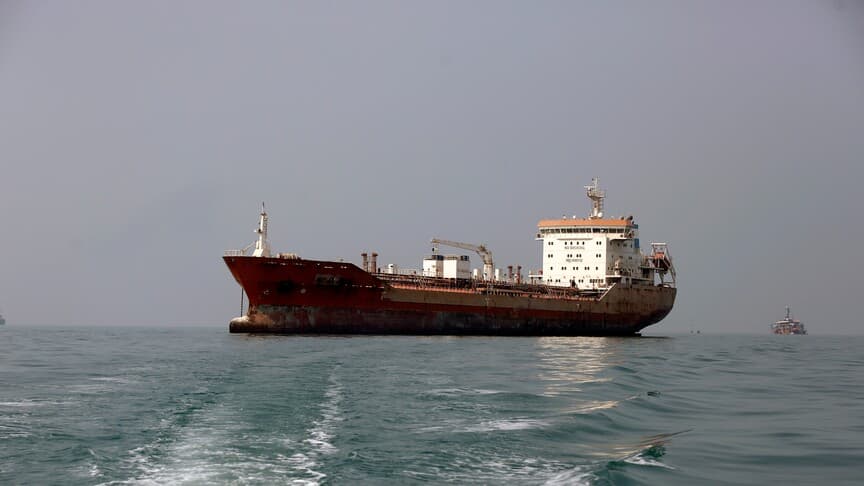
The statements came against the backdrop of Qatar's ongoing mediation between Washington and Tehran amid tensions over the US maritime blockade and the security of the Strait of Hormuz. On Monday, Iran said it continues to exchange messages with the United States through mediators and that the opening of the strait depends on Washington lifting the blockade. For context: the US and Israel began attacks against Iran on February 28; Tehran responded with strikes on Israel and American facilities in the region, after which a ceasefire agreement was reached in April. On June 18, the US and Iran signed a memorandum of understanding on freedom of navigation in the strait, but its implementation stalled due to disagreements on security issues. Thus, Cairo's appeal concerns not an abstract conflict but a de facto frozen settlement: the six-month-old document remains unfulfilled, and the blockade remains the main stumbling block.