The key facts
- Trump confirmed the strike on an air defense facility on Qeshm Island in the Strait of Hormuz, calling it a 'minor attack'
- An Israeli military spokesman told AFP that Israel was not involved in the strike
- Iran and the US continue indirect talks mediated by Qatar; Tehran is ready to reopen the Strait of Hormuz within two days if its conditions are met
Strike confirmed and Tehran's reaction
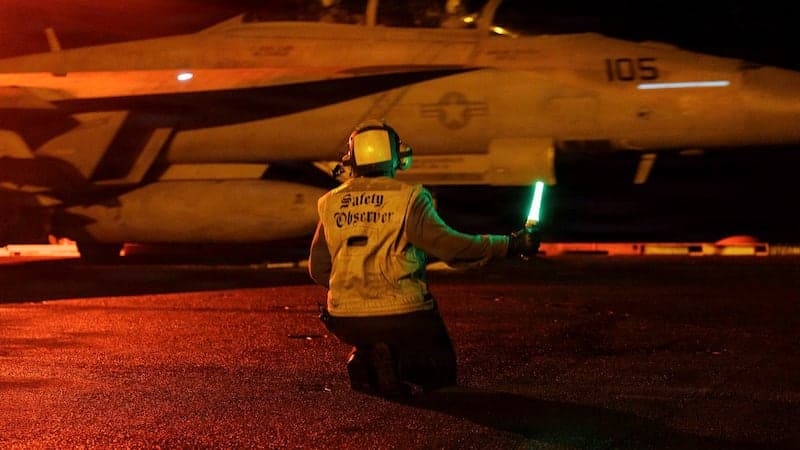
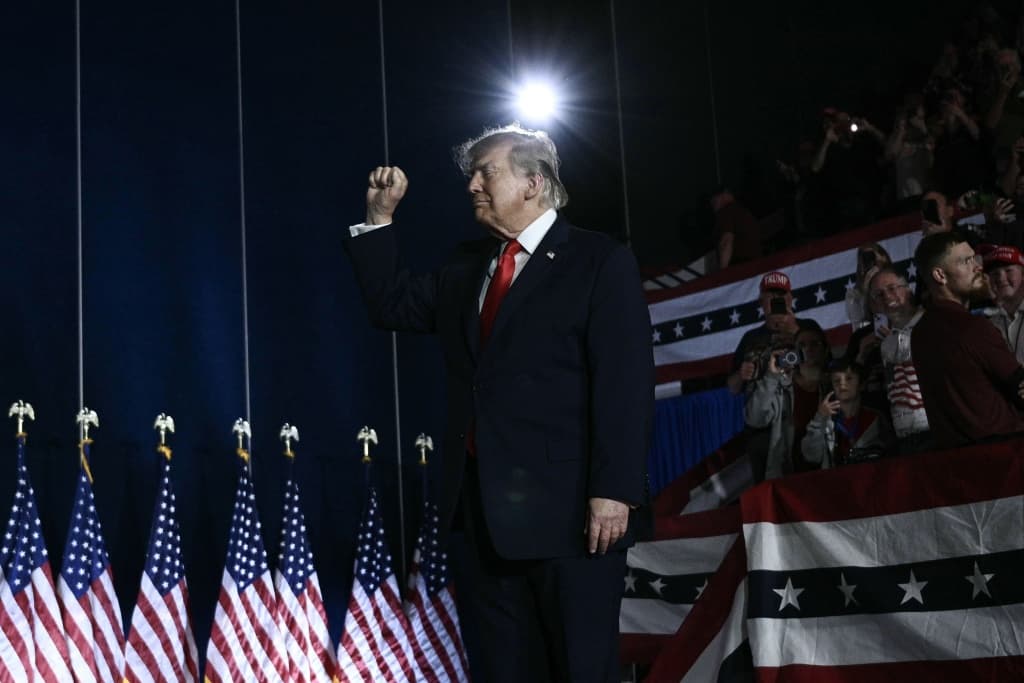
US President Donald Trump on Tuesday confirmed the strikes on Iran in a Fox News interview, after the Wall Street Journal, CNN, The New York Times and other outlets reported strikes on Qeshm Island in the Strait of Hormuz. 'They built an air defense facility... As soon as it was completed, we hit it last night,' Trump said, calling the attack 'minor.' According to Iran's state agency IRNA, five explosions occurred in a row on the island, and some residents saw two aircraft in the sky. Asked by AFP about Israel's involvement, a military spokesman for the Israeli army replied: 'No.'
Tehran's dual signal
The reaction of the Iranian authorities split along military and diplomatic lines. The chief negotiator with the US, Mohammad Bagher Ghalibaf, said in a televised address that the Islamic Republic is 'ready for battle with a finger on the trigger,' adding that 'the ball is now in America's court — to prevent war.' Deputy Foreign Minister Kazem Gharibabadi recalled the right to 'legitimate self-defense.' At the same time, President Masoud Pezeshkian stressed that the government is still trying to resolve the crisis 'through dialogue,' that 'no one will benefit from this war' if it resumes, and that the supreme leader recently granted the government new powers to negotiate on topics previously considered 'forbidden.' In central Tehran, according to AFP journalists, a billboard has been installed with a photo of the American president and the inscription 'We will kill Trump.'
Talks continue amid the war
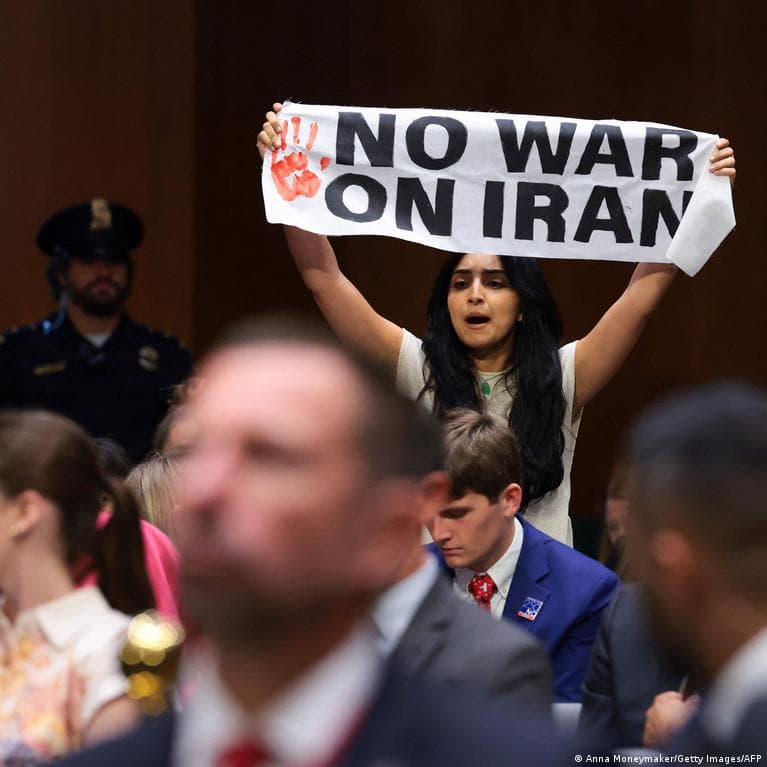
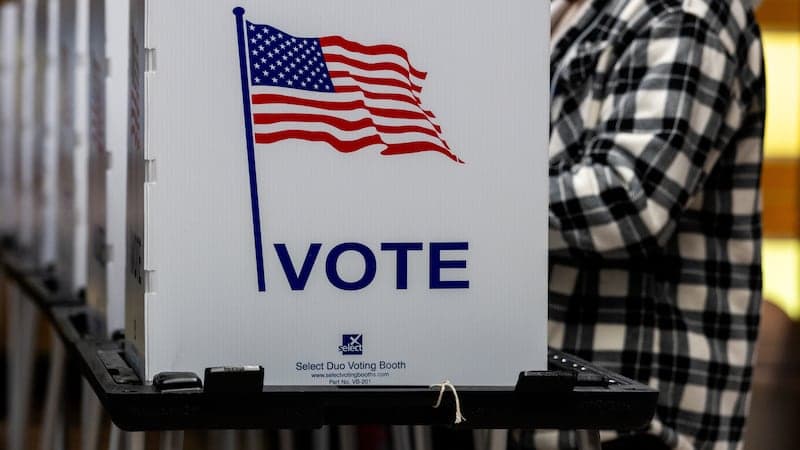
The strike came hours after Trump wrote on Truth Social that a deal with Iran 'could happen' and that 'Iran wants a settlement as soon as possible' — on the eve of the US midterm elections, in which, according to AFP, discontent with the war and the inflation it has caused dominates. Iranian Foreign Minister Abbas Araghchi confirmed on Monday that indirect talks are underway, while US Vice President JD Vance said that 'certain progress has been made.' Qatar, as mediator, said both sides are studying the proposals presented by Doha and expressed hope for an interim deal. Separately, Iranian Foreign Ministry spokesman Esmaeil Baghaei said Tehran is ready to reopen the Strait of Hormuz — a key route for global oil and gas trade — within two days, provided Washington agrees to a long-standing list of demands: under the plan proposed by Iran in September, this means an end to the war on all fronts, the unfreezing of Iranian assets, the lifting of oil sanctions, and an end to the counter-blockade of Iranian ports.
Context of the conflict
The US and Israel's war with Iran began with a massive wave of strikes in late February and, according to AFP, reached a stalemate several months ago. On the eve of the vote, Trump continued to threaten Tehran: on Sunday he said the US might at some point have to 'give Iran a hammer,' and on Saturday — that he still had to 'deal with' one or two targets, including the so-called Kirka mountain in central Iran, which Tehran denies is a nuclear site. Iranian officials have repeatedly warned of large-scale retaliation if the war resumes. Thus, the strike on Qeshm is combined with a parallel negotiating track: the sides are simultaneously exchanging military actions and proposals through Qatari mediation, and the outcome of both processes remains open.