The key facts
- The election committee refused to postpone the official announcement of the October 27 election results, as Likud had demanded
- The attorney general stated that no one will be investigated without evidence, and accused the Shin Bet of failing to hand over materials
- The Arab parties won a record 19 mandates; Netanyahu's bloc has 53 seats, Eisenkot's opposition bloc 48
Dispute on the eve of the results announcement
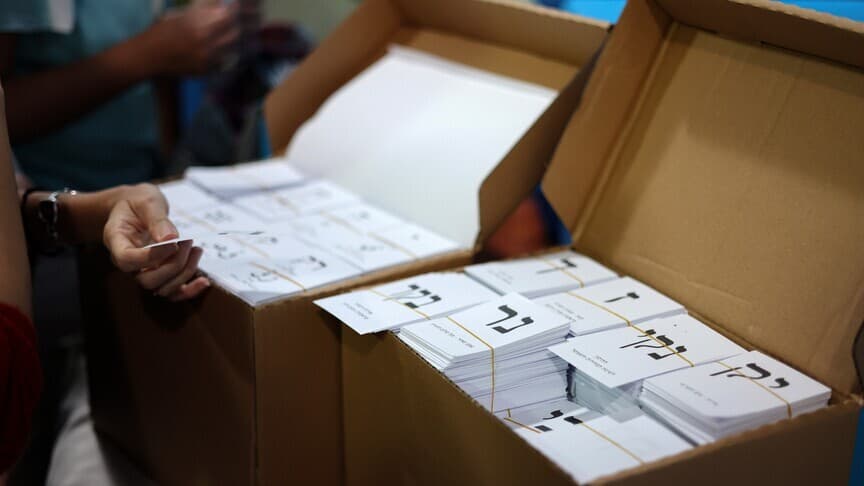
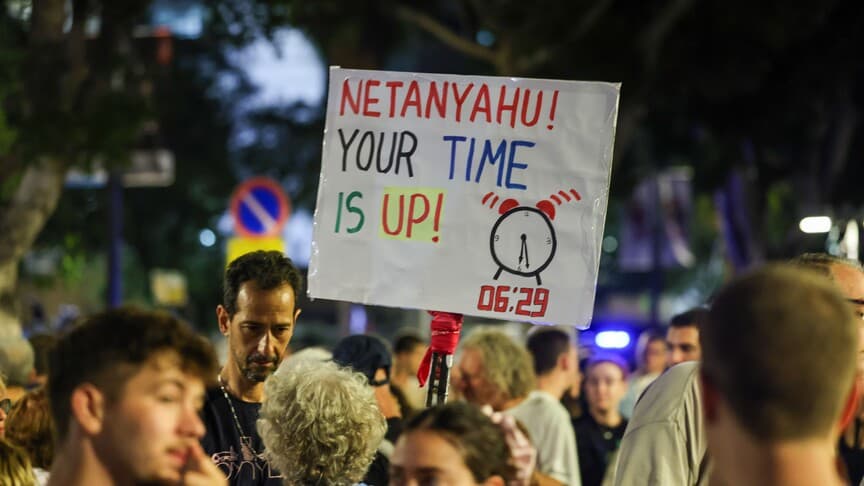
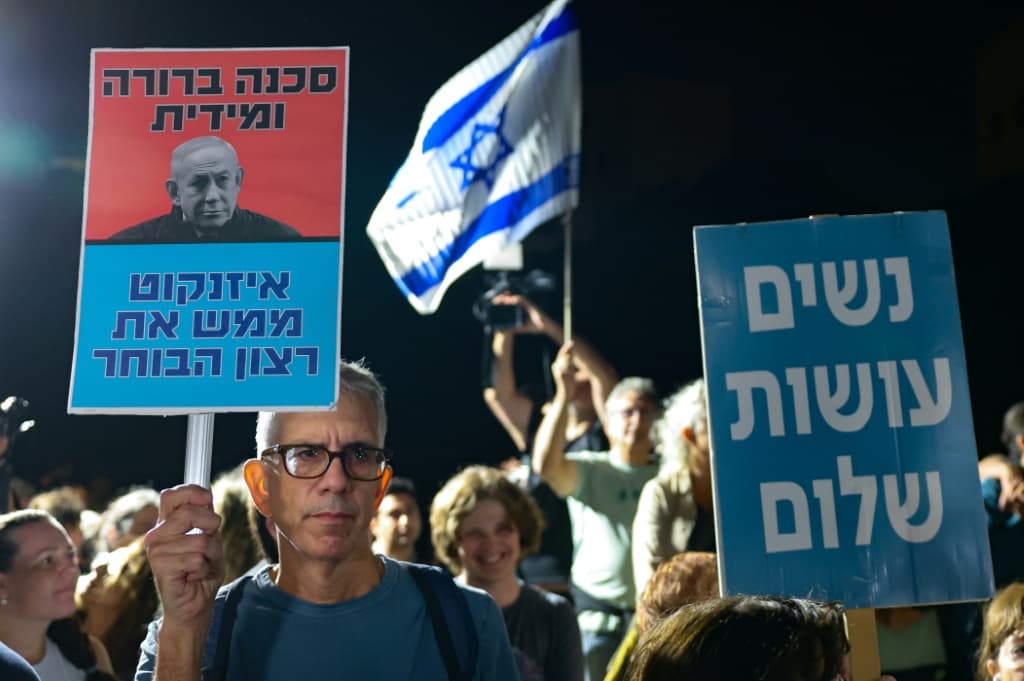
On the eve of the official announcement of the October 27 election results, a conflict has escalated in Israel between Prime Minister Benjamin Netanyahu and Attorney General Gali Baharav-Miara. According to AFP, the attorney general called on the security services to submit materials from the investigation into alleged election fraud involving Arab parties, while Netanyahu's Likud party accused her of concealing 'manipulations' ahead of the official results announcement on Wednesday.
The parties' positions
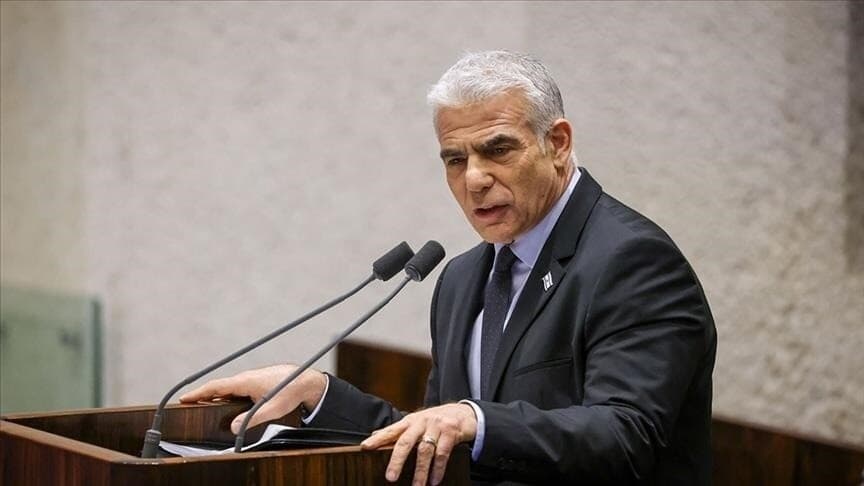
On Tuesday evening, the election committee said the publication of the results would not be postponed, as Likud had demanded, insisting on waiting for the completion of investigations being conducted by the Shin Bet internal security service. According to media reports, Shin Bet chief David Zini, who is close to Netanyahu, had asked to question the leaders of Arab parties in a case concerning suspicions of electoral fraud. Baharav-Miara responded: 'If the Shin Bet or any other body possesses evidence justifying the opening of an investigation, it is invited to submit it,' adding that 'anyone who needs to be questioned will be questioned, but no one will be investigated without evidentiary grounds.' She also accused the Shin Bet of failing to hand over materials to a special investigative team under her oversight. Likud, in turn, accused her of 'obstruction' and 'concealing a serious case of manipulation of the electoral process by foreign actors.' Opposition leader Gadi Eisenkot wrote on X that 'Likud and Netanyahu, in their desperation, are trying to carry out a real pogrom against democracy and the rule of law' and to 'drag all of us into a dangerous constitutional crisis.' The Arab parties once again categorically rejected the accusations.
The Knesset lineup and opposition negotiations
President Isaac Herzog is to receive the official results at noon (10:00 GMT) and then begin meetings with the parties. The Arab parties won a record 19 seats in the 120-seat parliament amid discontent with the rhetoric of Netanyahu's far-right government toward Arab citizens of Israel. Eisenkot's bloc won 48 seats, Netanyahu's camp 53, of which 27 went to Likud; neither bloc has a majority. Five leaders of opposition parties held consultations in Herzliya and, in a joint statement, set the goal of forming a government 'as soon as possible' to prevent a repeat election. They endorsed Eisenkot's four conditions, including recognition of Israel as a Jewish state and condemnation of Hamas as a terrorist organization — conditions that could exclude some Arab lawmakers. According to unconfirmed reports in Israeli media, the leaders placed greater emphasis on an alliance with the ultra-Orthodox Jewish parties, which have traditionally supported Netanyahu, than with the Arab parties. The only opposition leader to openly back an alliance with the Arab parties remains the head of the center-left Democrats party, Yair Golan, who called the exclusion of the Arab minority racism. The head of the largest Arab party, Youssef Jabareen, told AFP that the opposition needs to accept the 'political reality' and unite in order to unseat Netanyahu. Netanyahu himself on Monday called for a 'broad national government' under his leadership and ruled out a coalition with the Arab lists, claiming that they 'support terrorism and deny the existence of a Jewish state.' The leaders of the Arab-Israeli parties unanimously condemned Hamas's October 7 attack, without describing the movement as a terrorist group.