The key facts
- The EP committee lowered the 2035 target from 100% to an 87.5% emissions reduction; for vans, from 90% to 80%
- The compromise is weaker than the European Commission's proposal to lower the target to 90%
- The compromise was brokered by the EPP, Socialists and Renew Europe; the Greens call it a threat to investment certainty
European Parliament committee weakens the 2035 emissions target
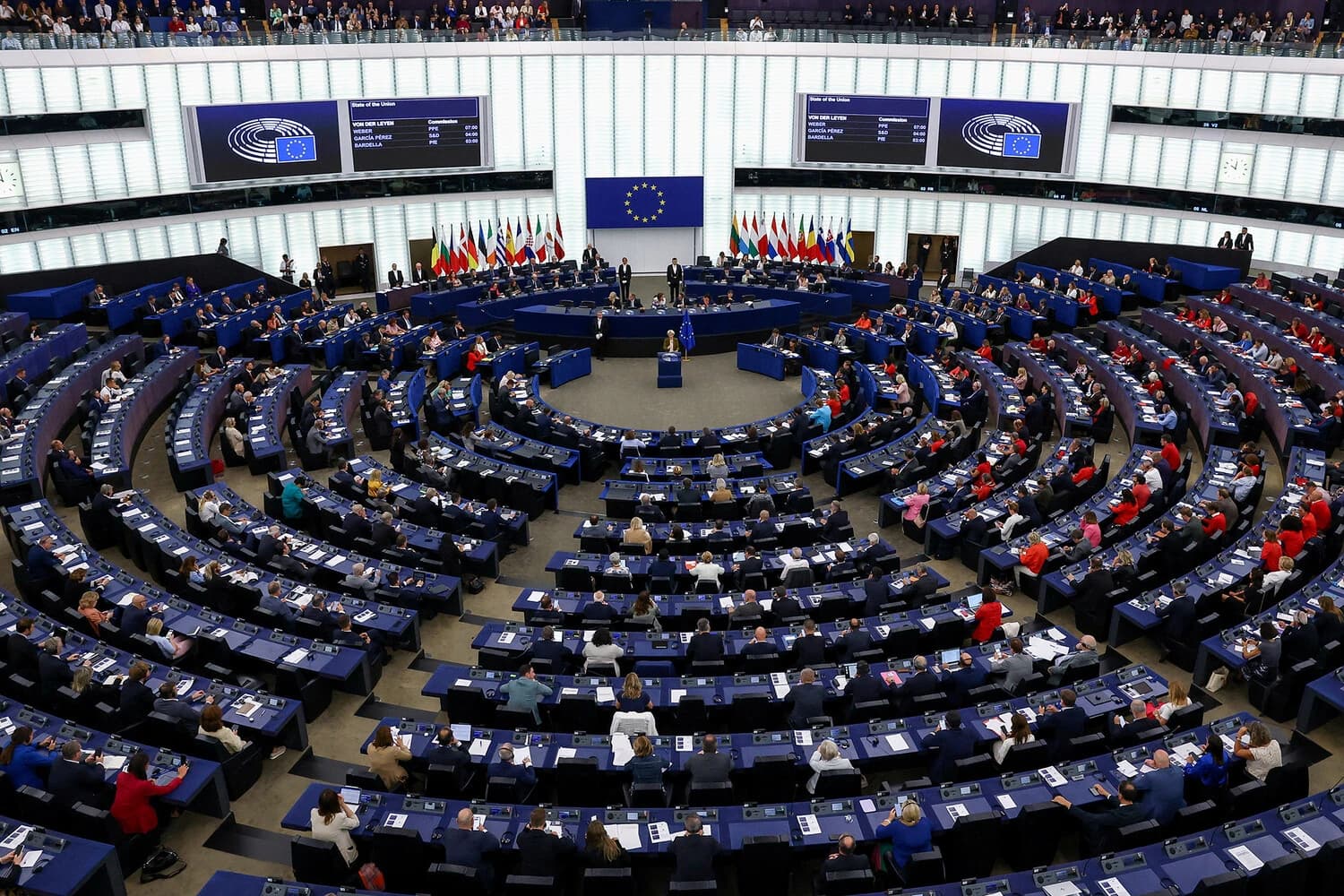
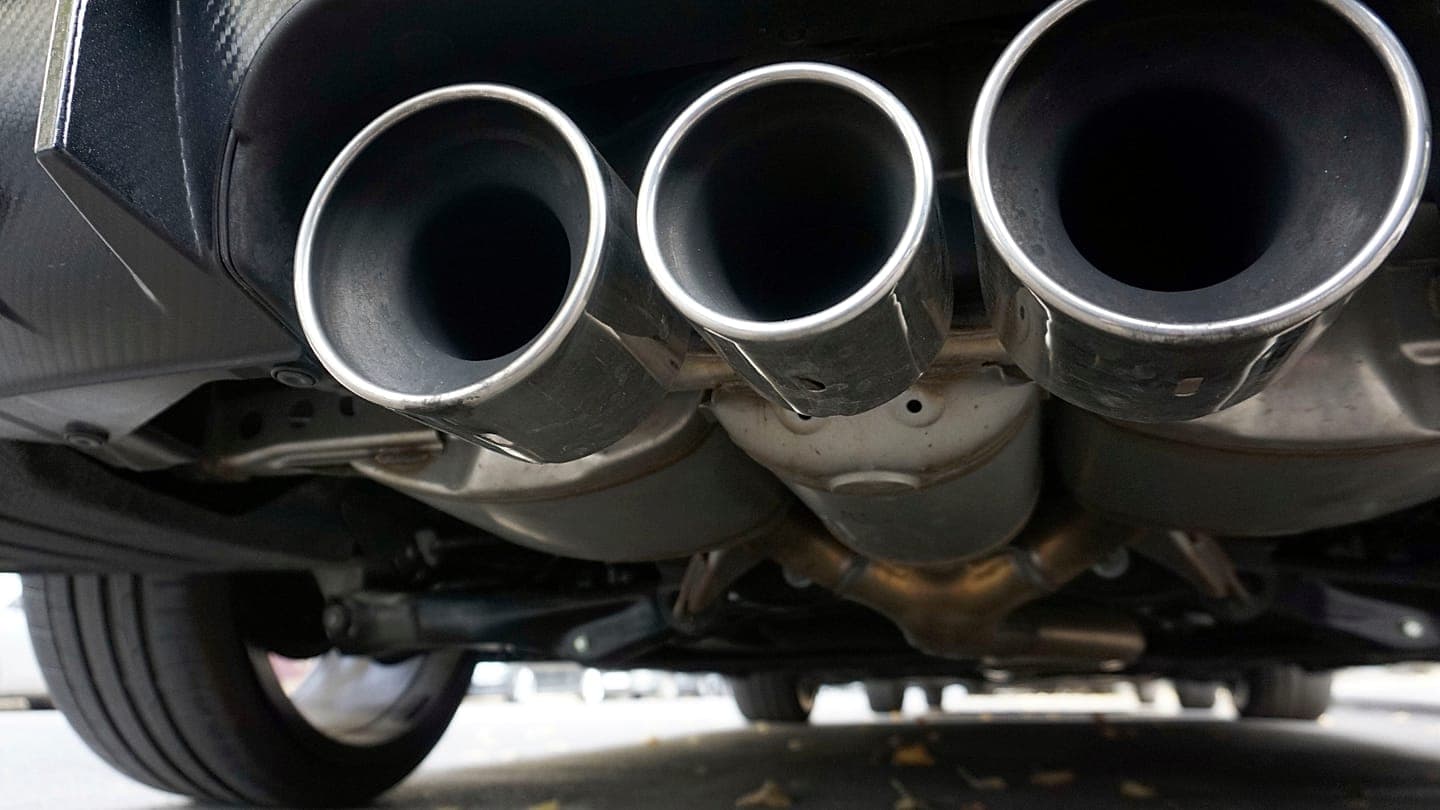
The European Parliament's environment committee on Wednesday, 4 November 2026, backed a softening of the CO2 emissions target for new cars and vans for 2035: instead of the previous 100%, a reduction of 87.5%. Manufacturers using climate-neutral steel will receive an additional credit of 7.5%, and the target for vans is lowered from 90% to 80%. Euronews reports.
Weaker than the European Commission proposed
The parliamentary compromise goes further than the European Commission's position: in December 2025 under pressure from carmakers and governments, above all Germany and Italy, it abandoned its original plan and proposed weakening the target from 100% to a 90% reduction in exhaust emissions. The remaining 10% were to be offset by credits for European low-carbon steel and sustainable fuels — which would have allowed plug-in hybrids and even diesel and petrol cars to remain on the market after 2035. The parliamentary version with a threshold of 87.5% gives industry even more flexibility than the Commission's option.
Who pushed the compromise through and why
The compromise was agreed by the centrist groups: the centre-right European People's Party (EPP), the Socialists and Democrats (S&D) and Renew Europe. A similar version had already been approved by the transport and industry committees on 22 October. Italian MEP Massimiliano Salini, the EPP's lead negotiator, called the vote a victory for the campaign to ease restrictions on internal combustion engines. The EPP's German climate spokesperson Peter Liese stressed that the party stands for 'technological neutrality': in his words, after 2035 electric cars with range extenders and plug-in hybrids with substantial electric range will retain a role.
A shift against the Green Deal and criticism from the Greens
The vote marks a departure from the EU's original plan to effectively end sales of new internal combustion engine cars from 2035 — a target adopted in 2023 despite resistance from part of the centre-right. Euronews notes the context: the Green Deal was the flagship achievement of the 2019–2024 parliament, when the Greens had 18 more seats, than they do now, while critics pointed to a shortage of charging infrastructure for electric cars. Car production in the EU remains roughly 19–20% below the pre-pandemic 2019 level (Bruegel data, cited by Euronews). German Green MEP Michael Bloss called the vote a 'bad deal' for the auto industry: in his words, political wavering is more harmful than high costs, and a signal of uncertainty undermines investment security and jobs.
What happens next
The committee's decision is not yet law: the compromise must win approval from the full plenary of the European Parliament and undergo negotiations with EU member states. Moreover, the positions of the capitals diverge: Germany and France previously concluded their own Franco-German agreement on the automotive industry, in which the role of climate-neutral steel is considerably smaller than in the parliamentary compromise. The final parameters of the 2035 target therefore remain undetermined for now.