The key facts
- Democrats won at least 223 seats in the House of Representatives, where 218 were needed, and, according to Bloomberg's projections, 54 seats in the Senate
- Main areas of scrutiny: Trump family transactions, allocation of budget funds, and companies that received government contracts
- The investigation into the Jeffrey Epstein case, including the role of major banks, has been named a separate priority
Control of Congress opens the way for Democrats to launch investigations
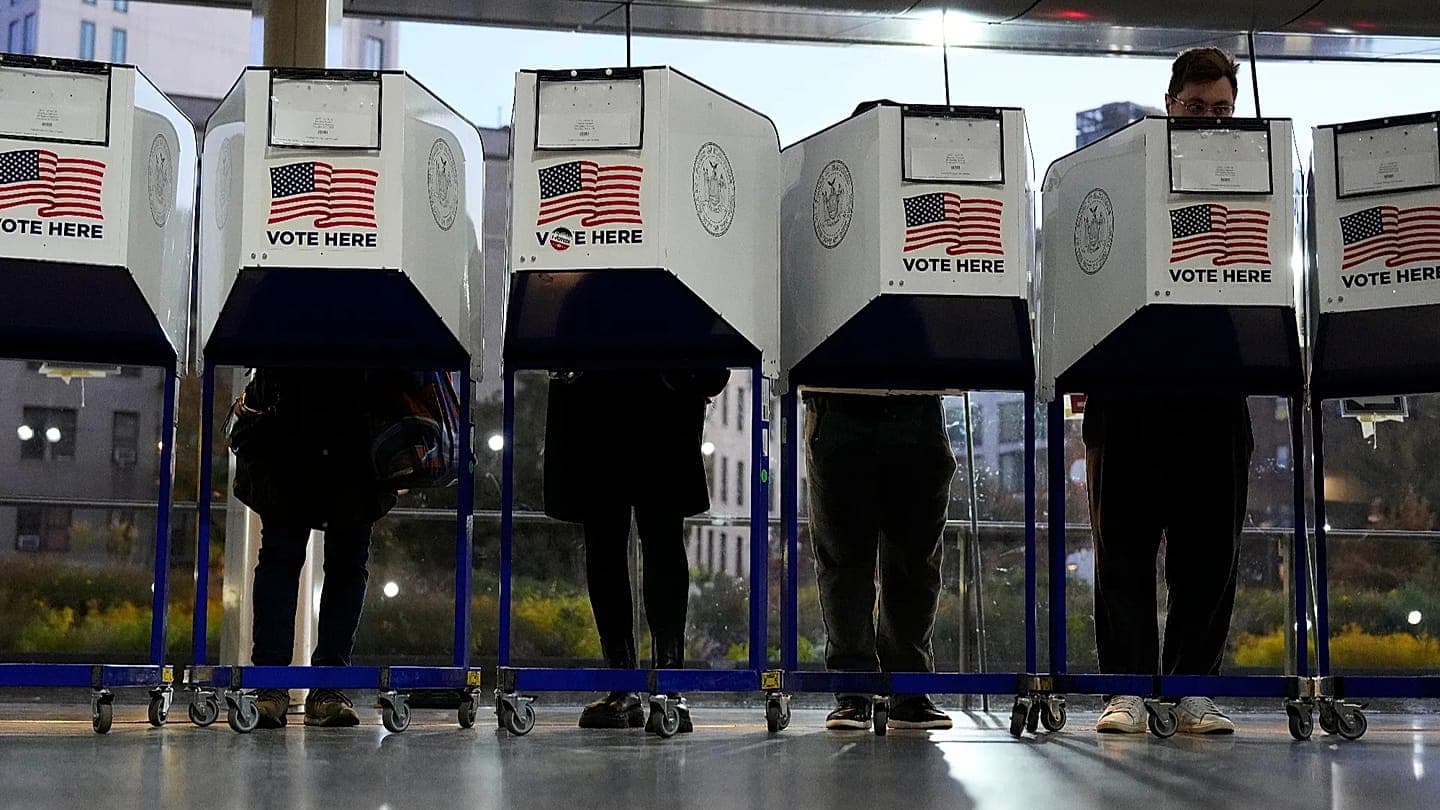
The Democrats' victory in the US congressional midterm elections on November 3, 2026 is expected to turn into large-scale investigations into the activities of President Donald Trump's administration. This is reported by the Financial Times , citing preparations by lawmakers: businesses are already bracing for probes and possible subpoenas to hearings. The party gained the ability to begin checks because for the first time in Trump's second presidential term it secured a majority in both the House of Representatives and the Senate, as Life.ru reported. According to Bloomberg's estimates on the morning of November 4, Democrats won at least 223 seats in the lower chamber, where 218 were needed, and were projected 54 seats in the upper chamber.
What exactly lawmakers intend to examine
The Democrats' main focus is on the White House's financial relations with the private sector. Congress members intend to examine transactions by Trump's relatives, possible use of government powers for personal enrichment, the allocation of budget funds, and administration decisions affecting economic and social policy. The main tool will be congressional subpoenas, which allow demanding documents and summoning witnesses: according to lawyers' assessments, the probes could touch on internal correspondence between companies and federal officials, the terms of contract awards, and the circumstances of government decision-making. Major American corporations that received government contracts and supported Republicans could come under close scrutiny.
Signals from future committee chairs
California House member Robert Garcia, who is seeking the post of chairman of the oversight committee, warned of the seriousness of his intentions: after the results were announced, he addressed Republicans with the words 'Hire lawyers.' Oregon Senator Ron Wyden, who may chair the upper chamber's finance committee, posted a single word on the social network X: 'Subpoenas.' The preparation began even before the vote — Democrats sent requests to organizations connected with Trump's circle. They are interested, in particular, in the business projects of the president's eldest son Donald Trump Jr., including the investment firm 1789 Capital, as well as businesspeople's relations with foreign sovereign funds. According to Reuters, companies that financed the construction of the new White House ballroom and business figures involved in major government contracts are also among possible targets of investigation: lawmakers want to find out whether there was a link between financial support for the administration and receiving commercial advantages.
The Epstein case and the start date of the new Congress
A separate line of inquiry will be the case of financier Jeffrey Epstein: back on October 25, Life.ru reported that Democrats intend to resume the investigation into his ties with influential politicians and businesspeople, and also to examine the role of the largest banks in servicing his financial transactions. Robert Garcia previously named the release of documents in this case as one of the future committee's priorities — Democrats are interested in materials from the US Department of Justice that have not been made public despite the completion of the official publication procedure; lawmakers do not rule out summoning representatives of financial institutions to hearings. The new Congress will begin work in January 2027: after that, Democrats will be able to independently set committee agendas, hold hearings, and demand documents. Lawyers expect that the confrontation over the probes could lead to protracted litigation between lawmakers and the administration.