The key facts
- Hackers gained access to the control units of refrigerators holding blood samples and programmed heating to 110°C instead of -30°C
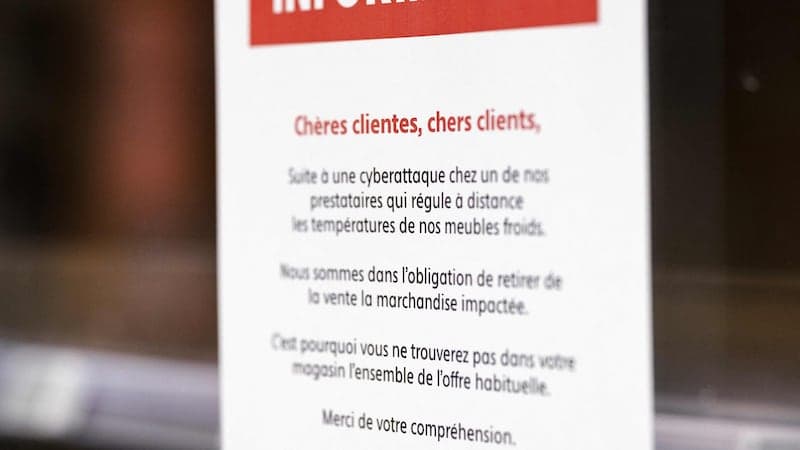
- The attack repeated an incident in French supermarkets three weeks earlier and affected stores in eight countries
- Coop in Sweden is moving systems to 5G and modern modems, disconnecting refrigerators from the internet
The attack went beyond retail
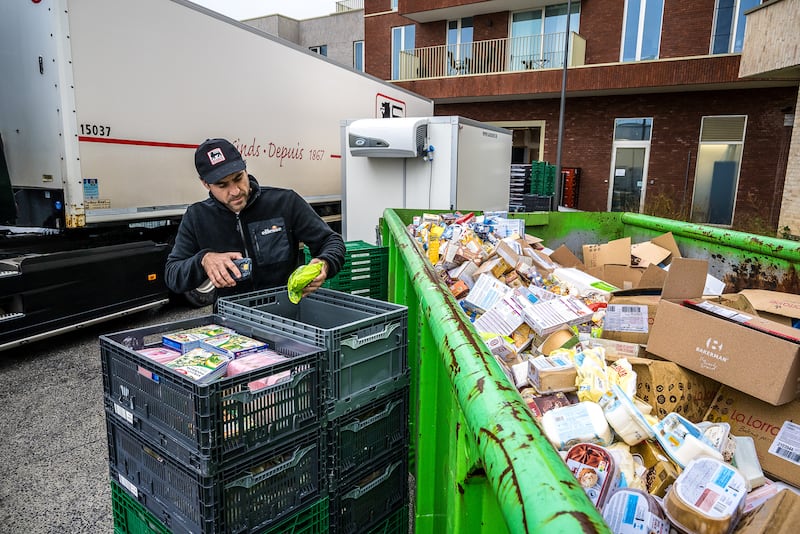
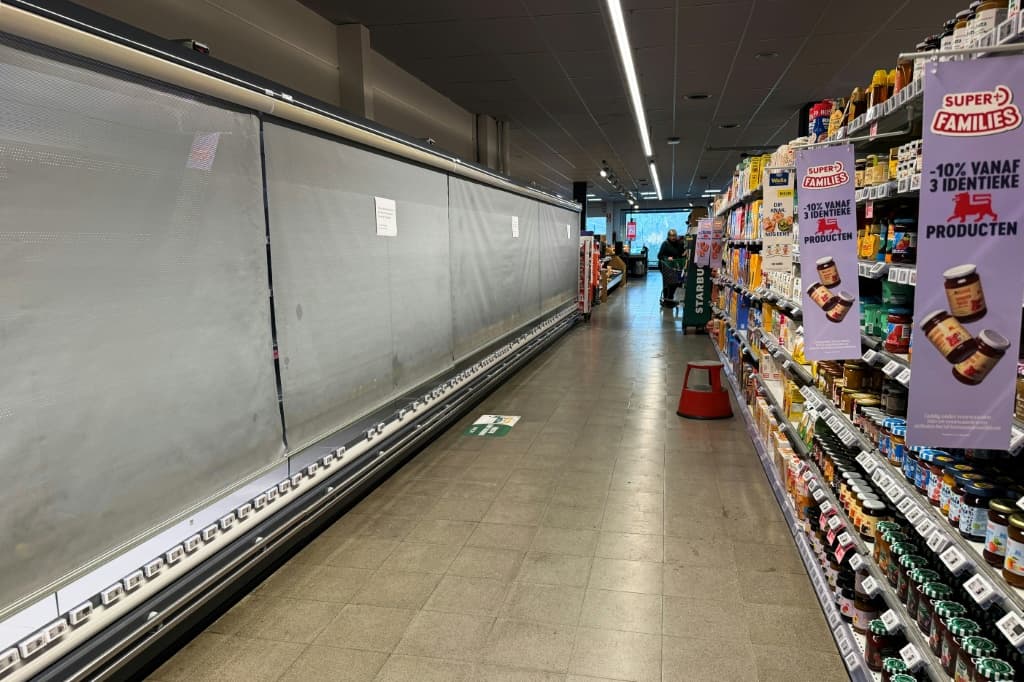
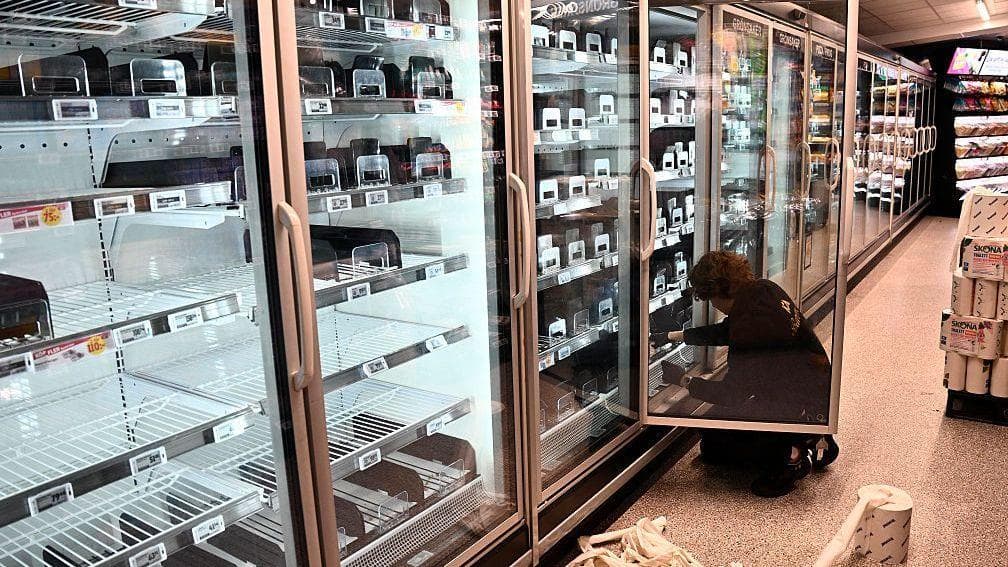
A cyberattack that caused supermarkets across Europe to throw away spoiled products has also affected the refrigeration facilities of the French national blood service. As The National reported, citing local media, hackers gained access to the control units of refrigerators holding blood samples and programmed them to heat up to 110°C. Coolworld, the company that stores containers for the French Blood Establishment (EFS) as part of a transfusion monitoring system, was among the victims — as reported by Le Canard.
The blood was saved by early detection
The rise in temperature from the usual -30°C was noticed in time, the organization said. The French Ministry of Health clarified that, thanks to the early detection, the incident had no operational consequences. This is the key point of the story: unlike the supermarkets, where products were thrown away, here the monitoring system worked before the contents were spoiled.
Second wave and retailers' response
The attack on Monday affected stores in eight European countries and was identical to the one that hit dozens of supermarkets in France three weeks ago — this is already the second wave, and retailers are rushing to modernize their systems. The Swedish chain Coop is moving its refrigeration equipment from 4G to 5G networks and modern modems — the process began after the French incident. Seven affected stores of the chain are operating again, but their refrigeration systems are disconnected from the internet; a spokesperson said the company is checking its entire store network for vulnerabilities 'quite thoroughly and in depth'. Software provider Danfoss, whose systems were again among those attacked, said it has been in close contact with customers for three weeks and recommends not making systems directly accessible via the internet.
Recommendations and assessments
'Retailers need to act now: determine whether their refrigerator controllers are vulnerable, check their internet connection, make sure they have the latest security updates and manufacturer support. And if they don't even know — take them off the public internet immediately,' urged Frank Groenewegen, a cybersecurity expert at Deloitte in The Hague. According to him, disconnection does not eliminate the root cause, but it isolates the systems from the attacker. German operator Edeka, whose store in Reischach was hacked, noted that its network of independent retailers has no standardized refrigeration systems. The ENISA agency said the scale of attacks on retail in several countries underscores the importance of European cooperation, rapid information sharing and coordinated response. In Britain, according to Richard Horne, head of the National Cyber Security Centre (NCSC), hackers attempted to attack small meat processing businesses, but the impact was minimal; he called the attack on supermarket refrigerators an early sign of increasingly frequent disruptions, as outdated technology cannot keep up with hackers.