The key facts
- At least four Coop stores — three in Catania and one in Palermo — were affected by an attack on the remote monitoring system of freezer displays
- Acn recorded incidents at a Tuscan collective catering company and at a frozen food producer in Emilia
- The attacks in Europe began on 12 October in France; no one has yet claimed responsibility
Italian stores threw away spoiled products
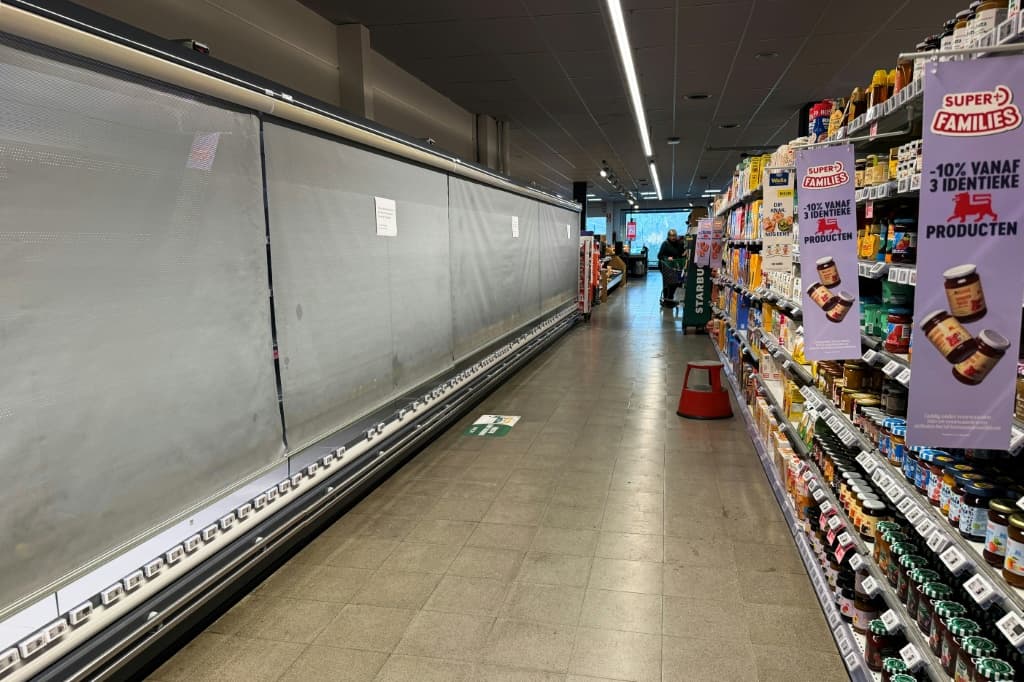
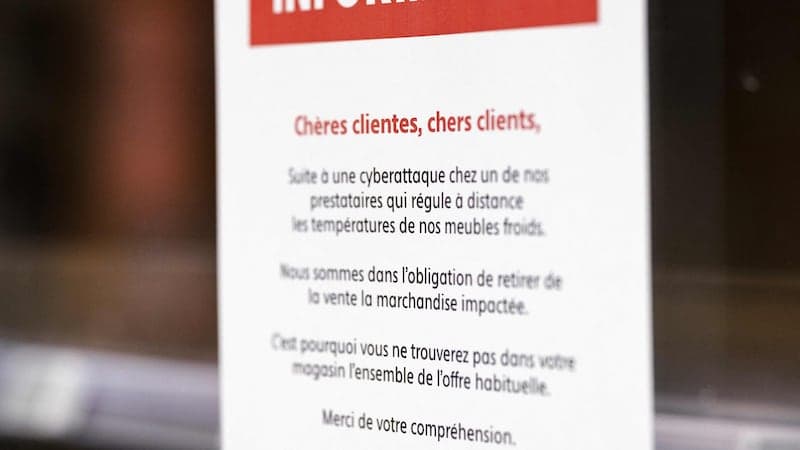
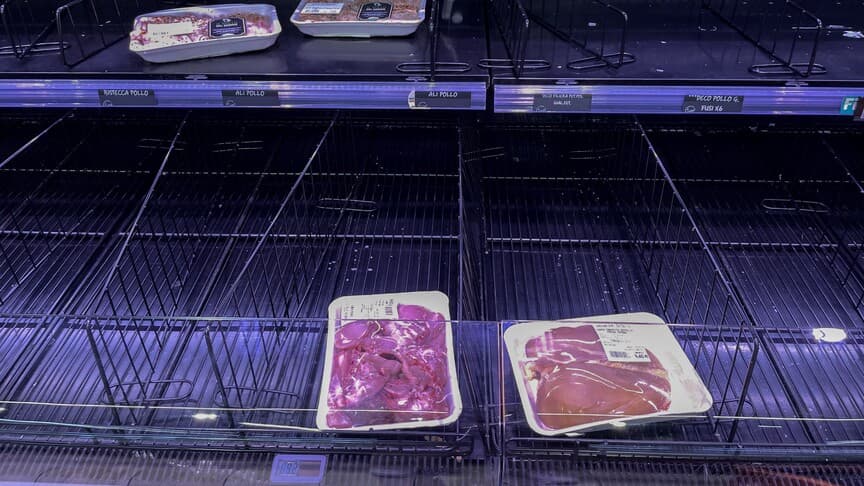
A hacker attack that affected about a hundred supermarkets in Sweden, Belgium, Luxembourg, Estonia and Ireland has also reached Italy. In at least four stores of the Coop chain — three in Catania and one in Palermo — an alleged cyberattack raised the temperature in the cooling systems, forcing the owners to throw away the warmed-up products. Giuseppe Spadaro, general manager of the Radenza group, which operates Coop supermarkets, first reported this to the Ansa news agency, and then Danilo Radenza, CEO of Coop Radenza, confirmed that the attack targeted the remote monitoring system of the freezer displays and that, according to the inspection, there was no other damage.
Scale and the authorities' response
According to Spadaro, the cybercrime police are establishing the origin and scale of the attacks and checking for links to incidents in other European countries; the damage is still being assessed, and the problem has already been fixed in some stores. The National Cybersecurity Agency (Acn) said it had received notification of an incident at a Tuscan collective catering company and recorded an attack on a frozen food producer in Emilia. The Parliamentary Committee for the Security of the Republic (Copasir) requested information from the government, while Palazzo Chigi convened a meeting with the participation of the Acn director and the heads of the intelligence services, coordinated by Deputy Prime Minister Alfredo Mantovano.
What is known about the wave of attacks and Acn's recommendations
The attacks took place at around four in the morning and raised the temperature in the refrigerators of affected European supermarkets to more than 50 degrees, so that by opening time the stores were throwing away perishable products. The European Union called the situation 'extremely alarming'. The first known attack of this wave struck France's largest supermarket chains on 12 October and caused losses in the millions of euros; no one has yet claimed responsibility, but, according to euronews, there is now little doubt that the episodes are interconnected. Acn recommended that retailers promptly check whether their control and remote support systems are exposed to the internet, strengthen remote access with VPN and multi-factor authentication, review privileged accounts, and update or replace devices that are no longer supported by their manufacturers. A meeting between the agency, industry federations and the largest retail companies is scheduled for the day after publication.