The key facts
- NCSC confirmed 'a couple of cases' of vulnerability exploitation in the UK
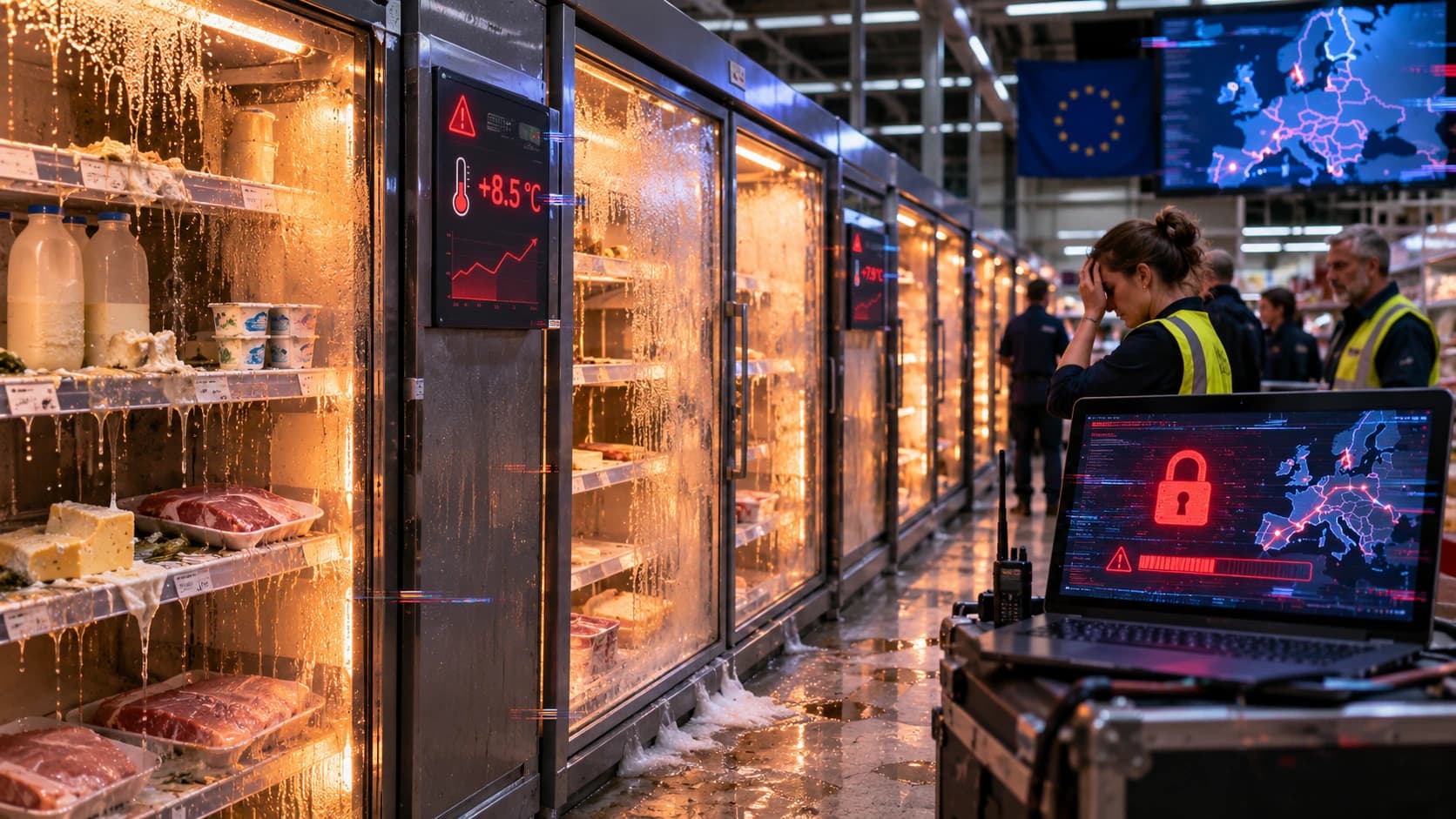
- Refrigerators at two British meat suppliers began defrosting, while cooling units at a third heated up to 100 °C
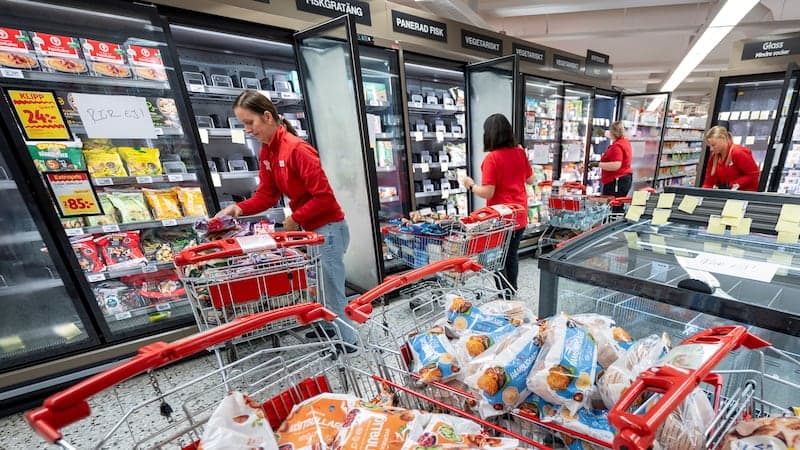
- Around 40 Delhaize supermarkets in Belgium and Luxembourg were affected on Monday, forcing disposal of spoiled products
The attack extended beyond supermarkets
A cyberattack that raised temperatures in supermarket refrigerators and freezers on Monday in Ireland, Sweden, Estonia, Belgium, and several other countries also affected the British food supply chain. The UK's National Cyber Security Centre (NCSC) reported it is aware of 'a couple of cases' where vulnerable equipment was exploited in the country; its head, Richard Horne, said the centre 'worked through the night' warning potentially affected organisations, according to BBC News.
What happened to British suppliers
The Association of Independent Meat Suppliers (AIMS) told the BBC that some of its more than 300 members unexpectedly became, in its words, 'collateral damage' of the attacks. Refrigerators at two members began defrosting, while cooling units at another heated up to 100 °C. According to AIMS representative Tony Gudge, the devices were empty at the time, so products were not damaged; however, he urged businesses to remain vigilant and noted that the incident should remind all participants in the food chain that they could be targeted.
Scale of the European incident
On Monday around 40 Delhaize supermarkets in Belgium and Luxembourg were affected by the attack, with fewer stores impacted in Sweden, Ireland, the Netherlands, Estonia, and Finland. The Belgian company Sabcobel, which manufactures some of the affected refrigerators, explained that the evaporators of the units were switched to defrost mode, causing them to heat up. The same method is believed to have been used in early October attacks on supermarkets and food suppliers in France, where hundreds of stores were affected overnight and the volume of spoiled fresh and frozen goods was estimated at millions of euros. Many retailers were forced to discard spoiled items, with some reporting losses amounting to hundreds of thousands of euros.
Who is behind the attacks and what authorities say
Who is behind the attacks remains unknown: Horne said on Tuesday it is 'too early' to comment. He emphasised that the incident highlights the need to update the technologies society relies on, noting that many companies use systems beyond their service life and fail to isolate them from the internet. According to him, such vulnerabilities are 'low-hanging fruit' for hackers, and artificial intelligence in the hands of adversaries enables them to find and exploit these weaknesses faster and more easily. NCSC Operations Director Paul Chichester stated during a presentation of the annual report that the impact on the UK so far is minimal and the centre is working with organisations to close existing vulnerabilities before they can be exploited. A British retailer consortium, including Asda, Lidl, M&S, Sainsbury's, and Tesco, reported that retailers are investing in cybersecurity and collaborating with the NCSC to protect refrigeration equipment. So far, there are almost no signs of similar impact in British supermarkets themselves.
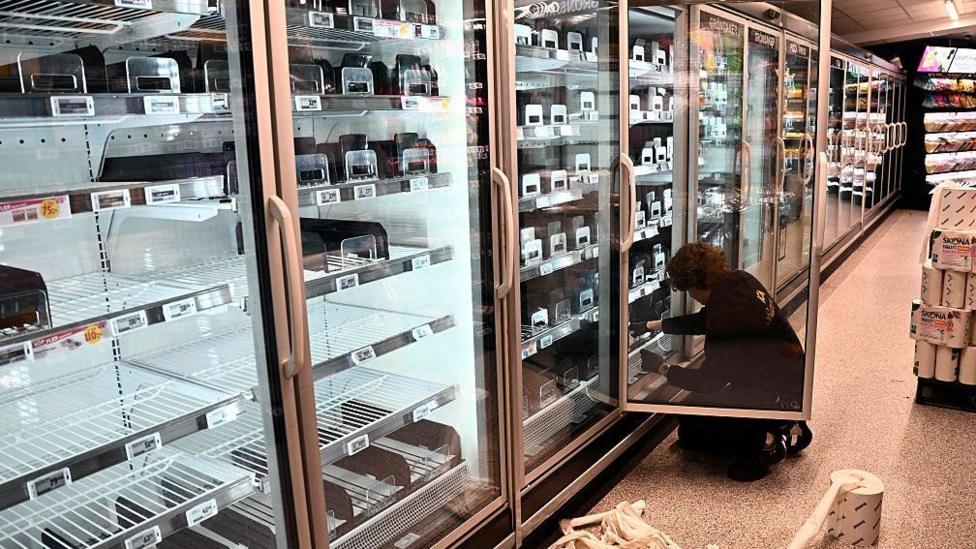 Image source, AFP via Getty Images
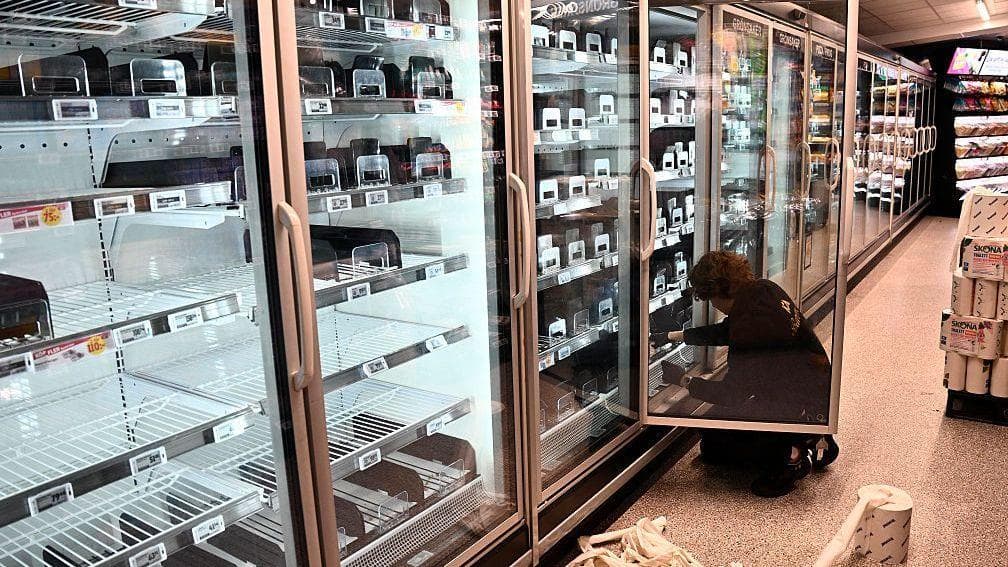
Sweden was among countries to report a cyber incident in which some supermarket fridge units had been hiked up in temperature
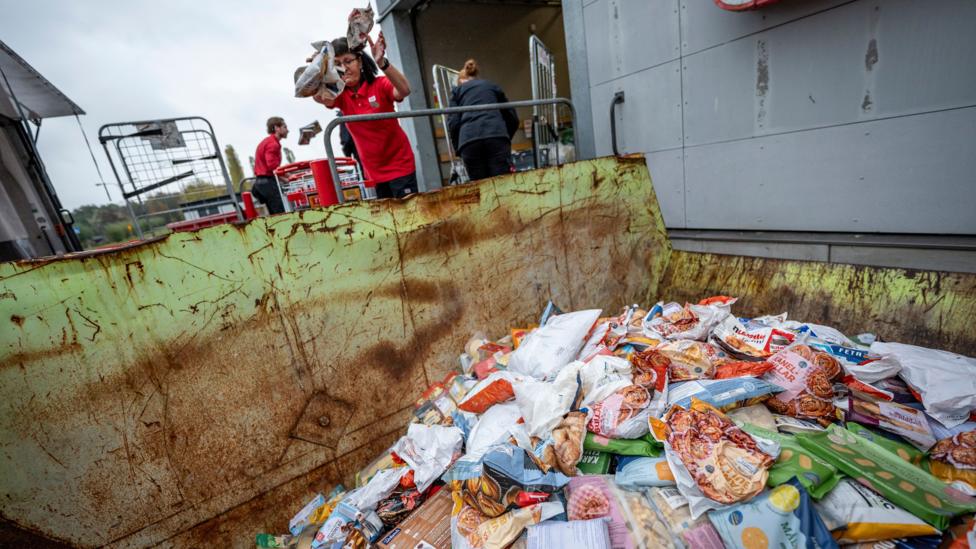 Image source, EPA