The key facts
- Democrats won North Carolina, cutting the Republican Senate majority to 53–47
- Polymarket rates the Democrats' chances of winning the House at 100% and the Senate at 99%
- Tokyo's Nikkei fell 3.6%, the dollar weakened against the yen and the euro; Trump threatened to block bills with vetoes
Elections as a referendum and early results
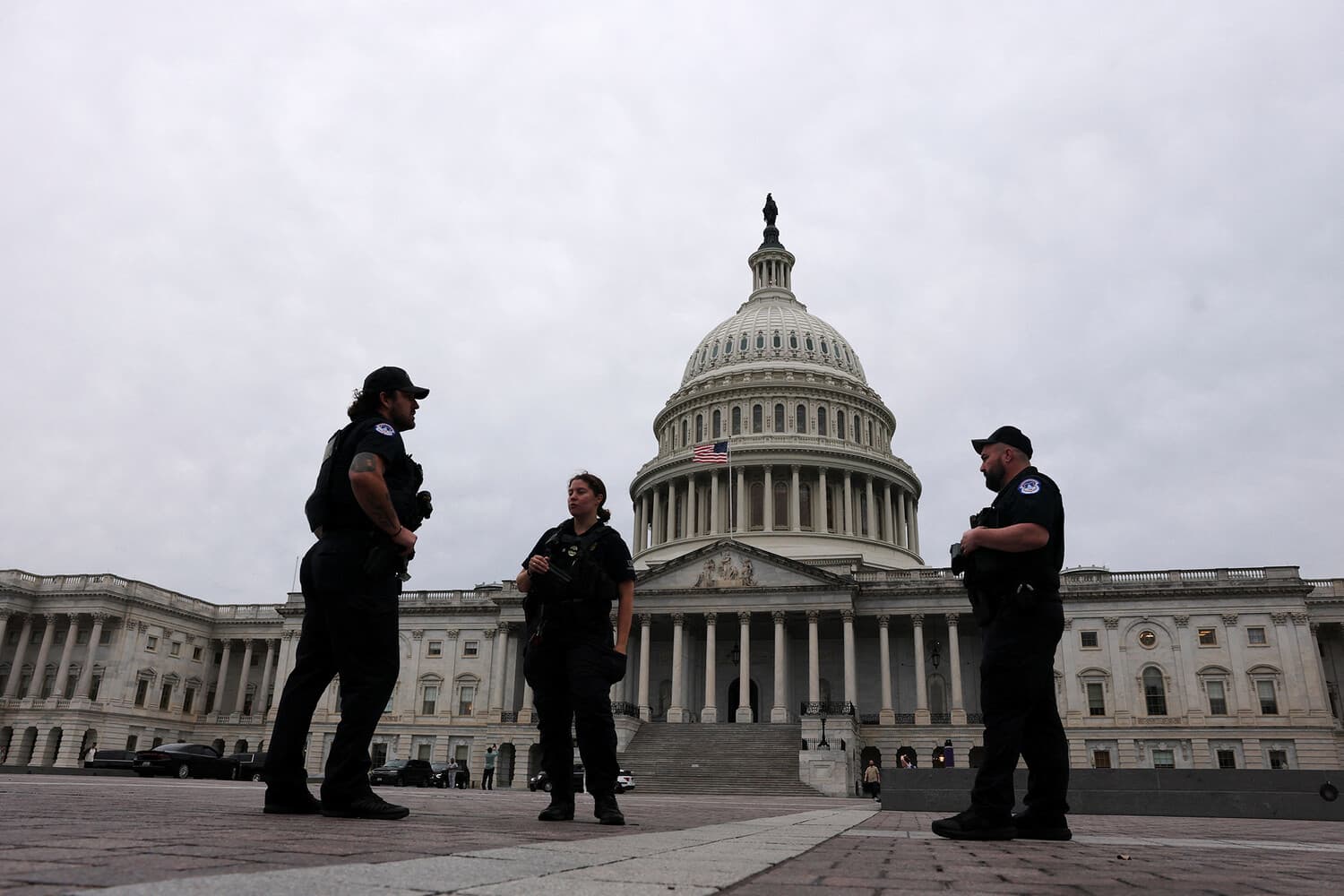
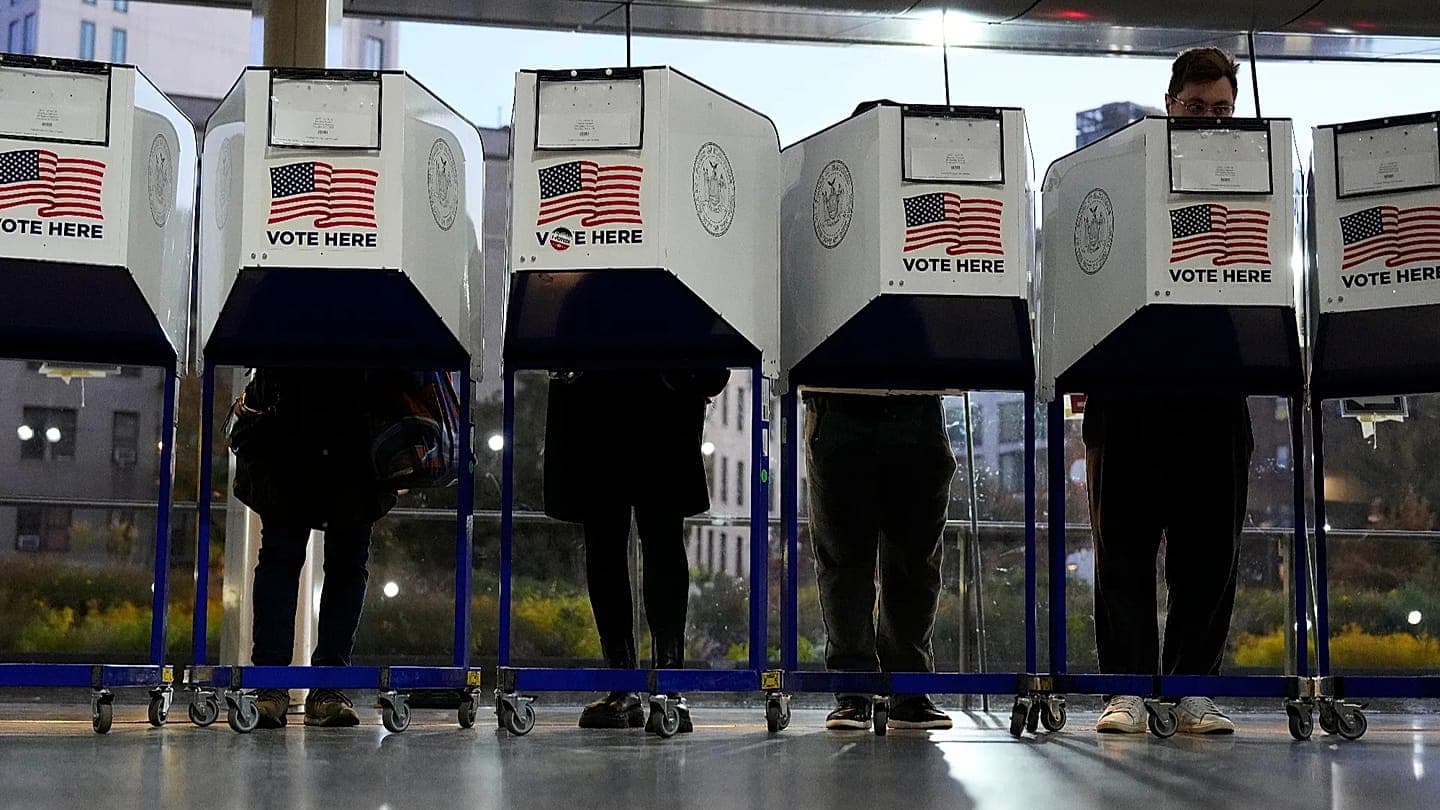
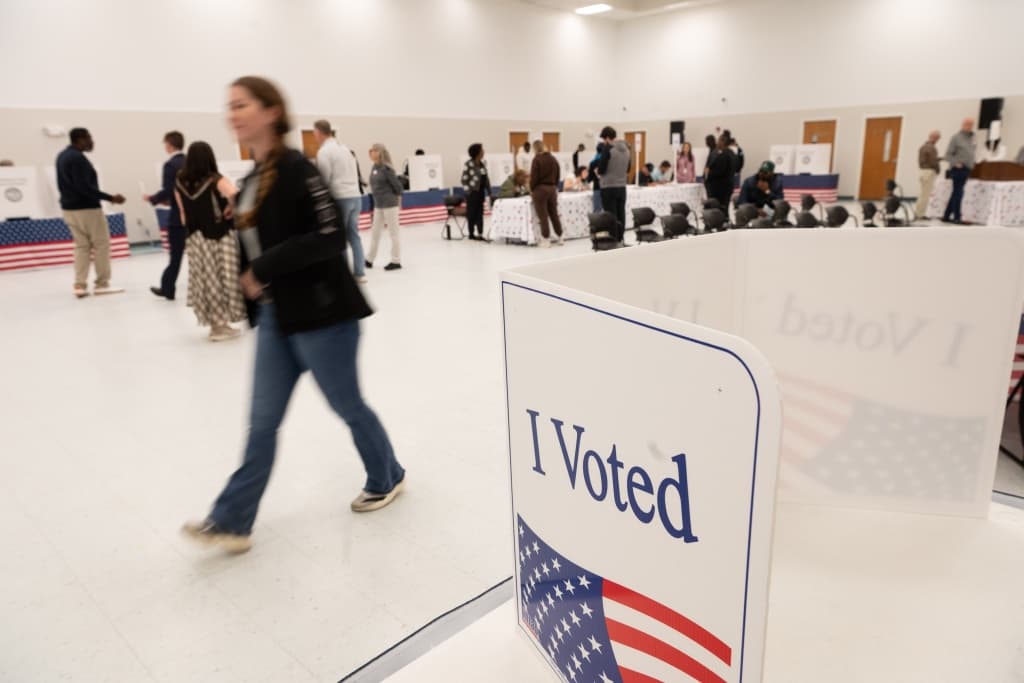
The US midterm elections, which the media framed as a referendum against the backdrop of rising gasoline prices, tariffs and the war with Iran, brought the Democratic Party major early gains, AFP reports. Although the Republicans' loss of control of the House of Representatives was considered expected, the fate of the Senate remained uncertain — the Democrats' chances rose after their victory in North Carolina, an important gain in the fight against the Republican majority of 53–47. The prediction market Polymarket put the probability of the Democrats taking the House at 100% and the Senate at 99%.
Market reaction
On Wednesday, Asian stock indexes and the dollar fell amid the prospect of a 'divided government'. Tokyo's Nikkei 225 dropped 3.6% to 60,835.36, and the yen strengthened against the dollar (158.06), which pressures exporters; losses were also recorded in Hong Kong, Shanghai, Sydney, Seoul, Singapore and Taipei. The dollar weakened against the euro ($1.1249) and the pound ($1.3465). Observers note that congressional gridlock would curb spending; according to Bridget Hurana of Wellington Management, divided government is 'historically quite good' for Treasury bonds. Additional pressure on tech stocks comes from doubts about the returns on AI investments: Kioxia in Tokyo lost more than 13%, Advantest and SoftBank over 8%, SK hynix in Seoul up to 3%, and Samsung almost 2%. Oil continued Tuesday's decline: WTI fell 0.5% to $96.65, Brent 0.2% to $103.41.
Political consequences and Iran
A Democratic victory, analysts believe, would deal a serious blow to Trump's agenda in the final two years of his time in the White House and would likely mean that 'almost nothing gets done' in Washington. Chris Weston of Pepperstone noted that a narrow 'blue wave' is already largely priced in, but a decisive victory would force markets to reassess the rest of Trump's political agenda and the trajectory toward 2028, raising the risks of legislative deadlock, fiscal standoffs, debt ceiling disputes and congressional investigations. At the same time, he stressed that the president would retain significant executive powers, so the consequences for individual sectors are ambiguous. Trump himself, in a phone interview with CBS on Tuesday, threatened to become 'Mr. Veto' and block any Democratic bills if they won. Amid the elections, investors are watching the Middle East: Trump confirmed US strikes on Iran but downplayed rumors of a resumption of bombing after the elections, telling the Financial Times: 'We are ready, we are loaded, if we have to go, but maybe there is no reason for that.' Iranian President Masoud Pezeshkian said the government is trying to resolve the crisis 'through dialogue', while chief negotiator Mohammad Bagher Ghalibaf declared readiness 'for battle with a finger on the trigger', and Deputy Foreign Minister Kazem Gharibabadi reminded of Tehran's right to 'legitimate self-defense'.