The key facts
- All 435 House seats, 35 of 100 Senate seats and governorships in 36 states are up for grabs
- Decision Desk HQ forecast: 241 seats for Democrats in the House and 52–48 in the Senate
- The campaign cost more than $11 billion in political advertising; Elon Musk invested nearly half a billion in Republicans
The elections as a verdict on Trump's policies
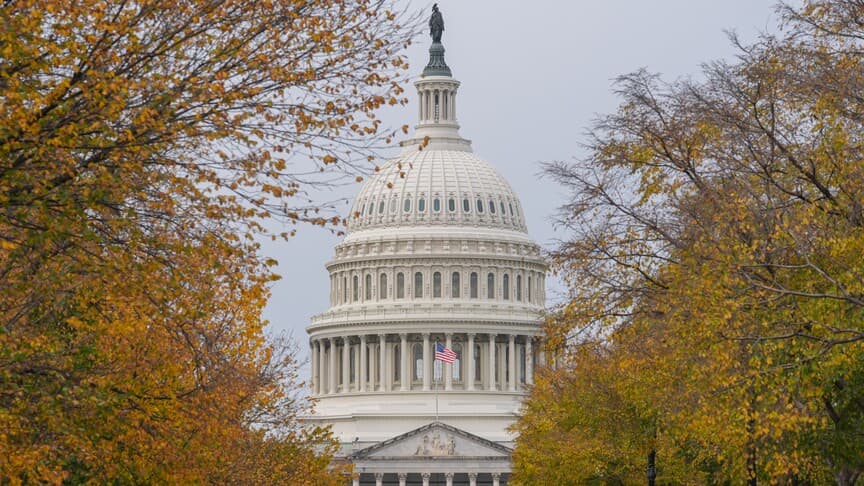
On Tuesday, polling stations began closing in the United States in the midterm elections, which, according to AFP, could shake Donald Trump's grip on Washington. Democrats need to gain just three additional seats in the House of Representatives and a net gain of four seats in the Senate to take both chambers from the Republicans. Losing the House would deprive Trump of the ability to advance his legislative agenda and open the way for Democrats to launch sweeping investigations of his administration, while defeat in the Senate would complicate the confirmation of Supreme Court justices and top officials.
Voter sentiment and the parties' arguments
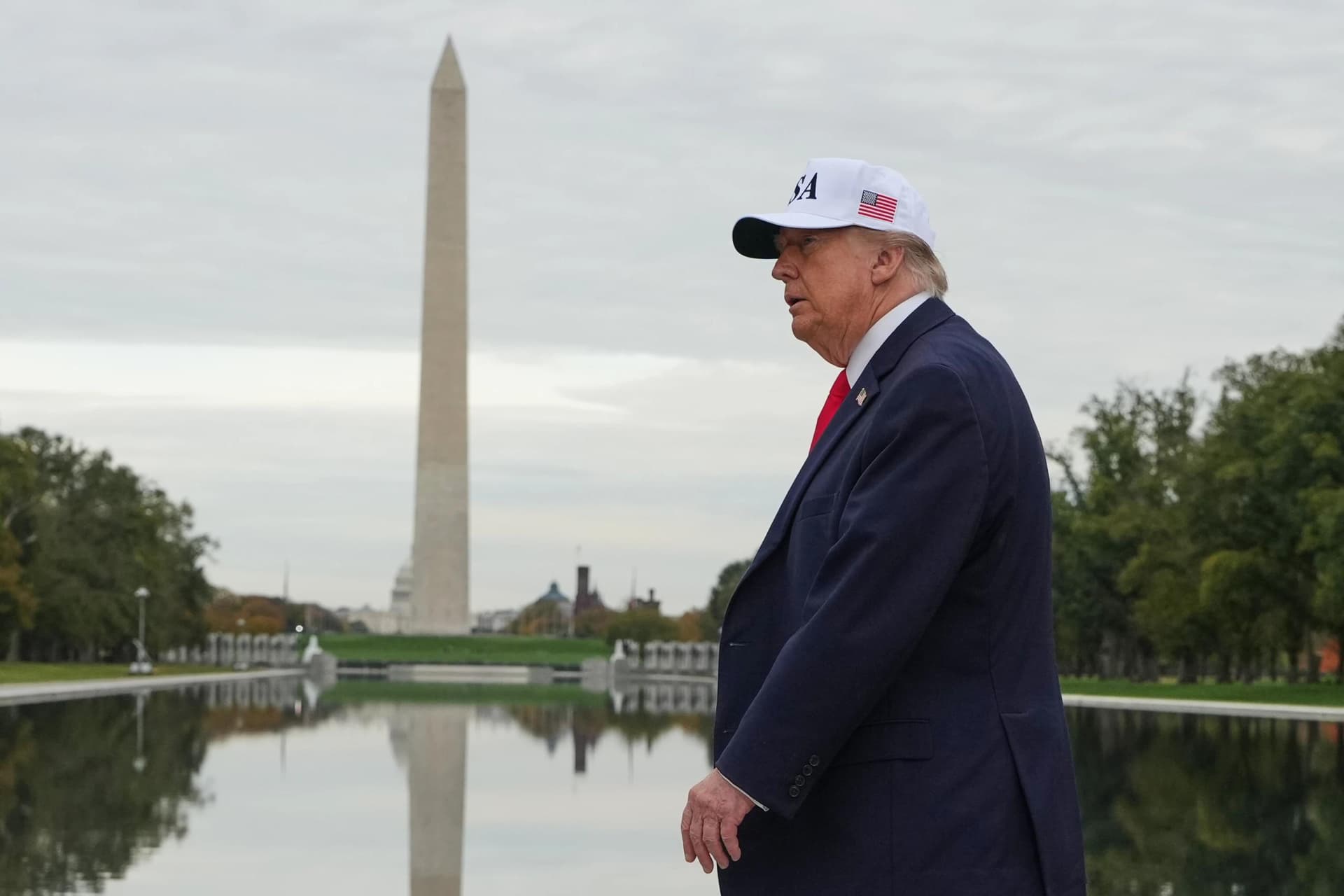
The campaign has effectively turned into a nationwide assessment of Trump's performance: according to AFP, voter sentiment is turning against Republicans amid rising living costs and the war with Iran. The approval rating of the 80-year-old president hovers around the low 30 percent range. Trump himself, in his final television appearance, defended his legacy, claiming that he had
The Senate picture and the money
The Senate remains a difficult target for Democrats: Republicans hold a 53–47 majority, although voter discontent has expanded the battlefield to traditionally conservative Kansas, Texas, Iowa, Ohio and Alaska. At the same time, Democrats have to defend competitive seats, including in Michigan, where, due to an internal conflict, Congresswoman Haley Stevens backed the Republican Mike Rogers rather than the Democratic candidate Abdul El-Sayed. The final Decision Desk HQ forecast gives Democrats 241 seats in the House against 194 for Republicans, and a narrower 52–48 majority in the Senate. More than $11 billion has been spent on political advertising for the campaign, with Trump's ally Elon Musk pouring nearly half a billion dollars into Republican efforts.
The question of accepting the results
Observers expressed concern that Republicans, and above all Trump, might refuse to accept defeat: he, who tried to challenge the results of the 2020 election, has repeatedly claimed widespread fraud and accused Democrats of cheating without evidence. On Tuesday, voting machines malfunctioned in one of the contested districts in New York State, prompting right-wing influencers to make unfounded accusations of fraud, although local election commissions insisted that all ballots would be counted. The results of the vote remained unknown at the time of publication.