The key facts
- Trial launch of Apple Intelligence in China began on November 4, with public access in December
- 18 features are initially available, but without the updated Siri
- Apple received regulatory approval only in July, with Alibaba (Qwen) chosen as its partner
Trial launch after two years of waiting
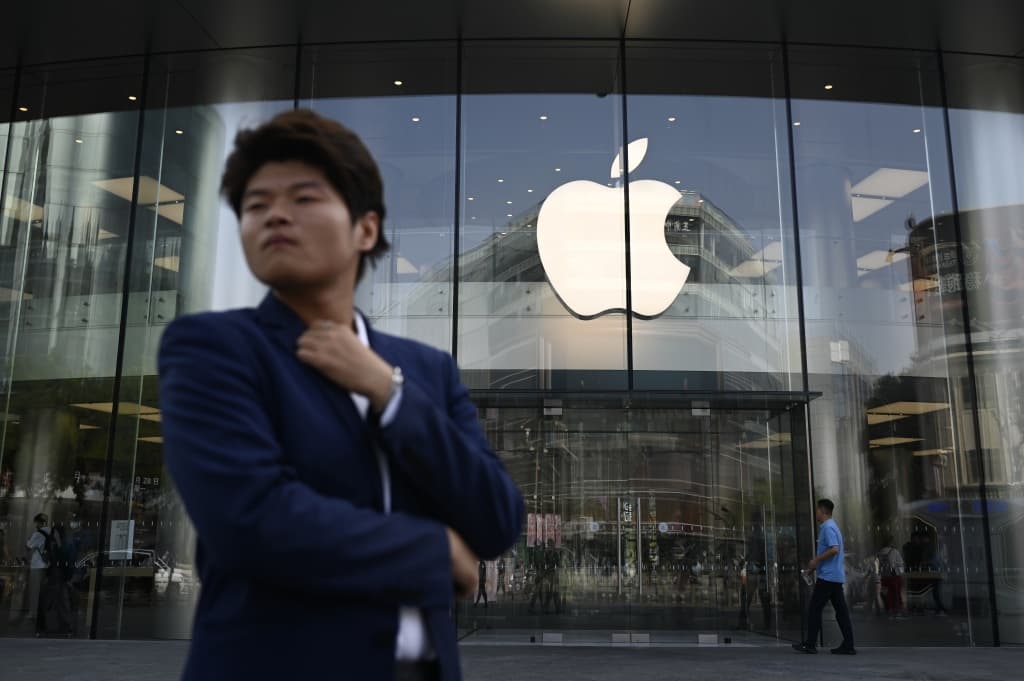
On November 4, Apple began in China the long-delayed trial launch of its own AI tools, Apple Intelligence, AFP reports. Access is currently open only to developers; according to a statement the company made over the weekend, public access to the services in China will open in December. Apple Intelligence features first launched in the US and other countries in the fall of 2024 — it was Apple's first major step into generative AI, but in China the launch was held back by strict regulatory requirements and the unavailability of models from Google and OpenAI, which Apple uses in other countries.
What is included in the release and on what terms
The initial release includes 18 AI features — from live translation of phone calls to summarization and message-screening tools — but without the latest update to the Siri voice assistant. Chinese rules require AI service providers to register with the internet regulator, use local data centers, and process data within the country. Apple received regulatory approval only in July, after reports of talks with Alibaba, Baidu, ByteDance and Tencent about a partnership. In the end, the company announced work with Alibaba's Qwen to integrate more powerful AI features alongside its own basic capabilities.
Competitive landscape and analysts' assessments
Counterpoint Research analyst Ivan Lam called the launch a filling of a long-standing gap in Apple's AI offering, but noted that it does not necessarily give the company a meaningful advantage in an oversaturated market. iiMedia founder Zhang Yi, in a comment to AFP, assessed the work with local partners as a 'structural concession' by Apple on pricing and control over the AI experience in the Chinese market; according to him, the delay was due not to a lag in development but to 'compliance costs.' According to Omdia, more than 110 million iPhones in China support Apple Intelligence, creating a base for rapid adoption; however, Omdia senior analyst Zhong Xiaolei pointed out that Chinese phone makers and internet companies are actively developing their own AI features and agentic ecosystems. AFP also notes Apple's revenue growth in the Greater China region (including Hong Kong and Taiwan) of 21% over the past quarter, and that new CEO John Ternus still faces serious challenges in a changing market.