The key facts
- Republicans suffered a heavy defeat in the midterms, weakening Trump
- Brussels counts on 'checks and balances' but not on a return to funding Ukraine
- The EU will continue digital regulation and hopes for dialogue with Congress on AI and cybersecurity
Relief in Brussels without guarantees of change
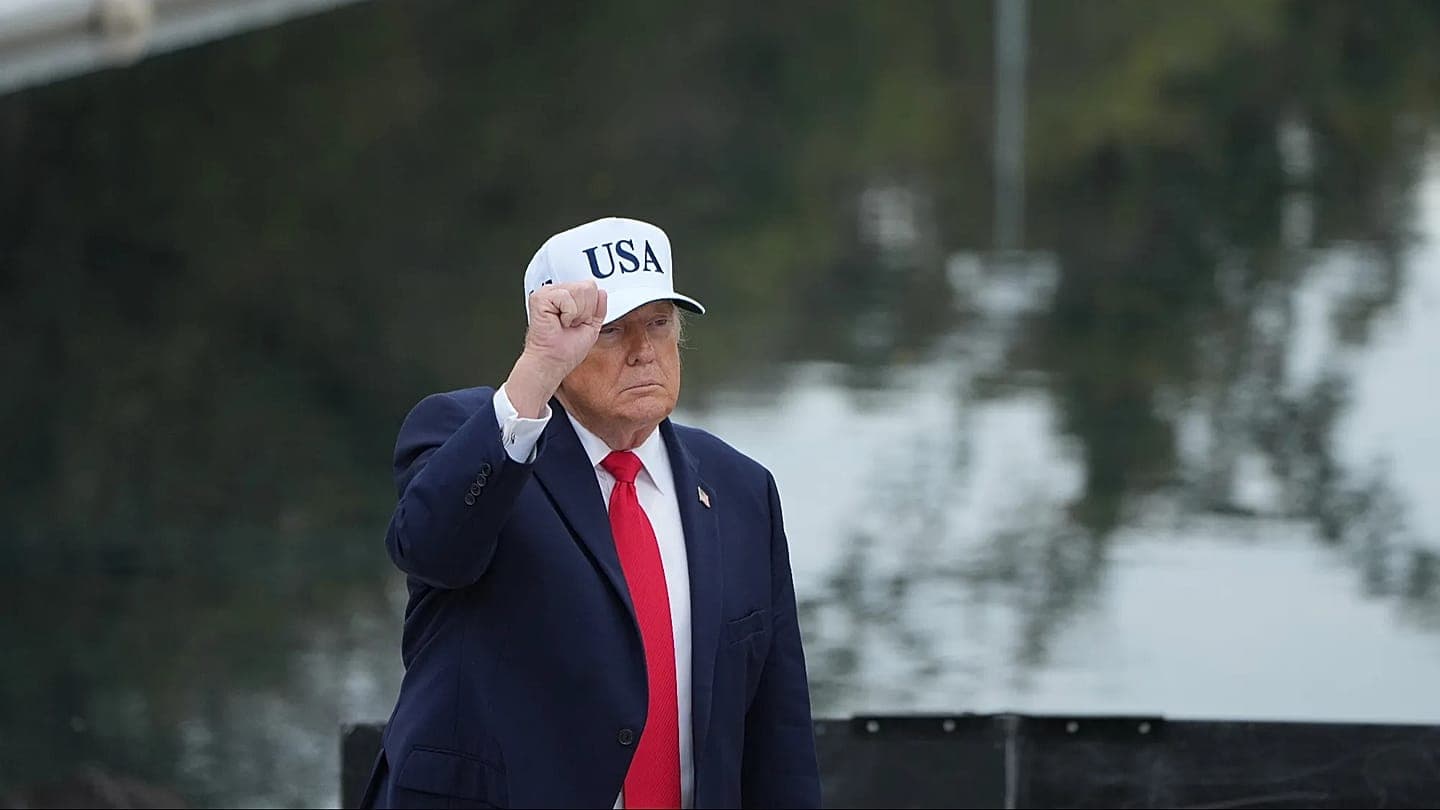
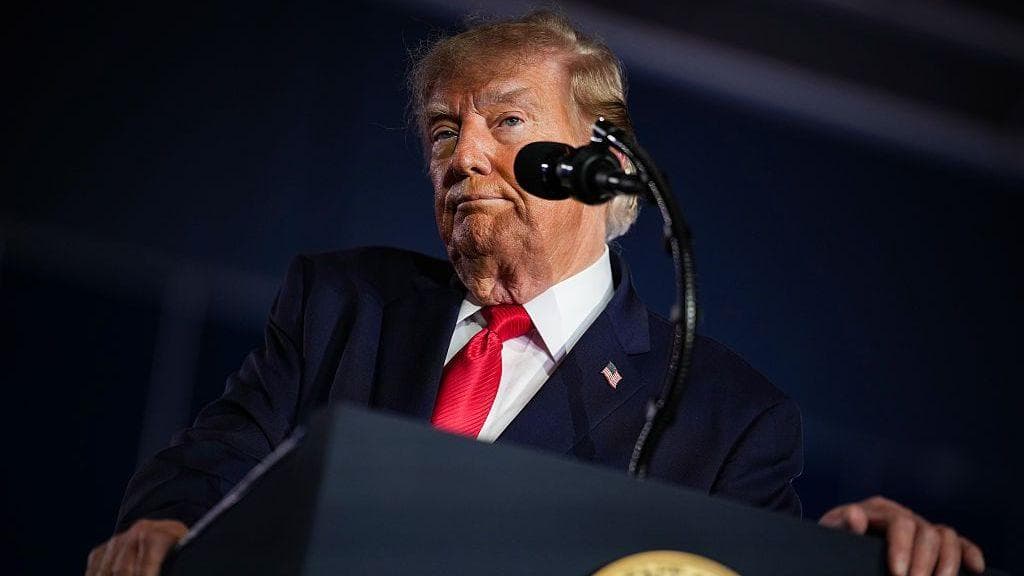
Republicans suffered an unexpectedly heavy defeat in the US midterm elections, weakening President Donald Trump. This is reported by AFP citing diplomats in Brussels who spoke on condition of anonymity. One of them called the result 'the beginning of the end of the Trump era' and added that 'no one is happier than the Europeans.' A second senior EU diplomat expressed the hope that 'with checks and balances, some trust in the American system will return.'
Foreign policy may remain in the hands of the White House
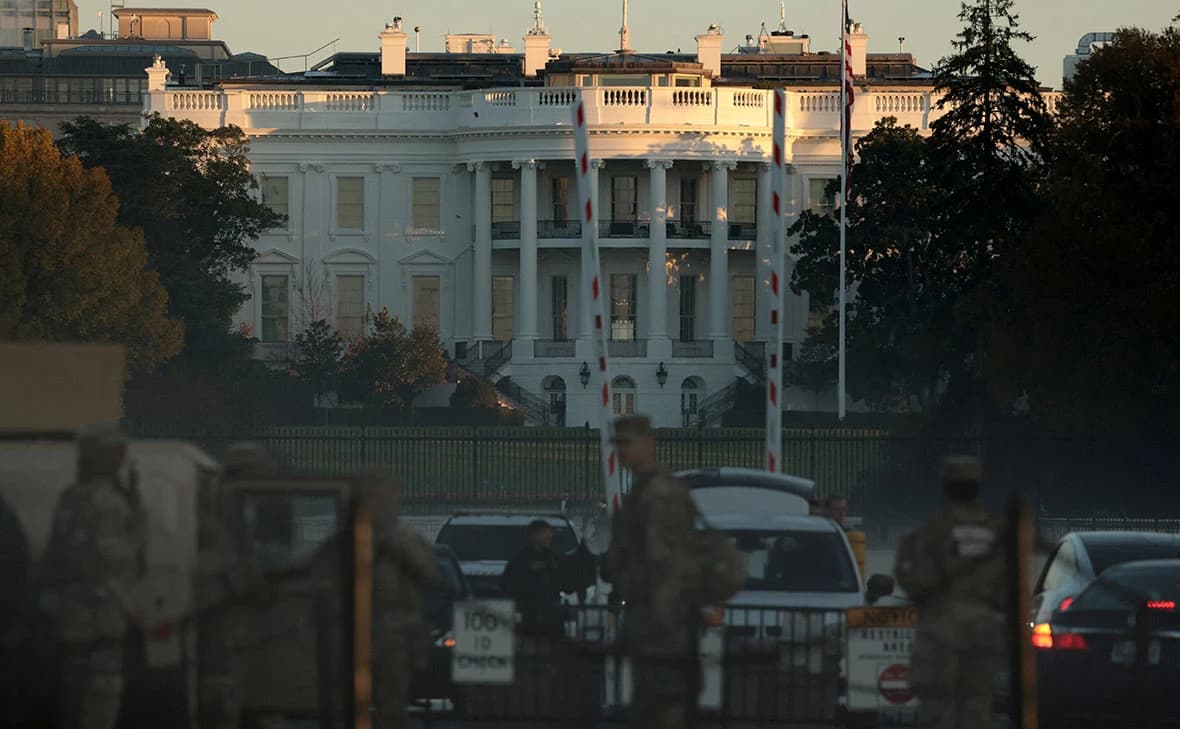
At the same time, diplomats do not expect the US turn 'inward' to stop. A third diplomat suggested that the US will, on the contrary, focus on the internal struggle between the White House and Congress, while on the international stage Trump will retain a 'free hand' — he 'still holds executive powers and ignores Congress.' According to AFP's assessment, Trump may become even more aggressive in foreign policy.
Ukraine: hopes for Congress, but not for money
Europe especially wants a change in Washington's approach to the war in Ukraine: before the elections, Trump again spoke harshly about Kyiv and drew closer to Moscow. A Democratic victory will bring a louder majority of Kyiv's supporters into Congress, which could pressure Trump. However, according to AFP sources, a return of the US to the role of Ukraine's major financial donor should not be expected: officials in Brussels are focused on closing a €70 billion ($79 billion) shortfall in Kyiv's finances next year and are pushing Britain, Canada and Japan to do more, without counting on the US.
Middle East, NATO and tariffs
The consequences of Trump's war with Iran continue to fuel inflation in Europe, and the continent is watching the Middle East with alarm: in recent days Washington has carried out new strikes, and there are fears of escalation now that the elections are over. Uncertainty is added by Israel, where Trump's ally Benjamin Netanyahu is conducting his own post-election coalition bargaining. In NATO, Europeans are awaiting the results of the Pentagon's review of American forces on the continent, which is expected to be presented in December; diplomats previously said the midterm elections would not affect the outcome. At the same time, Democrats are threatening to attack Defense Secretary Pete Hegseth — one of the most hawkish voices toward Europe in the Pentagon. Despite this, Europeans say they are not abandoning the greater responsibility for their own security they have taken on.
Tariffs and big tech
No repeal of tariffs — one of Trump's central economic policies — is expected in Brussels. Democrats, fighting inflation, may try to roll back some measures, but some will likely remain: according to a recent poll by the Washington-based Council on Foreign Relations, only a quarter of Americans support removing all tariffs on the EU. In the field of technology regulation, the EU hopes that the Democrats' promise to curb Silicon Valley's influence will ease pressure on European rules. An EU official told AFP: 'We will not change the enforcement of our digital rules and do not expect changes on such issues from the White House,' but expects 'more space for discussion and cooperation with Congress' on shared challenges such as AI and cybersecurity.