The key facts
- The Republicans lost the midterm elections, losing both chambers of Congress, which limits Trump's options at home.
- Republicans lost the midterm elections, losing both chambers of Congress, which limits Trump's options at home.
- As president and commander-in-chief, Trump retains broad powers in the military sphere; on the eve of the election the US carried out a limited strike on an Iranian island in the Persian Gulf.
- The speaker of Iran's parliament warned that Americans voted against war; the Kremlin expressed hope that the election results would not affect Trump's 'peacemaking efforts'.
- The speaker of Iran's parliament warned that Americans voted against war; the Kremlin expressed hope that the election results would not affect Trump's 'peace-making efforts'.
A defeat that limits his power only at home
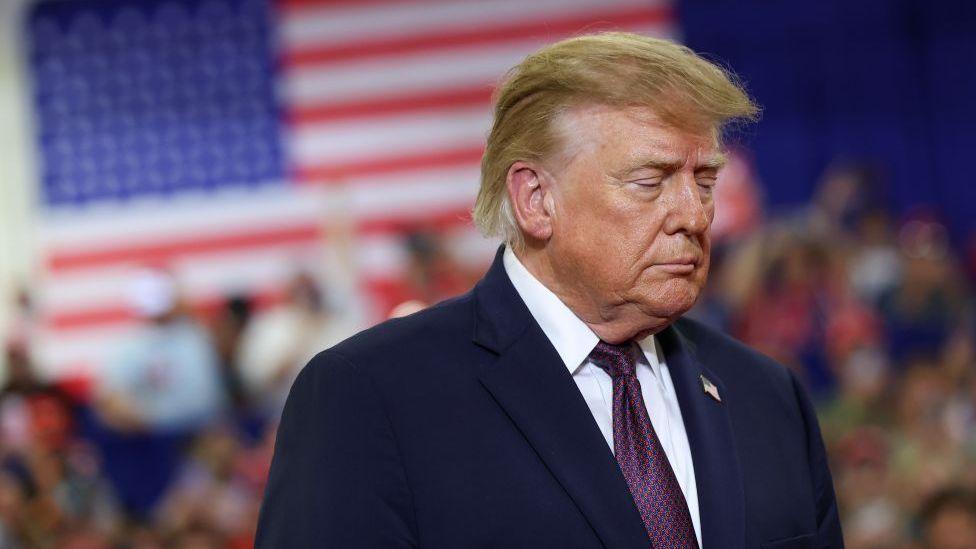
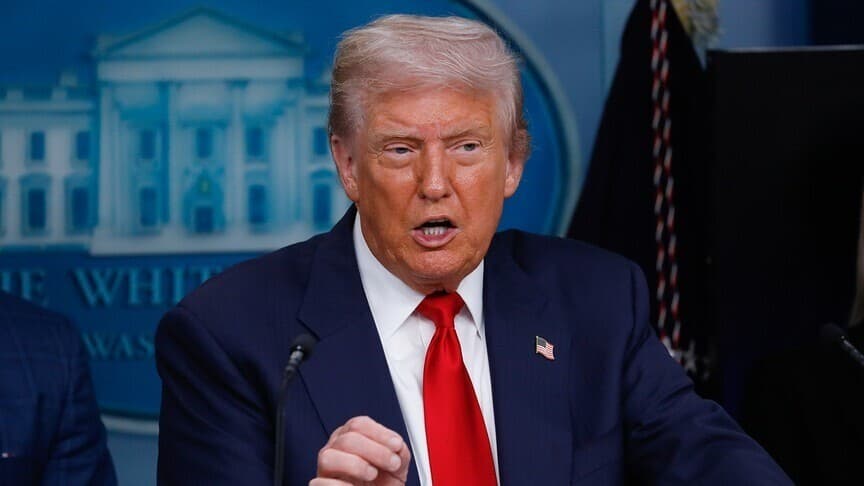
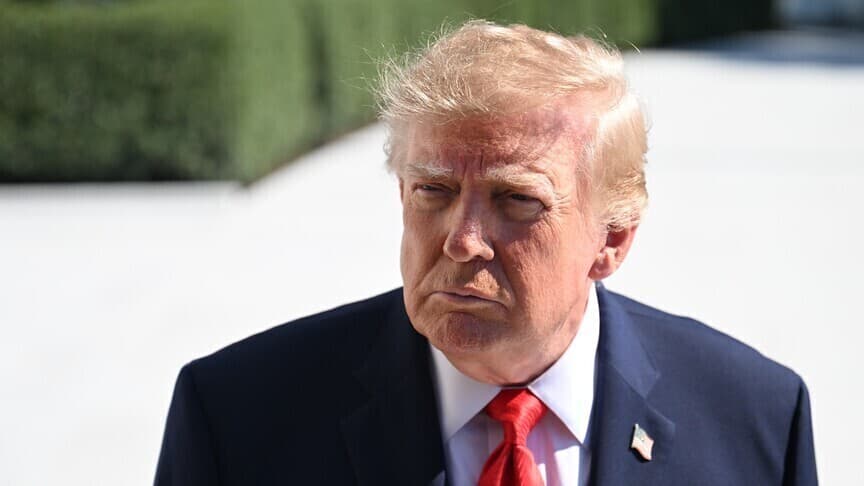
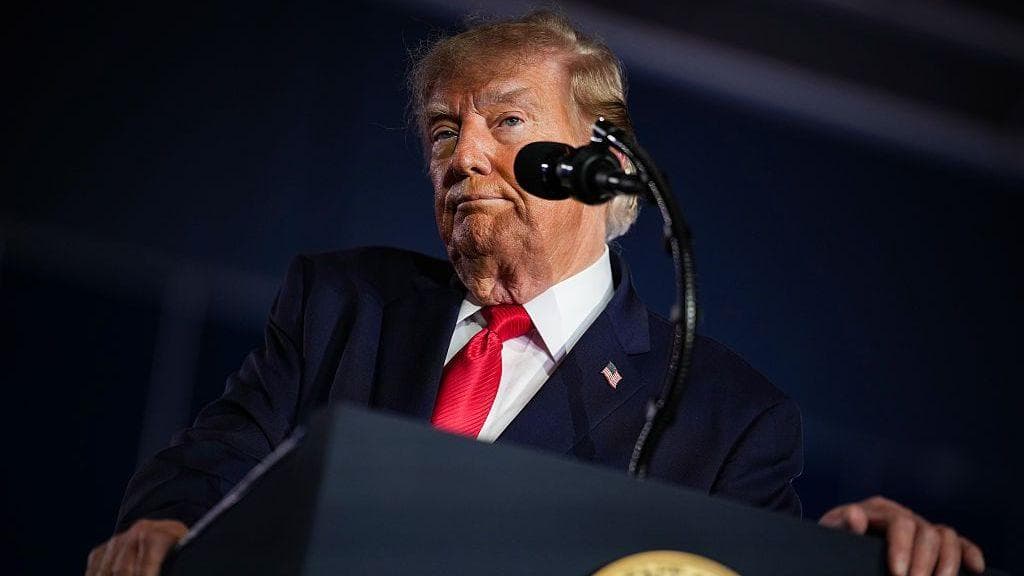
In the US midterm elections, voters handed Donald Trump a major defeat: the Republicans lost both chambers of Congress. This limits his ability to 'dictate, manoeuvre and destabilise' at home, writes BBC international editor Jeremy Bowen. Abroad, however, the picture is different in his assessment: as president and commander-in-chief, Trump retains broad powers to use American military force. According to the BBC, Trump himself acknowledged that the Democrats 'did a good job' in the elections, although he had previously insisted that the loss was explained only by the fact that his own name was not on the ballot.
The Iranian conflict as a domestic political factor
In the weeks before the election, the deployment of American forces and Trump's bellicose statements fuelled talk of a possible US return to war with Iran. On the eve of the vote, the US carried out a limited bombardment of an Iranian island in the Persian Gulf. Democrat Senator Chris Murphy, who attended a closed briefing on military options, called the plans 'insane' and warned of 'devastating escalation'; according to published reports, strikes on civilian infrastructure were discussed, which, as Bowen notes, would constitute a war crime and could trigger Iranian retaliation against US allies in the Gulf, starting with the UAE. Tehran makes no secret of its satisfaction that the consequences of its blockade of the Strait of Hormuz and the rising prices of petrol, diesel and fertiliser have become a domestic political problem in the US. Speaker of Iran's parliament Mohammad Bagher Ghalibaf wrote on social media: 'Conscience or the cost of living — Americans said NO to war, and we support this message. If the US government betrays the will of the people for international customers and blackmailers, it will learn that our NO comes with a Nightmare.' Israeli Prime Minister Benjamin Netanyahu, who since last week's election has been negotiating the formation of a government and does not have enough seats with his former coalition, repeats that he wants the overthrow of the Iranian regime; according to Israeli and American media reports, he is pushing Trump towards a new war.
Ukraine: sanctions eased, pressure on Kyiv may grow
The second major conflict to which Trump may turn his attention is the Russia-Ukraine war, which has lasted longer than the First World War. Before the election he lifted sanctions against Moscow in order to buy Russian diesel, and may expand the easing in the hope of reducing economic pressure on American consumers. At the same time, Bowen notes, Trump has shown no noticeable concern over ballistic missile strikes on Ukrainian civilians, which are happening ever more often, because Kyiv's requests for additional American interceptors, funded by European allies, are not being met in sufficient volume. The Kremlin spokesman said that Russia hopes the election results will not affect Trump's 'peacemaking efforts'. Trump has consistently pressed Ukrainian President Volodymyr Zelensky for territorial concessions to Russia in exchange for an agreement that Bowen characterises as a capitulation for Kyiv; after the election defeat, Trump may double down on this pressure.
What is known and what remains uncertain
Bowen stresses that predicting Trump's actions is difficult: in the presidency he has turned policy U-turns into an instrument, and his reaction to the defeat may take the form of actions abroad that he can be proud of as 'decisive and victorious'. The voting results and the breakdown by state have been compiled by the BBC into maps and charts, and Republican critics within the party, according to the outlet, blamed the defeat on Trump himself. The author warns that any predictions of his next steps risk being wrong, but is sure of one thing: Trump does not intend to passively wait out the end of his term.
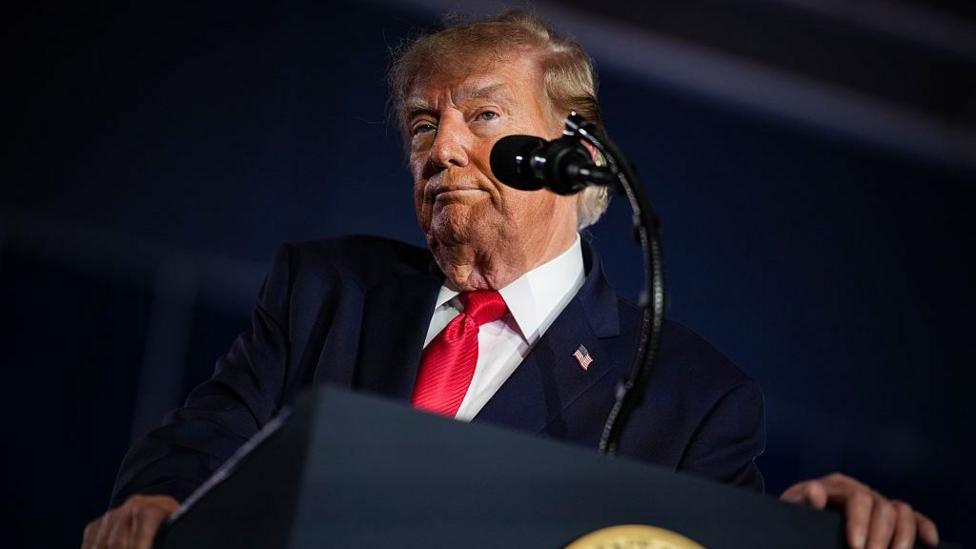 Image source, Getty Images

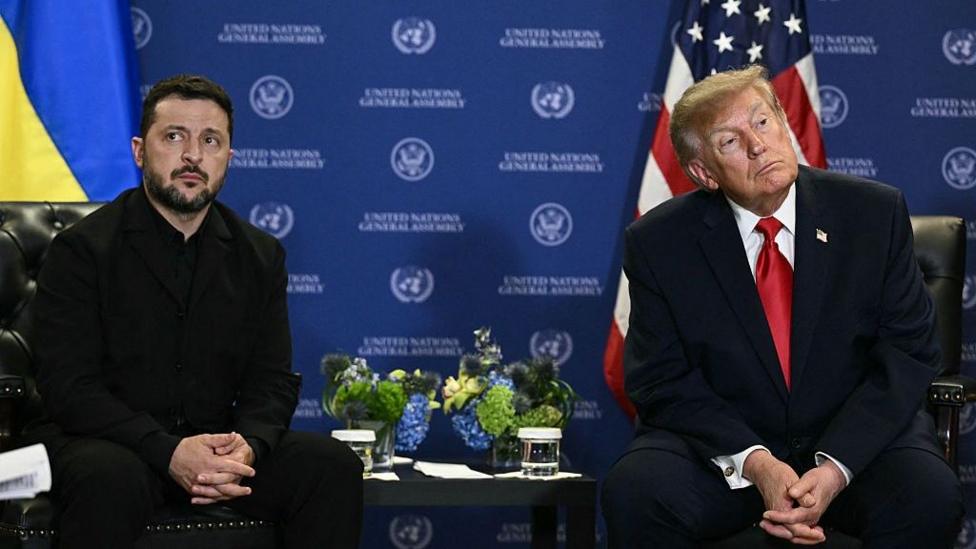 Image source, Getty Images