The key facts
- Democrats gained control of both chambers of Congress and governorships — one of the heaviest defeats for Republicans in modern US history
- Democrats took control of both chambers of Congress and governorships — one of the heaviest defeats for Republicans in modern US history
- For Europe, the main risk is escalation around Iran and a blocked Strait of Hormuz; on Ukraine, by contrast, a shift toward continued military aid is possible
- Trade policy will barely change: tariffs remain under the president's control, and the EU is seeking exemptions from the July 2025 deal
An electoral rout and a question for Europe
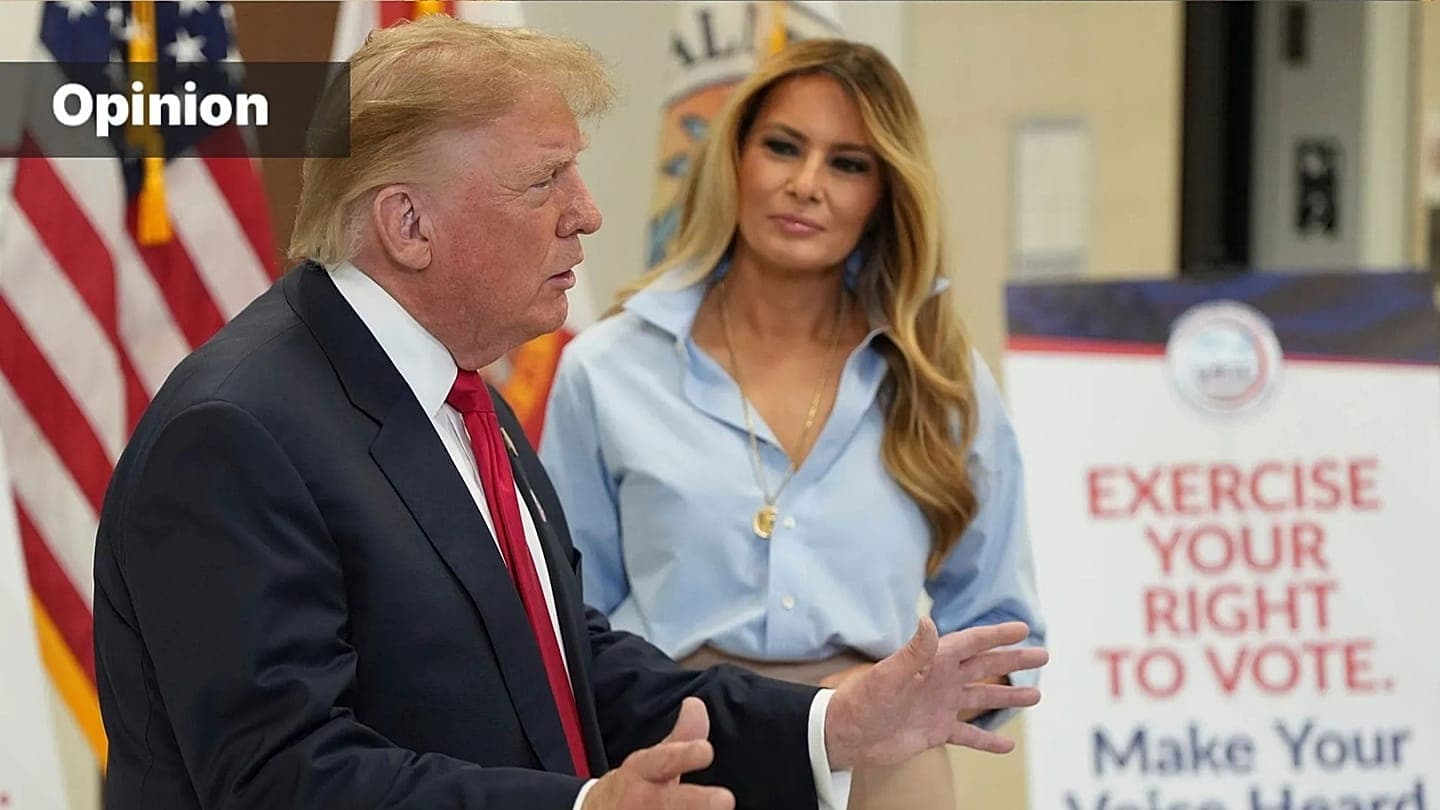
The 2026 midterm elections delivered one of the heaviest defeats in modern American political history to the Republicans: Democrats gained control of both chambers of Congress and won governorships across the country. Trump himself was not on the ballot, but voters, according to Euronews, delivered a verdict on his unpopular administration. The president now has the final two years of his term with weakened powers and a strengthened opposition. For Brussels, the main question is posed by an anonymous EU diplomat in a conversation with the outlet: will a weakened Trump become more dangerous. “He will be more of a ‘mad dog’ than a ‘lame duck’,” the diplomat said, contrasting the situation with the traditional image of a president restrained by a hostile Congress. MEP Brando Benifei, who leads the delegation for relations with the US, expects an “even more unpredictable foreign policy,” with decisions on Ukraine and the Middle East affecting Europe deeply.
Iran and the energy crisis: no quick relief expected
The war in Iran, which began on 28 February and plunged Europe into an energy crisis, is among the main concerns of European diplomats. Iran has almost completely blocked the Strait of Hormuz since the start of the war (apart from a brief opening in June), and shipping restrictions continue to drive up energy prices. The biggest breakthrough for the EU would be an agreement between Washington and Tehran to reopen the strait. Romanian MEP Virgil-Daniel Popescu noted that the elections themselves will not lower prices — what matters is whether the US and Iran are moving toward de-escalation. After the defeat, Trump, according to Bloomberg, downplayed the likelihood of new strikes on Iran, hinting at possible de-escalation while stating that the US remains “ready.” Dimitar Likov, an expert at the Wilfried Martens Centre for European Studies, is sceptical: given Trump's chaotic military intervention and Benjamin Netanyahu's desperate domestic position, he “does not see this happening any time soon.” Congress could pressure the president: it holds the constitutional power to declare war and can pass legislation ending US participation in military operations, but Trump can veto it, and overriding a veto requires two-thirds of the votes in both chambers — difficult to achieve even after the Democrats' victory.
Ukraine: hope for smoother deliveries
For Ukraine, the election results may signal a shift. The elections took place against the backdrop of deteriorating relations between Washington and Kyiv: Trump was criticised for allowing Russian diesel imports into the US and for easing sanctions against Moscow. A Democratic Congress is expected to pressure the president to maintain military support for Ukraine — above all deliveries of air defence systems and ballistic missile interceptors — and to take a tougher stance toward Moscow. “We hope this change will lead to smoother delivery of military aid to Ukraine,” Euronews quotes the diplomat as saying. Volodymyr Zelensky did not publicly comment on the results; speaking in Berlin on Tuesday, before the results were announced, he emphasised the importance of continued support from the US and Europe. Russia, for its part, expressed hope that the election outcome would not affect Trump's negotiating efforts on what Moscow calls a “peaceful settlement.” Constraints remain serious: Democrats need bipartisan consensus to overcome the Senate filibuster, and their influence on the White House's diplomatic talks with Moscow will be limited.
NATO and trade: what changes and what does not
The defeat may temper Trump's loud threats to withdraw American troops from Europe, but it is unlikely to halt the gradual military distancing of the US from the continent. In May, the US announced the withdrawal of 5,000 troops from Germanyand in June launched a six-month review of its presence in Europe, which will conclude around the end of the year. At the same time, the Pentagon cannot go below 76,000 troops in Europe in 2026 without formally certifying to Congress that this would not harm US or NATO security. A Democrat-controlled House of Representatives could serve as a 'short-term parachute', but will not change, in Euronews' wording, the understanding that Europe can no longer rely on the United States for its own security. 'A shift in the balance of power does not guarantee change. Europe must continue to do more for its own defence,' said David McAllister, chair of the European Parliament's foreign affairs committee. In trade, change is unlikely: tariffs and trade deals remain under the president's control. The deal concluded in July 2025 is in force, with a 15% tariff on most EU goods and a commitment by Brussels to drop tariffs on American industrial goods. Trade Commissioner Maroš Šefčovič said on Wednesday that upholding the 'Turnberry deal' is of paramount importance and that he continues regular contacts with his American counterparts; the EU is seeking exemptions from the 15% tariffs and a reduction of the 50% steel tariffs. Some MEPs are calling for the deal to be renegotiated while Trump is weakened: 'Tariffs have significantly worsened the conditions for European exports' access to the US market. This agreement needs to be revised,' said Pasquale Tridico of the Left group.