The key facts
- Preliminary midterm results point to a Democratic advantage in both chambers of Congress
- The midterm elections point to a shift in favour of the Democrats in both chambers of Congress
- Expert Josef Braml believes Trump will compensate for domestic weakening by demonstrating strength on the world stage
- Expert Josef Braml believes Trump will compensate for his domestic weakening by demonstrating strength on the world stage
- The elections effectively open the 2028 race between JD Vance and Marco Rubio
Weakened at home — more active abroad
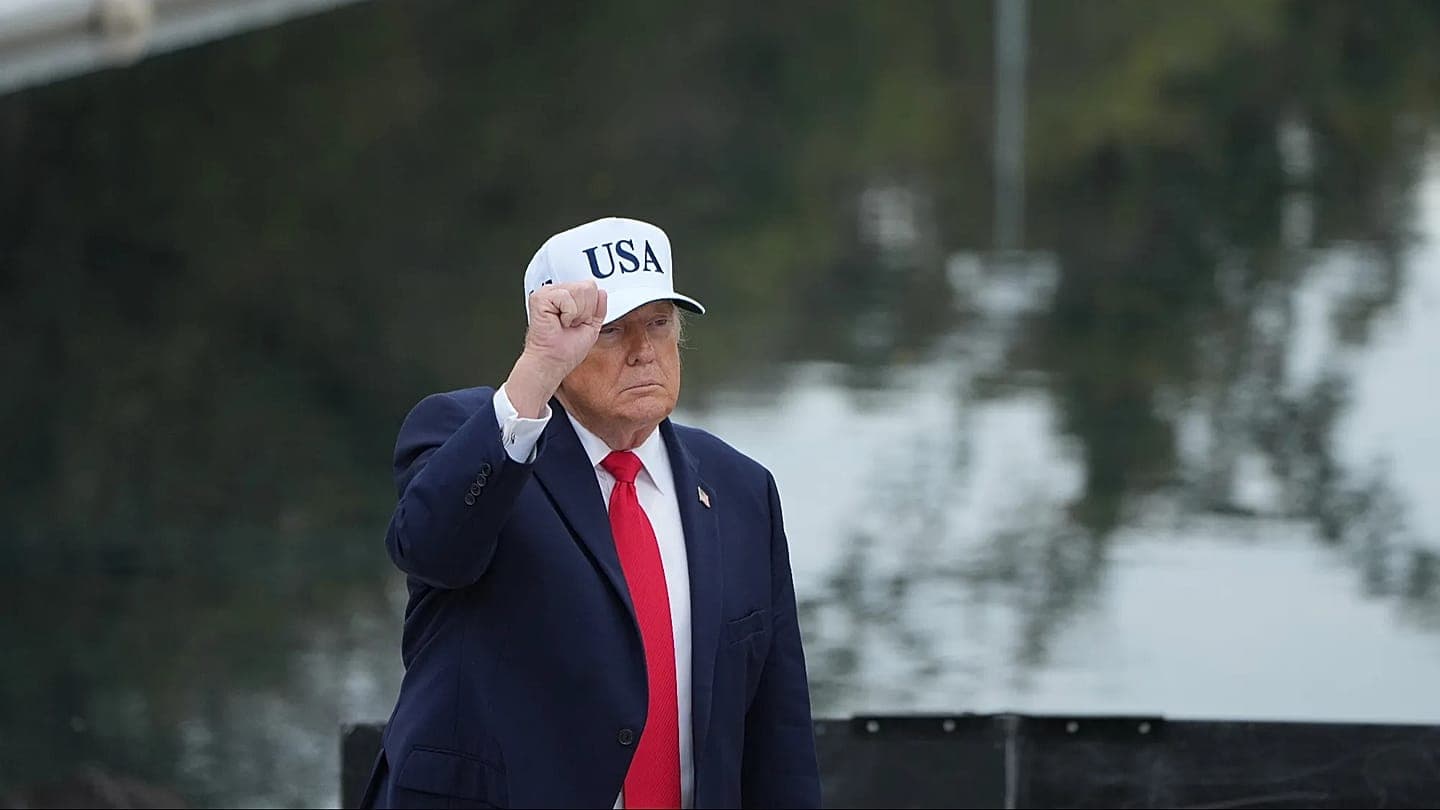
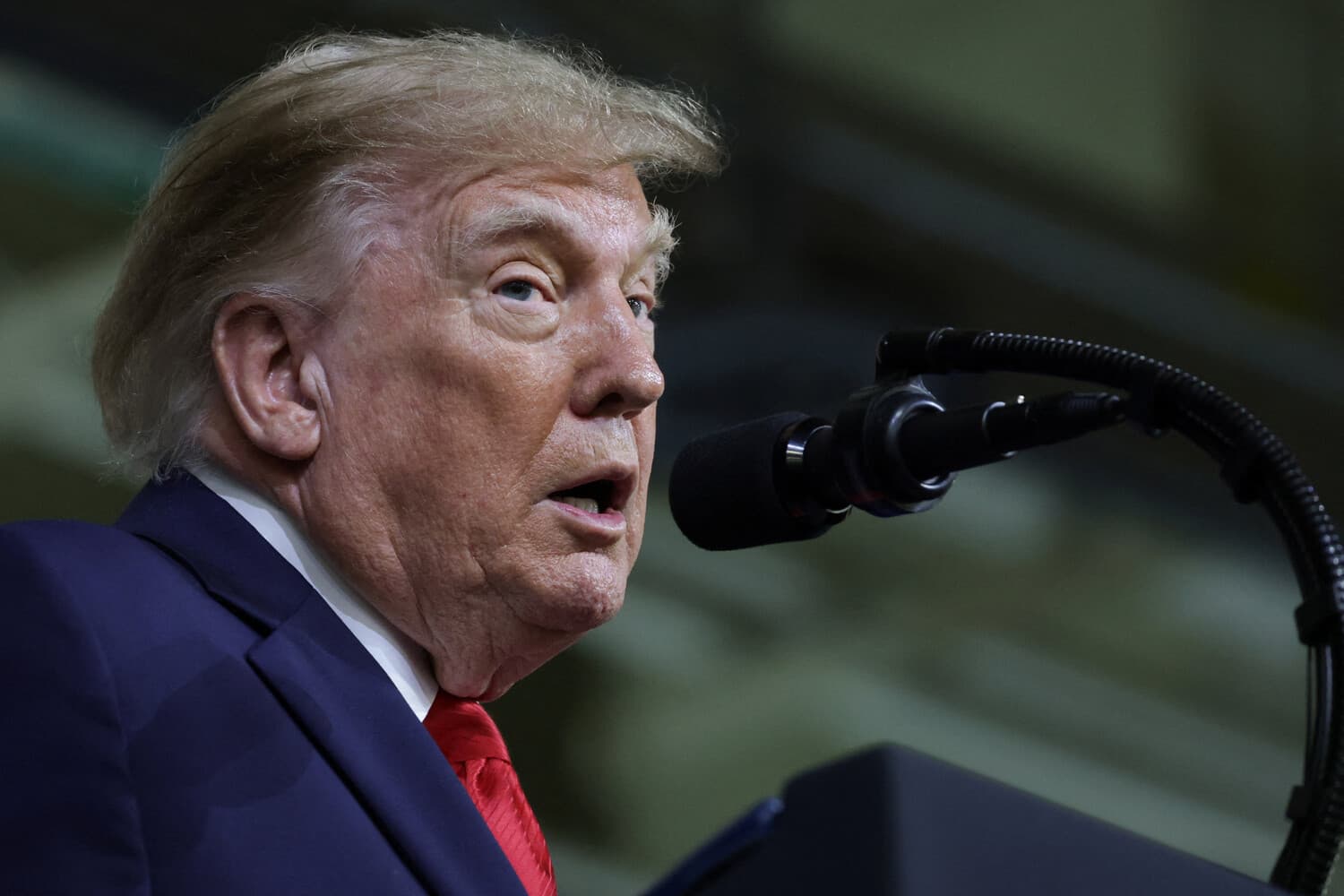
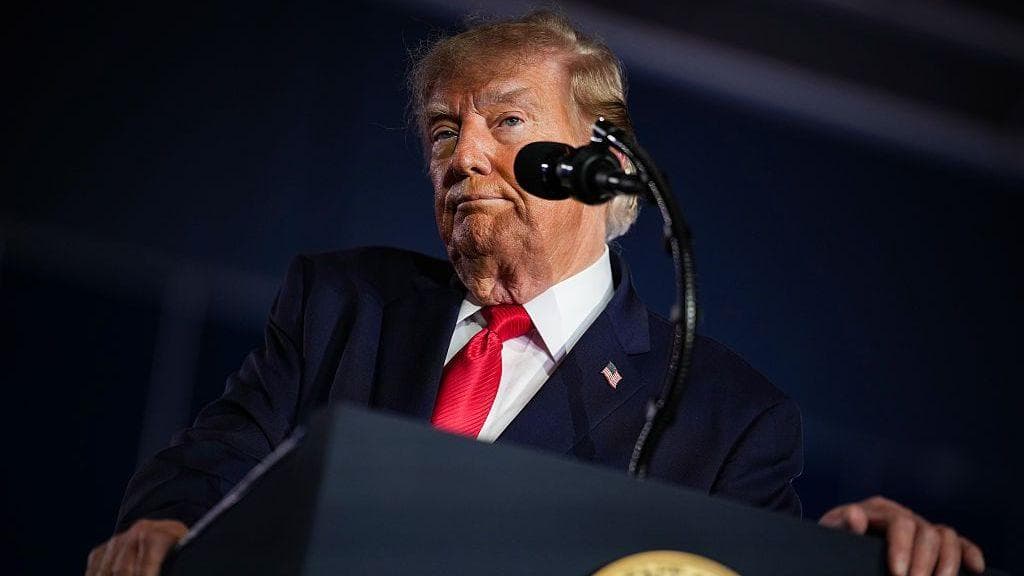
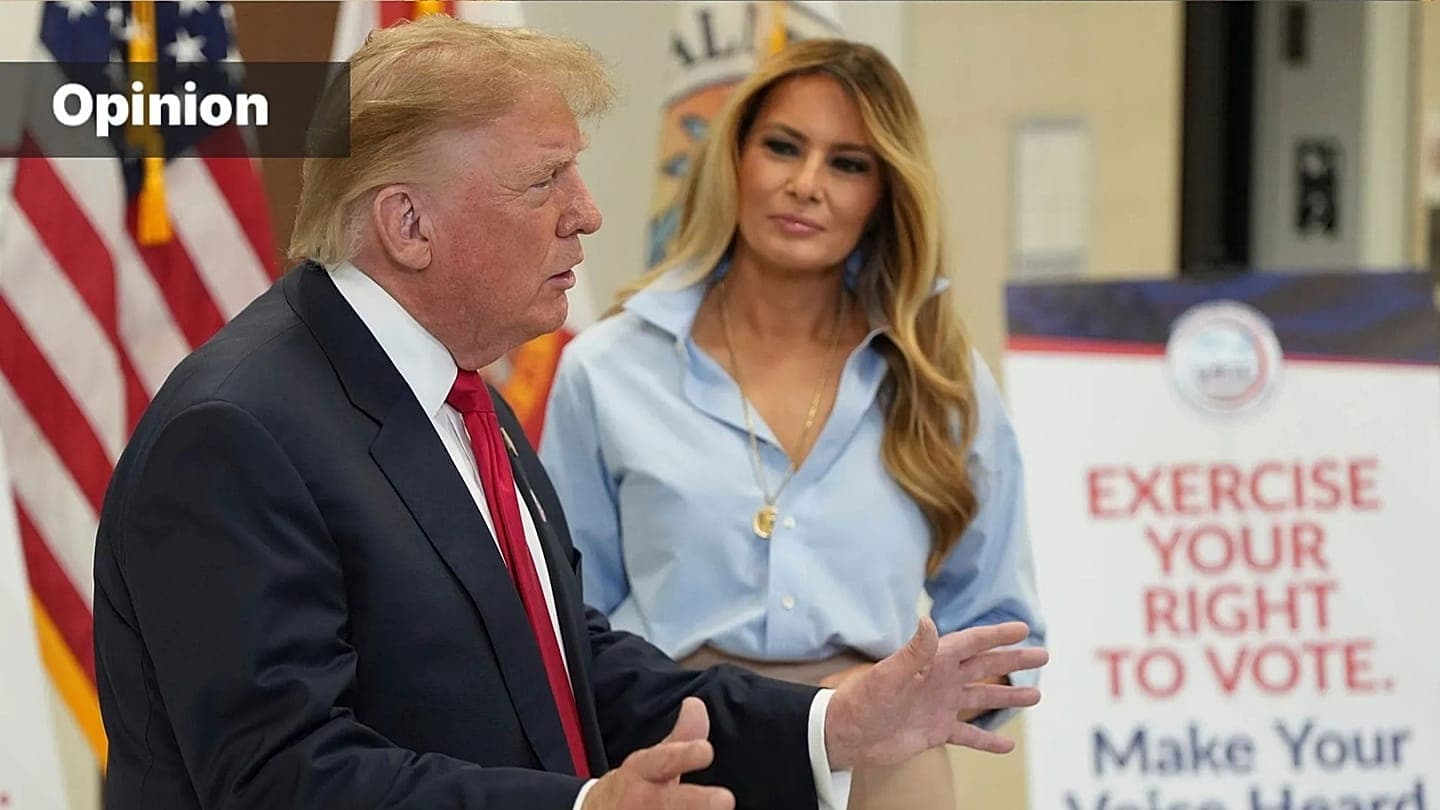
The US midterm elections, in which preliminary results point to a substantial Democratic advantage in both chambers of Congress, became for Donald Trump a “referendum on his second term” — on the rising cost of living, the consequences of trade policy and the war with Iran. This is the conclusion drawn by US expert Josef Braml in a column for Euronews, published simultaneously in the outlet’s Russian and English versions.
What changes for Europe
The author’s key thesis: the American system of checks constrains the president more strongly in domestic policy than in foreign policy. A Democratic Congress will be able to block legislation, influence the budget, create investigative committees and complicate the White House’s personnel policy — the period of virtually unimpeded Republican rule is over. But precisely for that reason, Braml believes, Trump will gain an additional incentive to act where the head of state retains freedom: in trade, defence and foreign policy. For Europe, he says, “the hardest two years of the second term” may only be beginning.
Tariffs, NATO and Iran
On the economy, Braml points to restrictions already in force: after the agreement with the EU, the upper limit of tariffs for most European exports to the US is 15%, while additional duties on steel and aluminium remain. The example of Audi is telling: after tariffs on European cars were raised to 25% and Trump openly demanded that production be moved to the US, the company announced an investment of around four billion dollars in an American plant, and its CEO Gernot Döllner appeared alongside the president at a campaign event in Georgia shortly before the election. On security, the author recalls that Trump has repeatedly questioned support for NATO and, at the alliance’s summer summit, once again demanded US control over Greenland — the territory of a NATO ally, Denmark — illustrating a “commercial”, transactional approach to alliances. Braml considers the situation around Iran the most risky: more than six months after the start of the war, there is no lasting settlement, and Iran has demonstrated the vulnerability of the world economy in the Strait of Hormuz area. At the same time, the author himself cautions that it would be irresponsible to claim escalation is inevitable — what is at issue is a continuing incentive for demonstrative toughness.
Dividing the EU and the battle for the MAGA legacy
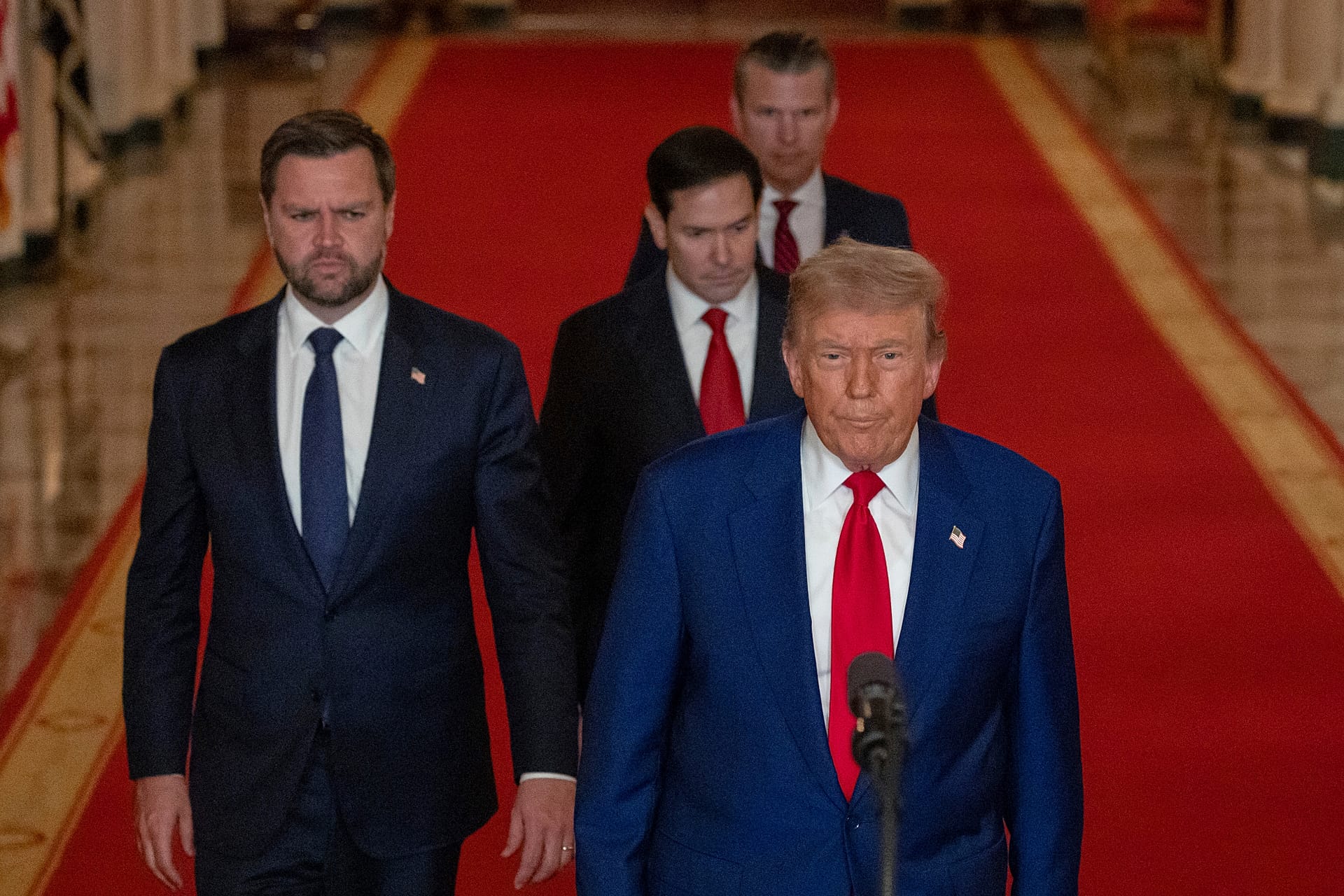
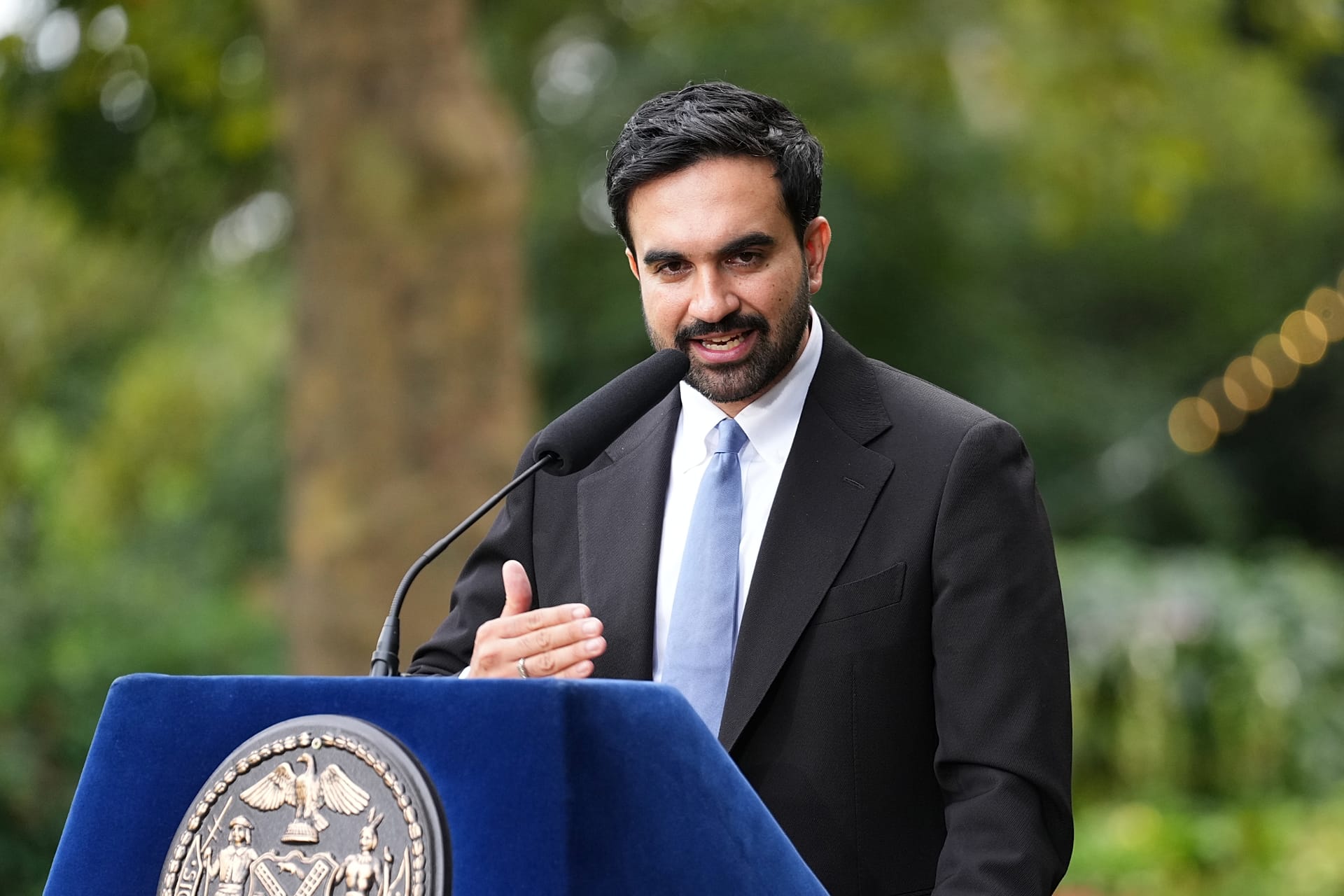
A separate aspect is ideological: Trump’s circle, in Braml’s view, is sceptical of supranational integration, so Washington may more actively build bilateral ties with governments and parties seeking to limit Brussels’ powers. The author sees a precursor to this “divide and rule” strategy in the speeches of Vice President JD Vance and Secretary of State Marco Rubio at the Munich Security Conference — in differing tones. The elections, moreover, in effect open the 2028 presidential race: Vance embodies the ideological continuation of MAGA, Rubio is a more institutional Republican experienced in foreign policy, and Trump himself will likely keep both in competition, which secures their loyalty. Separately, Braml warns Democrats against concluding there has been a “shift to the left”: the success of Zohran Mamdani and progressive candidates reflects a demand for solutions to housing affordability and healthcare problems, but a conflict is brewing within the party between the progressive wing and the moderates on whom victories in swing states rested. The conclusion for Europe, in the author’s view: not to “wait Trump out”, but to increase resilience to tariff pressure, military self-reliance within NATO and political cohesion.