The key facts
- The November 3 elections are being called among the most significant midterms in modern US history
- The November 3 elections are called among the most significant midterms in modern US history
- Bolton: Democrats may win a majority and control over war funding, but the president holds veto power
- Tehran confirmed indirect communication through Doha and Muscat and warned of a 'crushing response' to new strikes
- Tehran confirmed indirect communication through Doha and Muscat and warned of a “crushing response” to new strikes
Elections centered on the war with Iran
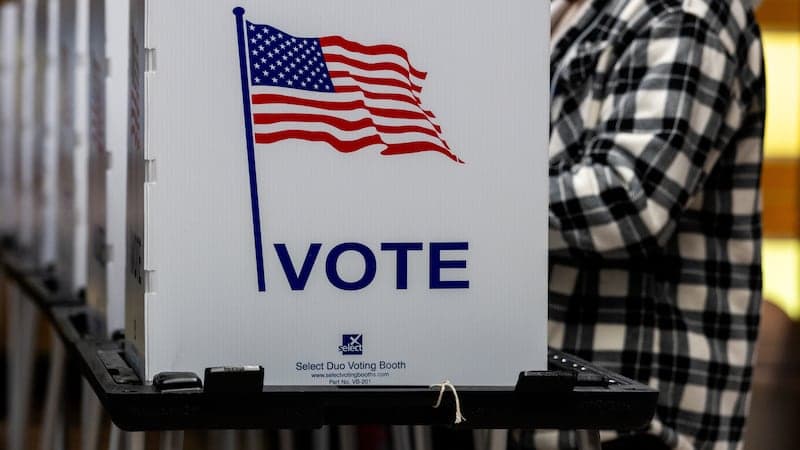
The US congressional midterm elections scheduled for Tuesday, November 3, are being called among the most significant in the country's modern history: Washington's relations with Israel and the war against Iran have ended up at the center of the political confrontation. This is reported by Deutsche Welle in a piece published on the eve of the vote.
The positions of the campaign's sides
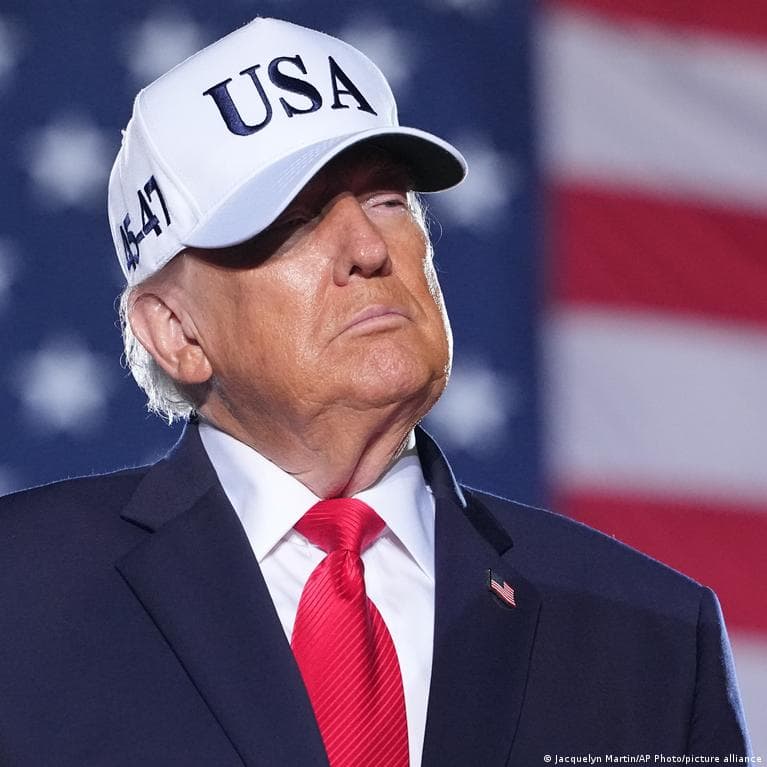
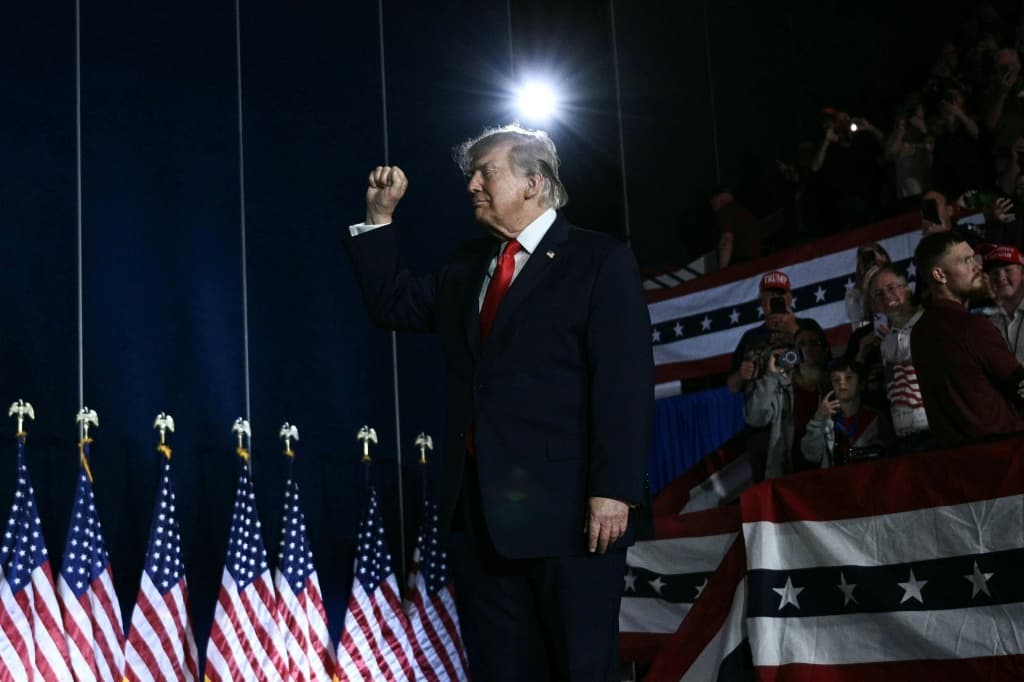
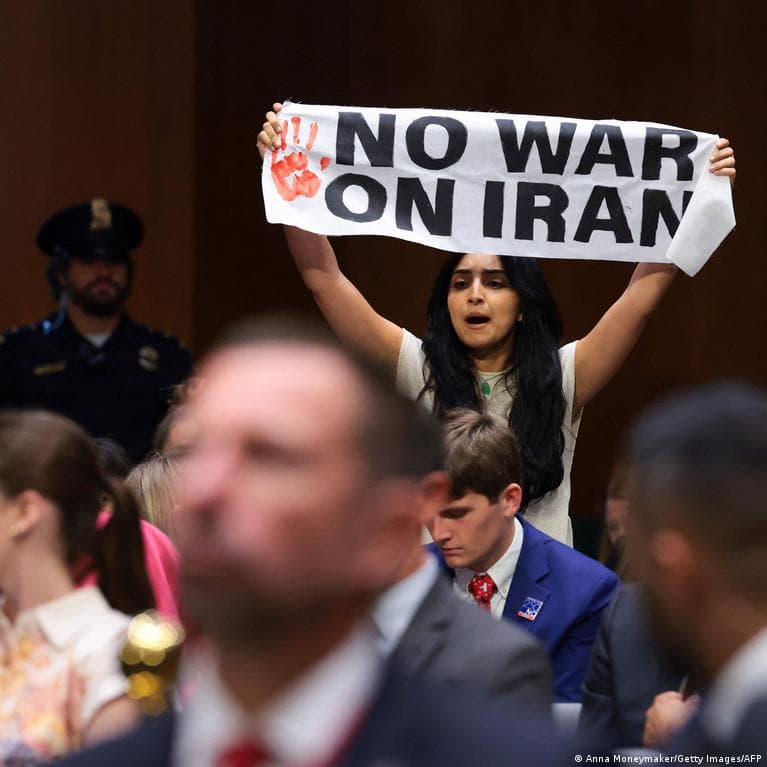
Many Democrats, including rising politicians such as Michigan Senate candidate Abdul El-Sayed, openly criticize the war: El-Sayed called the conflict 'illegal' and 'foolish.' Donald Trump, by contrast, tried to downplay the war during the campaign: last week he said that only 'one or two targets' remained in Iran that could be 'closed in 10 minutes,' but immediately added that the exchange of messages continues, Tehran still shows strong interest in a deal, and the US has 'plenty of time' to resolve the crisis. At the same time, reports are being published about US and Israeli preparations for a new round of strikes on Iran right after the elections, while Republican 'hawks,' such as Senator Ted Cruz, are pressuring the White House, demanding action against the 'threat' from Tehran. 'I have called for arming Iranian protesters to overthrow the regime,' Cruz wrote after a day spent with Trump.
What Congress can actually change
Former national security adviser John Bolton, in a conversation with DW, suggested that Democrats will likely win a majority in the House of Representatives and possibly in the Senate, which would give them control over funding for the Iran war: Congress 'can allocate defense budgets or impose restrictions on the use of financial resources.' However, he also points to the limits of these powers: the president can veto legislation, and overriding it would require a two-thirds majority in both chambers. 'Even if Democrats win a majority in both chambers, their influence will be limited to Congress's legislative and political tools,' Bolton noted. Former diplomat and Iran expert Alan Eyre of the Middle East Institute adds that there is a kind of 'bipartisan consensus' between Republicans and Democrats: both parties agree in rejecting the political system of the Islamic Republic and in supporting pressure on Tehran to change its behavior.
Tehran's calculations and the post-election scenario
Tehran, warning of a 'crushing response' to any new strikes on underground facilities, confirmed the ongoing indirect communication through Doha and Muscat, keeping the diplomatic option open. International security analyst Shahin Modarres of ITSS Verona believes that Iran's actions are based on a miscalculation: the regime, in his view, believes that a Democratic Congress will easily restrain the White House. The strategy of stalling peace talks, pressure on the Strait of Hormuz, and rising fuel prices that hit American voters is aimed at preventing Trump from claiming victory before November. But, as Modarres notes, after the elections this strategy may backfire on Tehran: the Trump administration will no longer have reasons to delay its steps. Moreover, he says, this approach ignores the alignment of both American parties' positions on preventing Iran from developing nuclear weapons.
Forecasts and unresolved questions
Bolton believes Trump will make a decision on further steps regarding Iran only after the elections, when the intensity of political pressure subsides. 'I cannot predict what the US president will do;' even Trump himself does not know his final decision right now” he told DW. As an example of a possible scenario, Bolton cited a strike on “Kuh-e Kolang” — a new nuclear facility that, according to him, Iran is building near Natanz: “In this scenario, Trump could damage these facilities, declare victory and pull back.” At the same time, Bolton diverges from the official position of the White House: Trump has consistently claimed that the US goal is to deprive Iran of the ability to obtain nuclear weapons and that his administration has succeeded in this, whereas Bolton believes the Islamic Republic will pursue nuclear capability as long as it remains in power, and sees “regime change” as the only lasting solution. Eyre, for his part, emphasizes that even a Washington consensus will not overcome the structural obstacles to political change inside Iran: transformation must come from Iranian society itself, and American diplomacy, in his assessment, has never managed to convey to Iranians a “clear, coherent and credible message” — the gap between Washington’s rhetoric and practice, he says, is a structural phenomenon not limited to a single administration or electoral cycle.