The key facts
- Paragraph 9 of the trilateral statement of 10 November 2020 provided for the restoration of transport links between western districts of Azerbaijan and Nakhchivan.
- The accords reached in Washington on 8 August 2025 with the participation of Ilham Aliyev and Nikol Pashinyan supported regional connectivity and the TRIPP project.
- In 2024 the EU and its partners announced the mobilization of 10 billion euros for Trans-Caspian connectivity; in January 2026 the EU and Azerbaijan put a feasibility study for the Nakhchivan railway on the agenda.
From the 2020 agreement to the Washington accords
The Zangezur corridor should be understood not only as a direct land link between mainland Azerbaijan and the Nakhchivan Autonomous Republic, writes Dr. Matin Mamedli, head of department at the Baku Center of Analysis of International Relations and Multiculturalism, in a column for Euronews. According to him, the significance of the project lies in how a national transport priority can reshape economic relations in the South Caucasus.
The economic foundation of peace
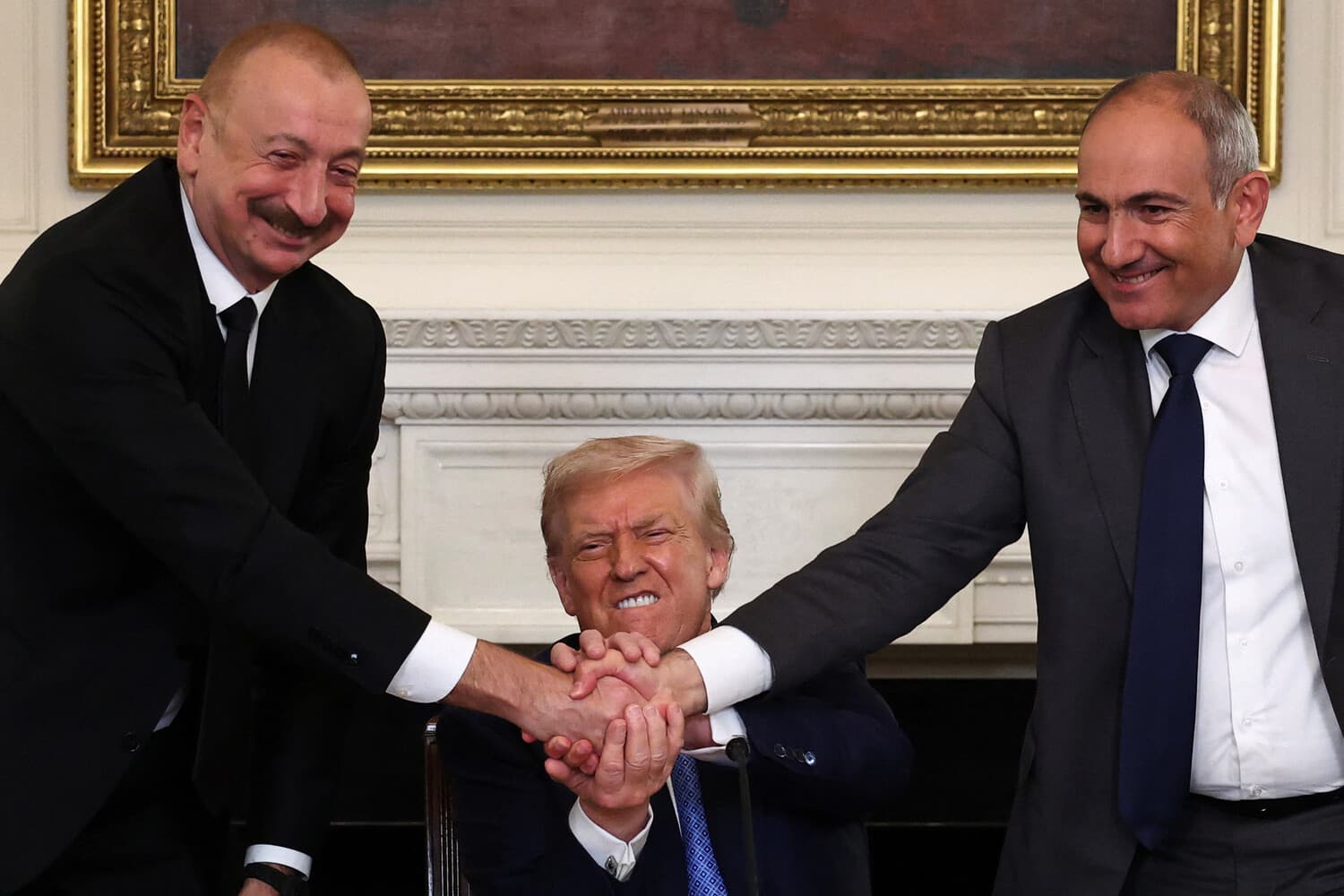
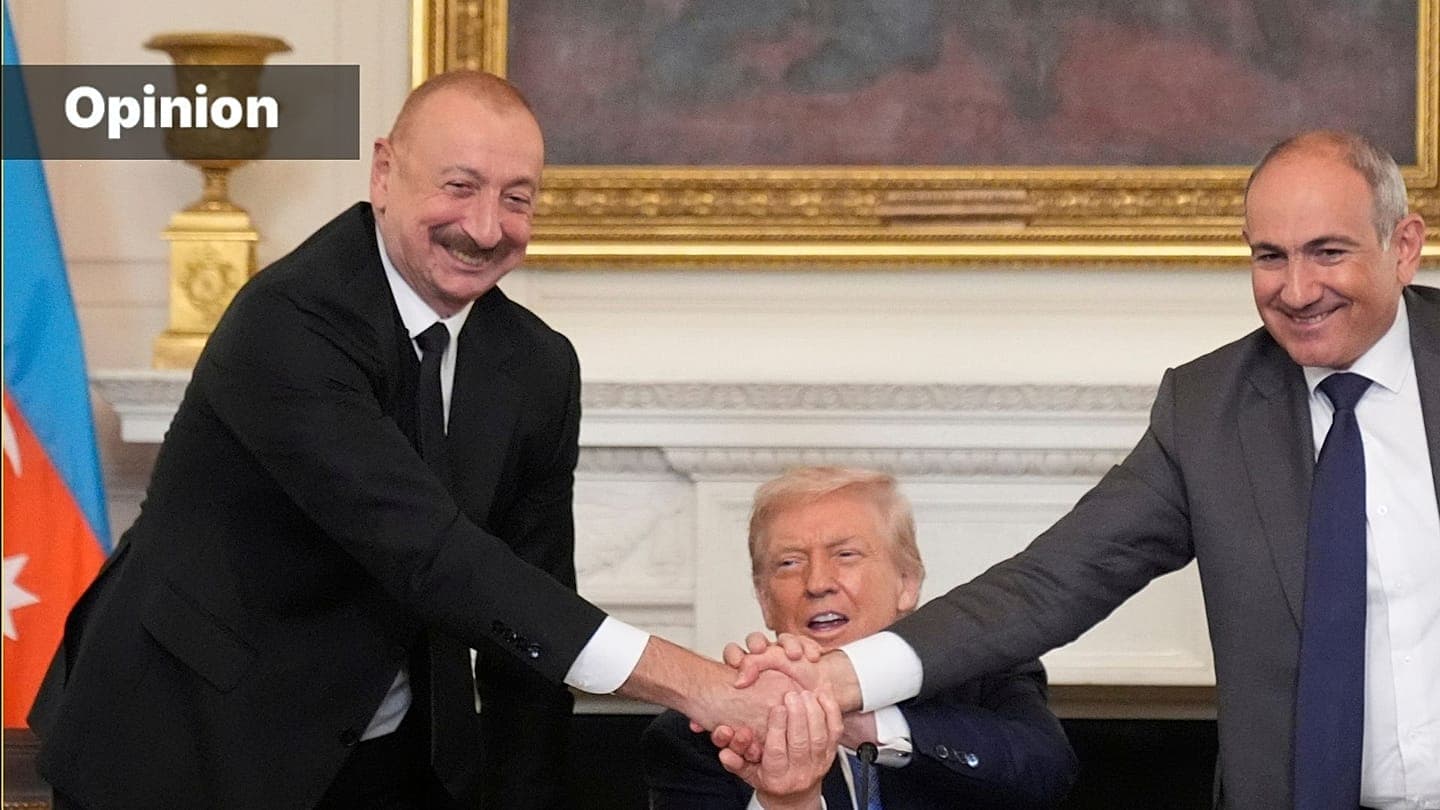
The author recalls that paragraph 9 of the trilateral statement of 10 November 2020 provided for the restoration of regional economic and transport links, including communication between western districts of Azerbaijan and Nakhchivan. Since then, Baku has promoted the idea that restored links could give peace an economic foundation. The preparation was practical: the Horadiz–Aghband railway and highway projects and efforts to develop further connections with Nakhchivan show, in the author's assessment, that connectivity was an investment priority for Baku rather than a diplomatic slogan. A new impetus came from the accords reached in Washington on 8 August 2025 with the participation of President Ilham Aliyev and Prime Minister Nikol Pashinyan: the joint declaration endorsed regional connectivity and the 'Trump Route for International Peace and Prosperity' (TRIPP), while the initialed peace agreement reinforced the economic logic of normalization.
The Middle Corridor and the EU's interest
The broader context is the Middle Corridor, linking China, Central Asia, the Caspian, Azerbaijan, Turkey and Europe; the author sees its appeal in the diversification of routes between Asian and European markets. According to available World Bank estimates, coordinated investment and reforms could triple freight volumes along the Middle Corridor by 2030 and halve transit times — though these figures concern the entire corridor, not Zangezur alone. Europe has a direct interest: in 2024 the EU and its partners announced plans to mobilize 10 billion euros for Trans-Caspian connectivity, and in January 2026 the EU and Azerbaijan put cooperation on a feasibility study for the Nakhchivan railway on the agenda. The author stresses that these steps do not guarantee TRIPP's success, but they do indicate the project's alignment with broader European interests.
Who benefits from the corridor and what will decide its fate
The benefits, in the author's view, are not limited to Azerbaijan: Armenia could integrate more deeply into international transport networks, Turkey could expand its land links with Azerbaijan and Central Asia, Central Asian exporters would gain additional routes, and China would get another potential path to Europe. The author calls this convergence of interests the project's main geo-economic promise: it could make cooperation commercially viable even amid fragile political trust. At the same time, as Mamedli notes, an opportunity is not yet an achievement: implementation will require regular cooperation on customs, transit rules, technical standards and infrastructure management, and TRIPP's fate will be determined by commercial viability, transparent governance, efficient border procedures and sustained political commitment. In the broader context of European relations with the region, it is worth mentioning that in March 2026 the EU strengthened cooperation with Azerbaijan on security and energy, and in August 2026 Armenia announced its intention to apply for EU membership — these storylines set the backdrop against which the corridor project unfolds.