The key facts
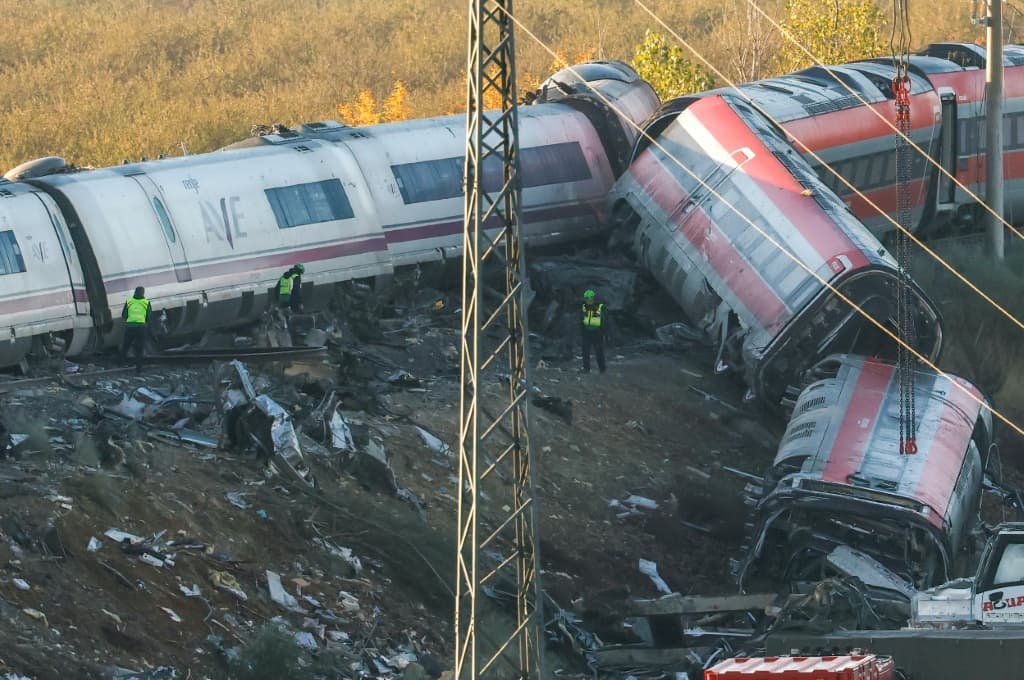
- On Wednesday, a Renfe train collided with a stationary Iryo train near Urda village, south of Madrid, killing 69 people; this is the second high-speed rail disaster within a year, following a January crash in Andalusia that claimed 46 lives.
- Transport Minister Óscar Puente announced the creation of an AI agent to monitor the system, automatic alerts, double validation of operator decisions, and reforms to working conditions.
- The Semaf train drivers' union has called strikes at Renfe on November 10 and 12, while right-wing opposition parties are demanding the minister's resignation.
Measures following the Urda disaster
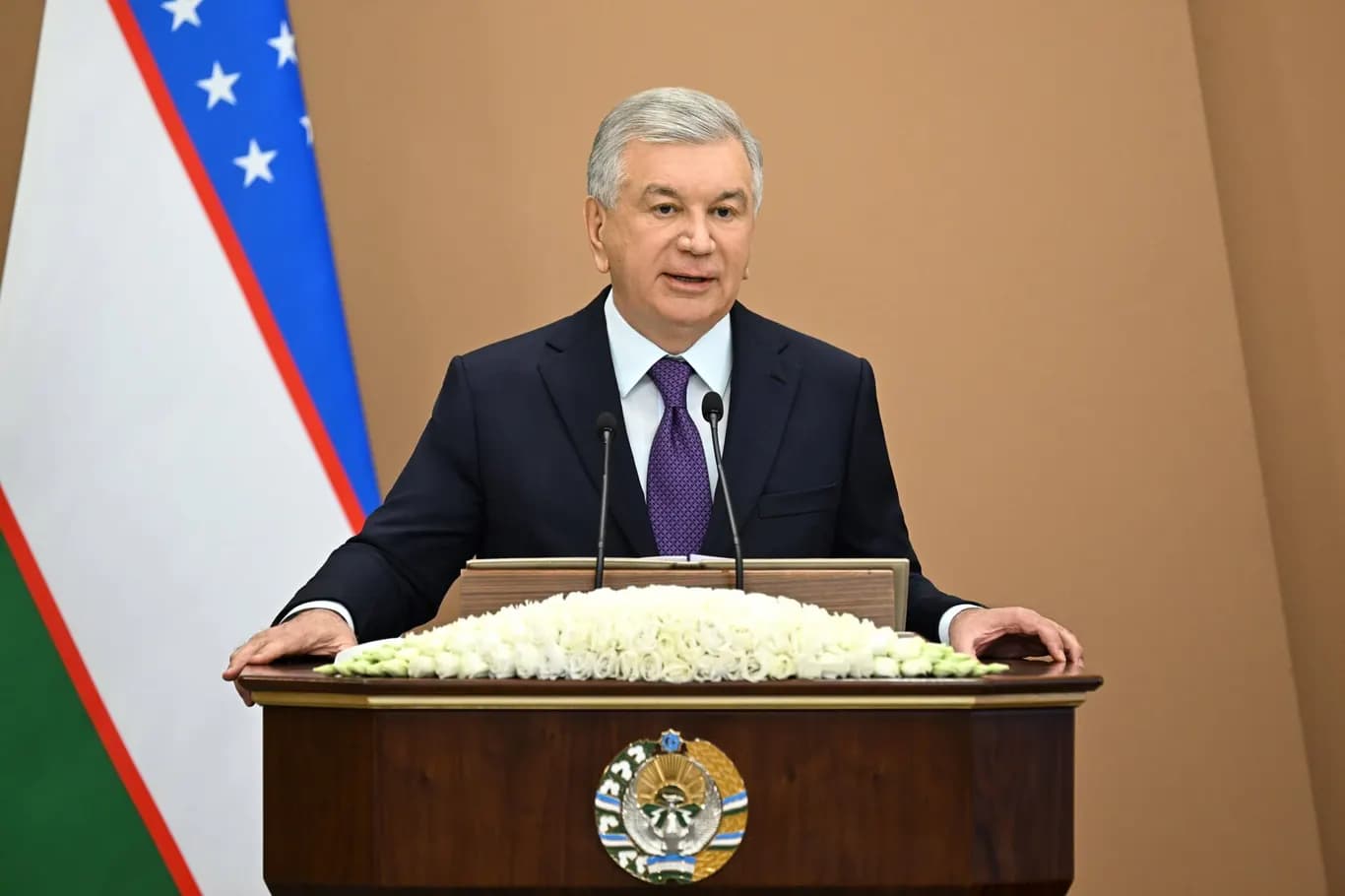
Spain will work 'tirelessly' to restore public trust in high-speed railways, Transport Minister Óscar Puente stated on Tuesday, presenting a package of safety measures following the train collision that occurred last Wednesday. This is reported by AFP.
What happened
A train operated by the state-owned company Renfe collided with a stationary train belonging to the private company Iryo near the village of Urda, approximately 130 km south of Madrid. Sixty-nine people died, and dozens were injured. The failure of the automatic safety system halted traffic on a 63-kilometer stretch; however, the control center nevertheless authorized the Renfe train to continue. This is already the second such disaster within a year: in January, a collision on the same Madrid–Seville line in Andalusia claimed 46 lives.
Announced measures
Among Puente's measures is the development of software for control centers featuring automatic alerts and simplified anomaly detection in train movements. According to him, an AI agent will be created to oversee the system to 'minimize the possibility of human error'; the minister described this proposal as unprecedented. If a control center operator makes a decision while the automatic safety system is disabled, a second operator must confirm it. A support package worth 30 million euros (approximately 33.5 million US dollars) for the families of the deceased and the injured has also been announced. The last carriages of the derailed trains have been removed from the tracks, and the government has requested judicial permission to repair and reopen the line.
Criticism and union response
The right-wing opposition is demanding Puente's resignation, which he has no intention of doing; the Semaf train drivers' union is also criticizing him, arguing that the minister is placing all blame on a single control center operator. Semaf has announced strikes at Renfe for November 10 and 12, citing deteriorating working conditions and the use of 'degraded systems'. Critics also note that investment in maintenance failed to keep pace with passenger growth following the liberalization of the rail network in 2021, which ended Renfe's long-standing monopoly. In what appears to be an acknowledgment of union demands, Puente promised to reform the working conditions of control center operators, including breaks and fatigue monitoring. The disasters have undermined confidence in the world's second-largest high-speed rail network and cast a shadow over the election campaign ahead of the general elections on November 29, where polls indicate that Socialist Prime Minister Pedro Sánchez is trailing.