The key facts
- A toll road from Samarkand to Bukhara with cement-concrete pavement is planned: travel time is expected to be cut from 5 hours to 1.5 hours
- A new railway line for high-speed trains is envisaged in the same direction
- In 2026 the reconstruction of the A-380 will be completed; next year, modernization of a 69 km section of the M-37 highway will begin for $200 million with a 4.5-km bypass road around Bukhara
Plans for transport connections
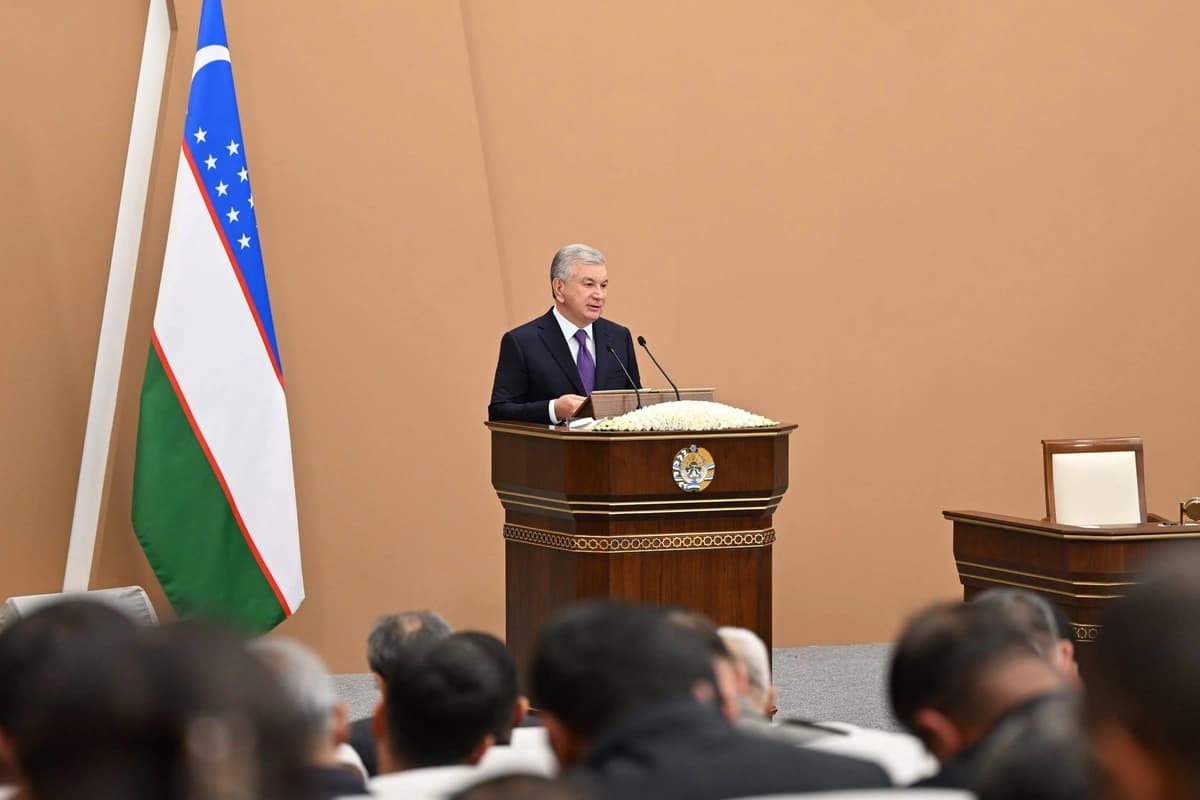
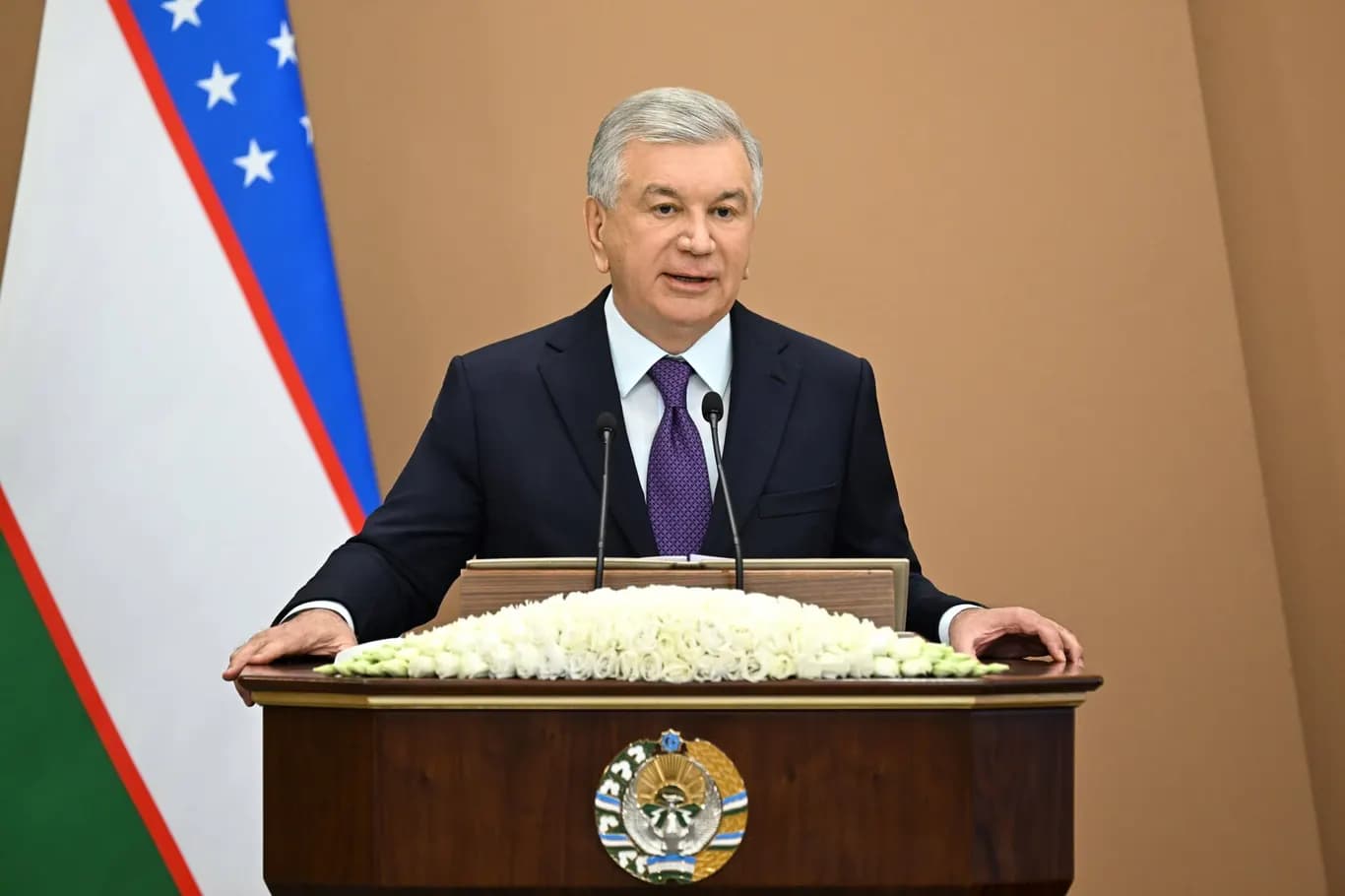
At a meeting on the development of Bukhara Region, held under the leadership of President Shavkat Mirziyoyev, plans were presented to improve the region's transport connections. As UzNews.uz reports, in the Samarkand — Bukhara direction, a modern toll road with cement-concrete pavement is planned, which, it is expected, will cut travel time between the two cities from the current five hours to one and a half. A new railway line for high-speed trains is also envisaged in the same direction.
What has already been decided and what remains plans
For now, these are precisely plans, not projects approved for implementation: the president instructed responsible officials to complete the development of master plans for the road and railway projects and to begin negotiations with partners. The construction timelines and funding sources for these two projects were not named at the meeting.
Roads already under construction
Unlike the Samarkand — Bukhara highway, timelines have been set for other road projects. This year, the reconstruction of the A-380 highway passing through Bukhara is to be completed. Next year, modernization of a 69-kilometer section of the M-37 highway within the region will begin: as part of the $200 million project, a 4.5-km bypass road around Bukhara will also be built.
Context of the meeting
The transport plans were part of a broader package of initiatives for Bukhara Region. According to Zamon.uz, the president stated that he had come to Bukhara «with new initiatives worth $30 billion». Separately, a water supply project with the Asian Infrastructure Investment Bank worth $385 million was discussed, for whose second phase another $248 million will be attracted: coverage with centralized drinking water supply is planned to be increased from 80% to 95%, and 775 thousand people are to be connected to the sewerage network.