The key facts
- Shabana Mahmood refused to name the cost of the revised plan, promising to publish the calculations when the changes are introduced in Parliament
- Care workers who arrived before May 2025 and earn at least £25,000 a year will keep the right to settle after five years
- The number of people affected by the settlement delay has fallen from 799,000 to 517,000
Refusal to name the figures
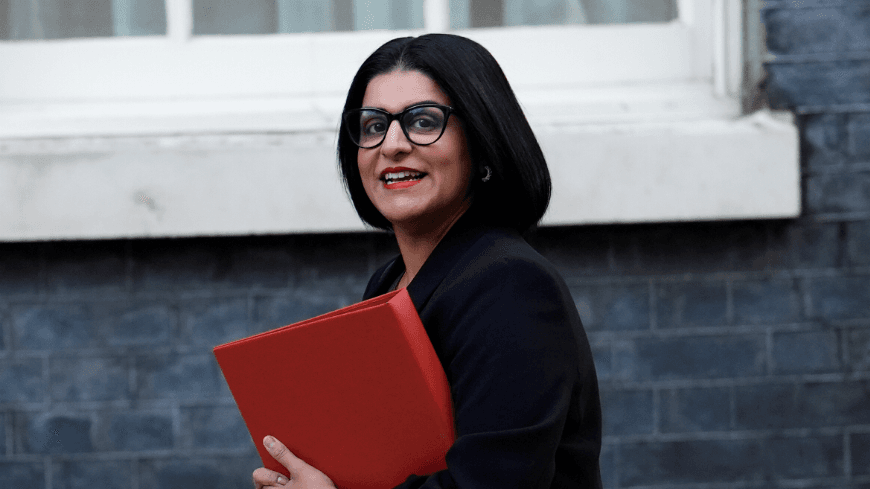
UK Home Secretary Shabana Mahmood has refused to say how much the revised version of her plan to extend the waiting period for indefinite leave to remain (ILR) for migrants will cost, BBC News reports. She originally proposed doubling the qualifying period from five to ten years for most migrants, and to fifteen years for some; the Home Office estimated potential savings at £10 billion. In March, the Home Office had already put the net lifetime cost for care workers and their adult dependants who were due to settle in 2026–2030 under the existing rules at roughly the same amount.
What has changed in the plan
Under the revised rules, care workers who arrived in the UK before May 2025 and who earn at least £25,000 a year will still be able to obtain settlement after five years, as will certain other groups. Other foreign workers in this sector will be able to apply for a new five-year visa, after which they can seek settlement. Mahmood told BBC Radio 4 that the state would still save 'billions' because workers in other sectors would wait longer, and that the exact calculations would be published when the changes are introduced in Parliament. According to her, the greatest risk of dependence on the state came precisely from those care workers who were no longer working in the profession.
Scale of the changes and the reaction
The original plan affected 799,000 people who would have lost settlement within the previous timeframes; after the revision, that figure fell to 517,000, and the exact waiting period will depend on income and on whether a person arrived legally or illegally. Mahmood denies that there has been a U-turn and calls the outcome of the consultation a 'transformative package'. Criticism within the Labour Party was noticeable: Housing Secretary Angela Rayner said it was 'moving the goalposts', while a number of MPs called the retrospective approach 'un-British'. Shadow Home Secretary Chris Philp linked the changes to pressure from colleagues and 'Labour's open borders', Nigel Farage said Mahmood 'performed a U-turn at the first sign of trouble', and Liberal Democrat Max Wilkinson said the government's reforms were 'unravelling'.
 Image source, PA Media