The key facts
- The opposition demands that Eisenkot be given the mandate to form a government before President Herzog's consultations
- Likud claims the election was 'stolen' without public evidence; Israel's Central Elections Committee says the election was conducted properly
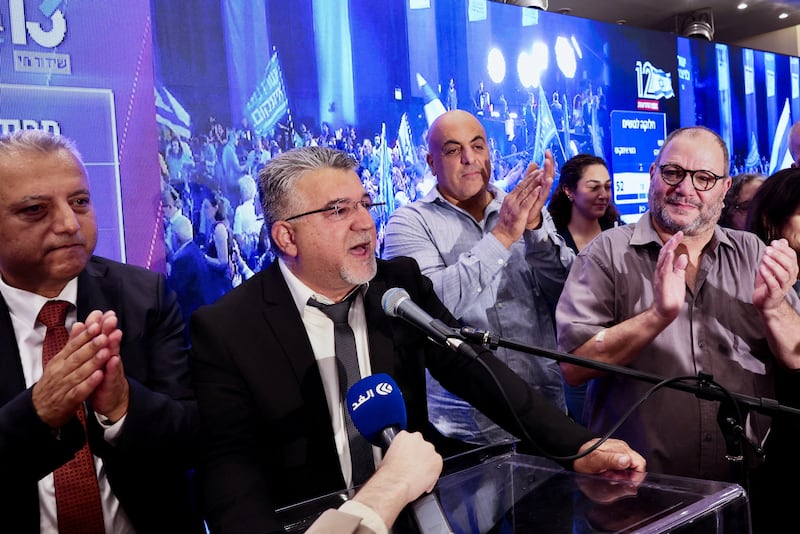
- Arab parties won a record 19 seats, but not all opposition figures are ready for an alliance with them
The change bloc demands the mandate to form a government
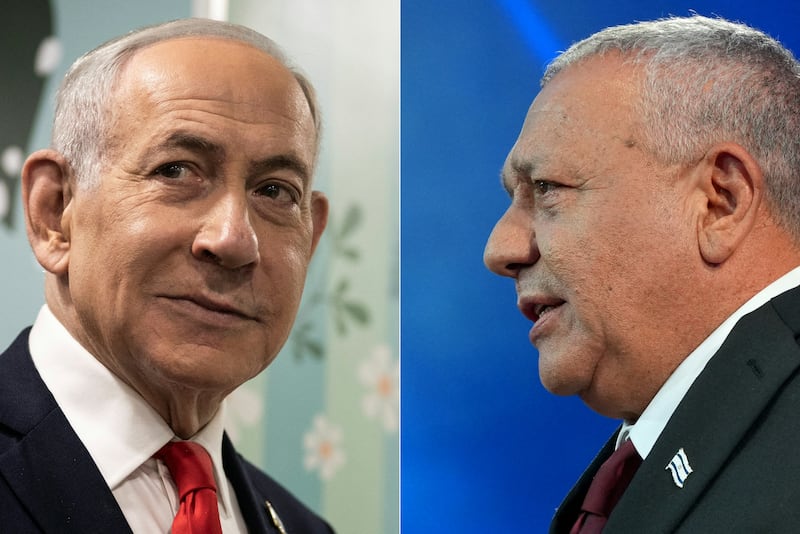
Leaders of Israel's 'change bloc', including former general Gadi Eisenkot, held talks for about an hour in Herzliya and afterwards issued a joint statement: they are 'united and will act immediately' to replace Benjamin Netanyahu's government and form a 'national emergency government', relying on 'a clear parliamentary majority in the Knesset'. The bloc demanded that Eisenkot be the first to be tasked with forming a cabinet 'as quickly as possible', without allowing repeat elections. This was reported by The National.
Procedure and the arithmetic of mandates
From Wednesday, President Isaac Herzog will begin consultations with Knesset factions on who should first be given the mandate to form a government: the chosen candidate will have 28 days with the possibility of a 14-day extension, and if they fail, the second candidate receives the mandate for another 28 days. Neither Netanyahu's bloc (53 mandates, down from 64 in 2022) nor the opposition (48) has a majority of 61 mandates. Likud remained the largest party with 27 mandates. The key question is the opposition's willingness to cooperate with the Arab parties, which won a record 19 seats in the election: formally, that would be enough for a majority, but many politicians are not ready for such an alliance. If the talks fail, the country faces an early second round of elections, which the president and many politicians want to avoid.
Dispute over the legitimacy of the results
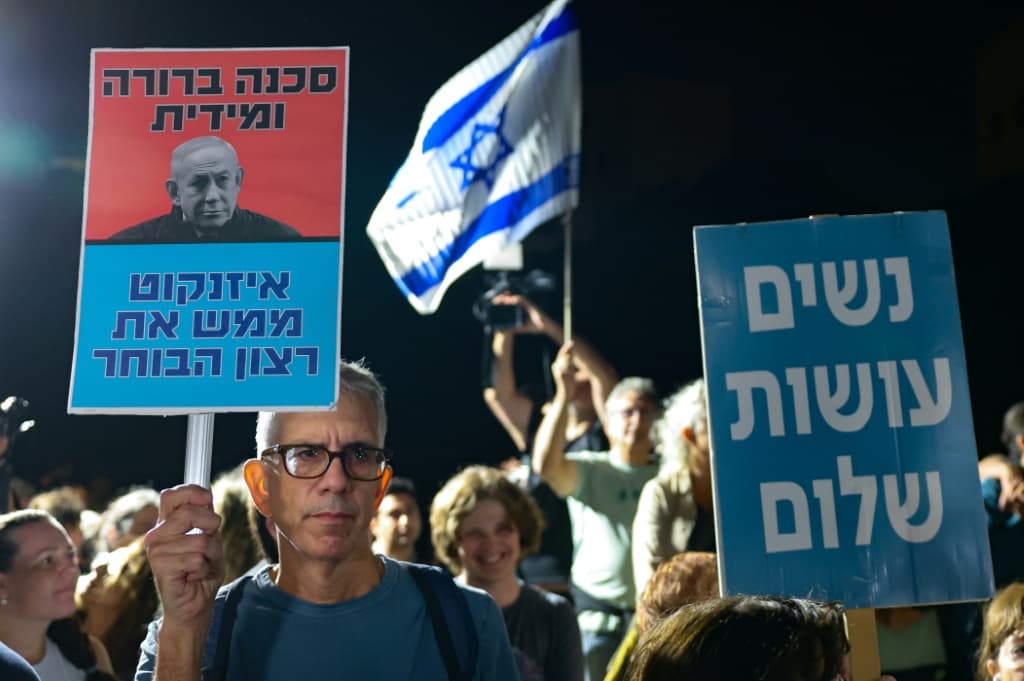
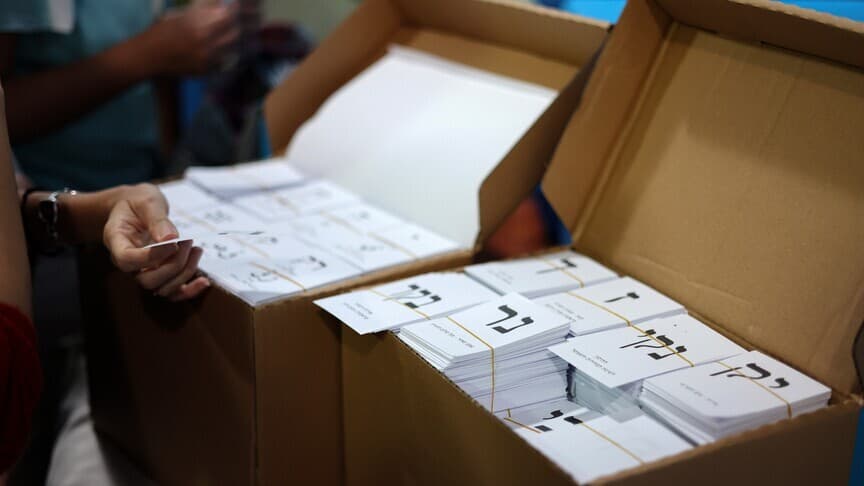
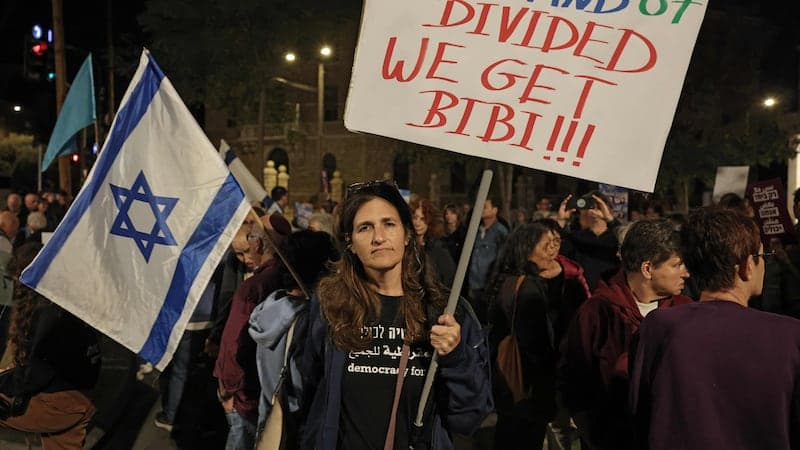
Netanyahu and Likud are contesting the results of the vote: the party claimed the election was 'stolen', accusing the Arab parties of fraud, but no evidence has been made public. On Monday, Likud tried to delay the announcement of the official results, which are to be presented to the president before the consultations. Israel's Central Elections Committee, on the contrary, stated that the election was 'conducted properly' and that the results 'reflect the will of the voters'. At their meeting, opposition figures discussed the prime minister's 'dangerous and reckless' attempts to discredit the results.
Division within the opposition
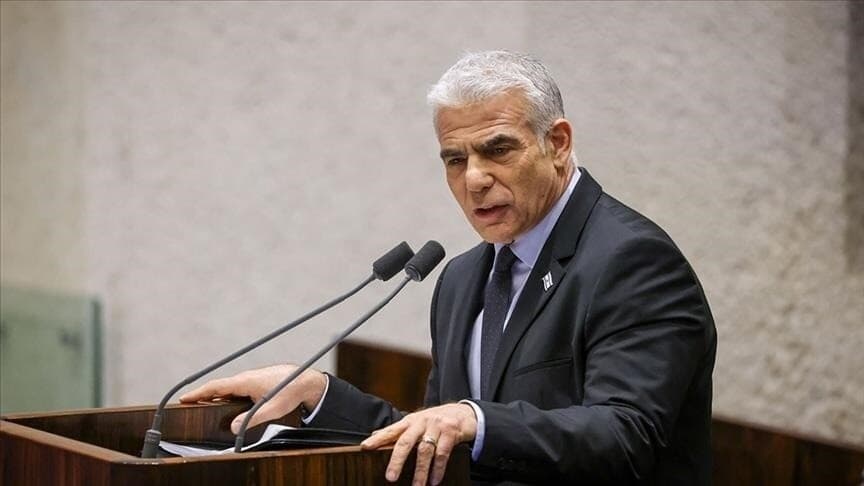
Even within the bloc there is no unity on the Arab question. Yair Golan, leader of the left-wing Democrats party, after meeting with the head of the Arab Joint List called for partnership, mentioning coordination between factions to replace the government of Netanyahu, Ben-Gvir and Smotrich, as well as the wave of violent crime in Arab communities. In contrast, right-wing opposition figure Avigdor Lieberman (Yisrael Beiteinu) insists that a 'stable government' can be formed without Raam and the Joint List, which calls the opposition's chances into question. Former prime minister Naftali Bennett (the B'Yachad party) urged allies to act 'with great urgency' and create a 'Zionist government of correction'. A risk is also noted: a new round of conflict with Iran could prolong the formation of a government and keep Netanyahu in power for months.