The key facts
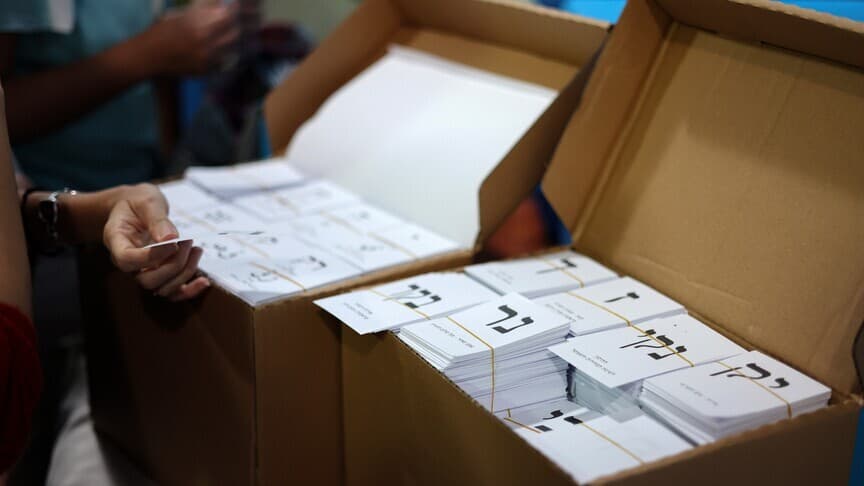
- Eisenkot's opposition bloc (48 seats) and Netanyahu's camp (53) failed to win a majority in the election; the Arab parties won a record 19 seats
- The opposition leaders confirmed Eisenkot's four principles, including recognition of Israel as a Jewish state and condemnation of Hamas as a terrorist organization
- Netanyahu called for a 'broad national government' without the Arab parties and said the coalition should be led by him as head of the largest party
The bloc's first meeting after an inconclusive election
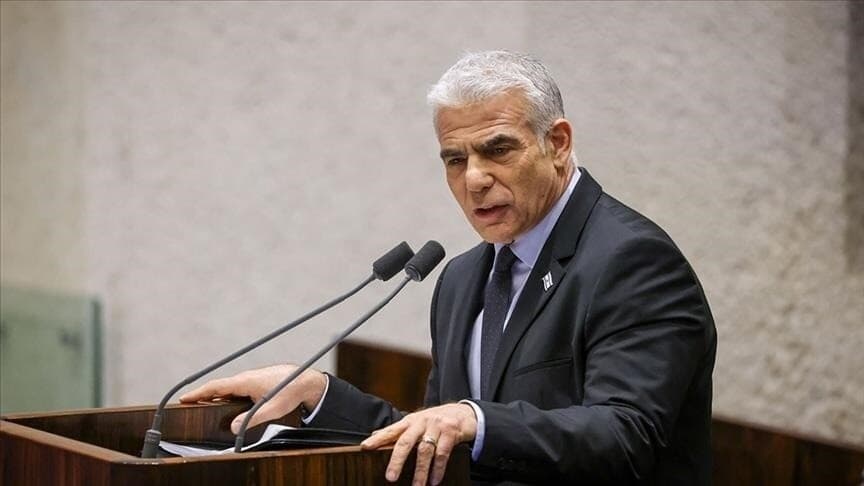
A week after parliamentary elections that gave neither camp a majority, five leaders of the Israeli opposition gathered for the first time for consultations at a hotel in Herzliya, a city north of Tel Aviv where former chief of staff Gadi Eisenkot lives. According to AFP, the participants said in a joint statement that their goal is to form a government 'as soon as possible' and prevent Israel from being dragged into new elections. All heads of the bloc's parties, despite their differences, confirmed their readiness to back Eisenkot in forming a cabinet.
The main dispute: Arab parties and the four principles
The distribution of seats makes the Arab lists pivotal: Eisenkot's bloc won 48 of 120 seats, Netanyahu's camp 53, of which 27 went to Likud, while the Arab-Israeli parties, riding a wave of discontent with the right-wing government's rhetoric, took a record 19 seats. The opposition leaders confirmed Eisenkot's four principles, including recognition of Israel as a Jewish state and condemnation of Hamas as a terrorist group — conditions that could rule out some Arab lawmakers. The only leader openly advocating an alliance with the Arab parties remains Yair Golan, head of the center-left Democrats party, who called their exclusion racism; before the meeting he held talks with Arab-Israeli politicians. The right-wing member of the bloc, Avigdor Lieberman, by contrast, insists that a government can be formed 'without Raam and the Joint List,' but without new elections. According to Israeli media reports cited by AFP without naming sources, the participants of the meeting focused on an alliance with the ultra-Orthodox Jewish parties — Netanyahu's traditional allies — rather than with the Arab lists.
Netanyahu's position and pressure on the opposition
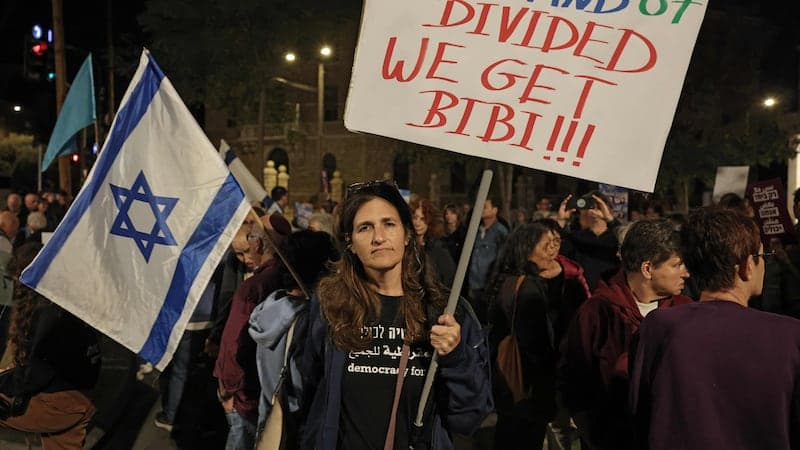
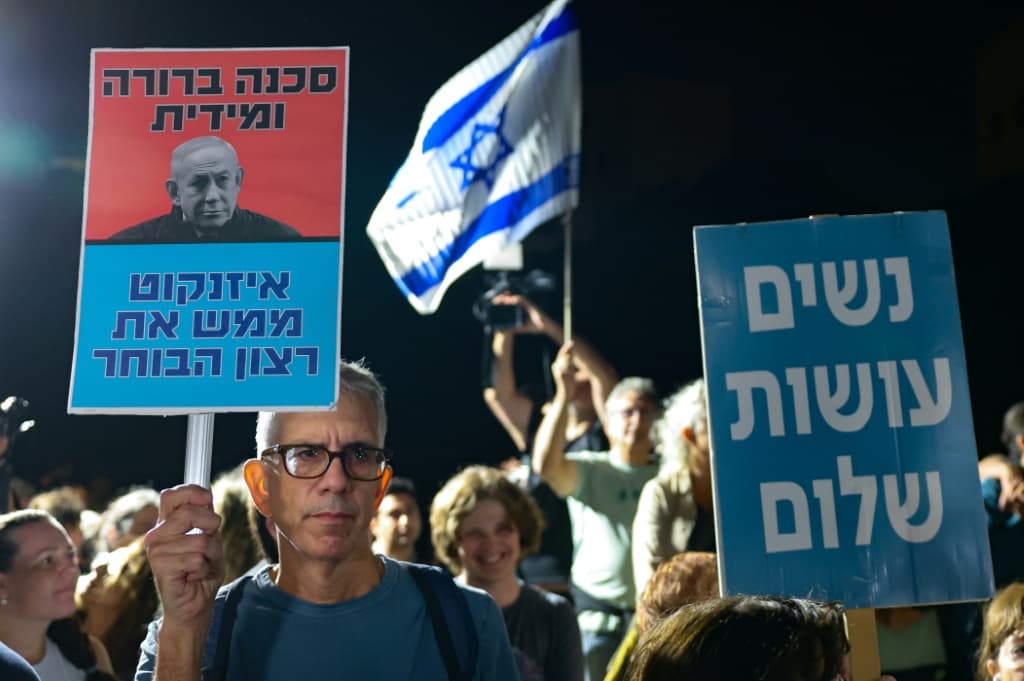
On the eve of the meeting, Benjamin Netanyahu called for a 'broad national government' without the Arab parties, saying on Telegram that they 'support terrorism and deny the existence of a Jewish state,' and demanded the post of prime minister for himself as head of the largest party. No opposition leader expressed readiness for a unity government with him, pointing to his divisive role, corruption charges, and his failure to prevent the Hamas attack of October 7, 2023. Merav Svirsky, whose parents were killed on October 7 and whose brother was kidnapped and murdered, attended the opposition meeting: she delivered a petition demanding that Eisenkot not enter a coalition with Netanyahu. The head of the largest Arab party, Youssef Jabareen, told AFP that the opposition should accept the 'political reality' and unite to remove Netanyahu. For now, the path to a majority of 61 seats remains unclear: the bloc has not resolved the contradiction between Eisenkot's principles and the need to rely on the Arab lists.