The key facts
- French Interior Minister Laurent Nuñez confirmed on November 2 talks with the Taliban on the return of some Afghan migrants
- France does not recognize the Taliban government, but is part of a group of roughly 20 EU countries seeking accelerated deportations
- The opposition criticized the contacts, and in September the UN called for a halt to forced returns to Afghanistan
Technical talks without diplomatic relations
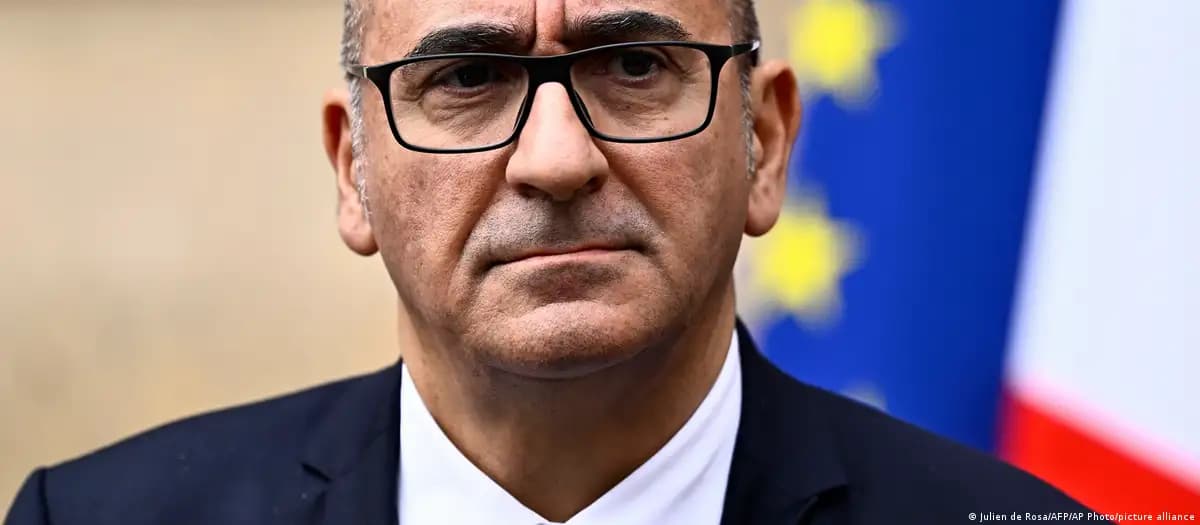
France is discussing with the Taliban the possibility of returning some Afghans who are in the country illegally. Interior Minister Laurent Nuñez announced this in parliament on November 2,; his remarks were reported by the AFP agency, as DW writes. “We are trying to achieve the possibility of returning some Afghans who are in the country illegally. These are technical discussions,” AFP quoted the minister as saying. According to him, other European countries, including Germany, maintain similar contacts with the Taliban.
Who exactly they want to deport
France officially does not recognize the government formed by the Taliban after the movement returned to power in Afghanistan in 2021, and there are no diplomatic relations between the two sides. Nevertheless, according to AFP, France is among roughly 20 European Union countries pushing to accelerate the return of Afghan citizens; among them are also Germany, Belgium and Sweden. The priority of these countries is the deportation of Afghans convicted of crimes. Nuñez stated that some Afghans in France “may pose a threat to public order” and called their deportation one of the government's priority tasks.
Opposition criticism and the UN position
The talks have drawn criticism within the country. Léa Balage El-Marik, a deputy from the Ecologist party, accused the government of starting a process of “normalizing diplomatic relations” with the Taliban. According to her, the Taliban pursue a policy of “gender apartheid” and commit crimes against humanity, and she opposes normalizing relations with such a government. The UN position stands separately: in September, the organization's High Commissioner for Human Rights, Volker Türk, called for an end to the forced return of people to Afghanistan. Thus, the Paris talks are taking place against the backdrop of direct disagreement — both from part of the French parliament and from UN bodies — with the very practice of deportation.