The key facts
- Delhi's AQI reached 377 on Wednesday morning — the 'very poor' category (301–400), after an unusually clean October with the best monthly average in eight years
- Stage II of the GRAP plan has been activated: 20 additional metro trips on weekdays, higher parking fees, staggered working hours for government offices
- The Supreme Court allowed 'green' firecrackers only on 7–8 November, from 06:00–07:00 and 20:00–22:00, with a ban within a 300 m radius of hospitals, schools and silence zones
Sharp deterioration after a clean October
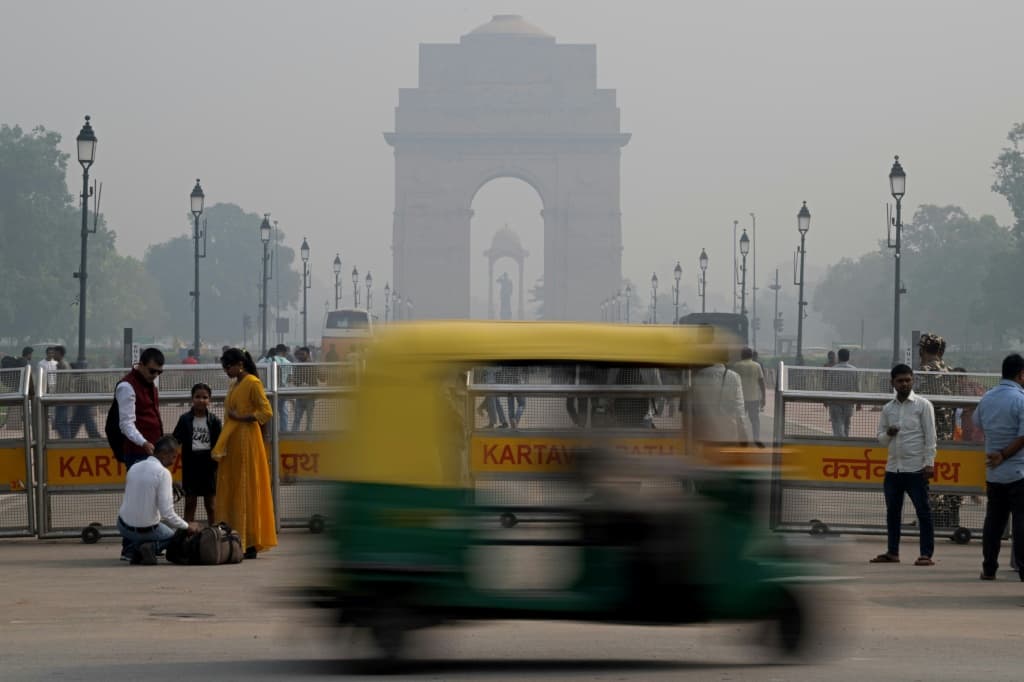
Delhi has once again faced a seasonal decline in air quality: the AQI index, which takes into account fine PM2.5 particles among other things, has exceeded 300 and moved into the 'very poor' category. On Wednesday morning the index reached 377; values from 301 to 400 are classified by India's environmental regulator as 'very poor', and above 400 as 'severe'. This was reported by BBC News.
What has changed in practice
Notably, the deterioration stands in sharp contrast to the previous month: in October Delhi recorded its lowest monthly average AQI in eight years. Experts link the spike to cooling temperatures, weak winds and increased burning of agricultural waste in the neighbouring states of Punjab and Haryana: a recent storm with rain and strong winds temporarily cleared the air, but then north-westerly winds again brought smoke from the fields to the capital. For millions of residents this means increased risks to the respiratory system, especially for children and the elderly.
Government measures and the court's ruling on firecrackers
The authorities activated Stage II of the GRAP plan — a system of emergency measures that tighten as pollution rises: more intensive road sweeping, higher parking fees to discourage the use of private cars, an increase in public transport services (the metro added 20 trips on weekdays) and staggered working hours for government offices. Officials explained that the measures were introduced based on forecasts indicating the air will remain 'very poor' in the coming days.
Restrictions on fireworks
A separate issue is the approaching Diwali, which is traditionally celebrated with firecrackers. On Monday, India's Supreme Court allowed the production, sale and use of certified 'green' firecrackers in Delhi and neighbouring districts for a limited period: only on 7 and 8 November, from 06:00 to 07:00 and from 20:00 to 22:00 local time. Fireworks are banned within a 300 m radius of hospitals, care homes, schools and other 'silence zones'. 'Green' firecrackers use modified chemical compositions with lower emissions and must carry QR codes to verify the manufacturer and certification.
Enforcement problems and the situation beyond the capital
The court itself acknowledged that even under a full ban, regular firecrackers continued to be sold disguised as 'green' ones, and ordered the police to patrol sales points, spot-check QR codes and confiscate illegal products. Last year, despite a court order to use less polluting firecrackers, the city woke up on the morning after the holiday in a toxic haze. The problem is not limited to the capital: on 24 October Mumbai's AQI reached 322 ('very poor') due to weak winds, construction dust, waste burning and firecrackers, but by Wednesday the air there had improved to 89 ('satisfactory'), while in neighbouring Navi Mumbai it improved to 118 ('moderate').
 Image source, Getty Images
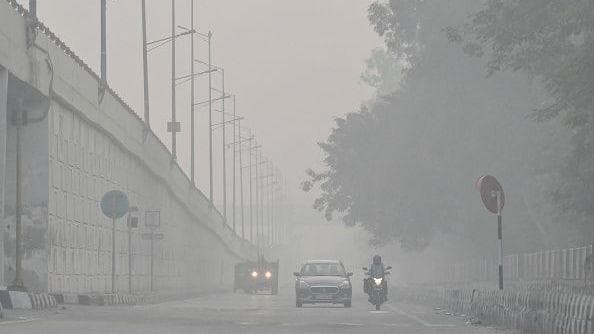
Air pollution is an annual problem in Delhi and large parts of northern India
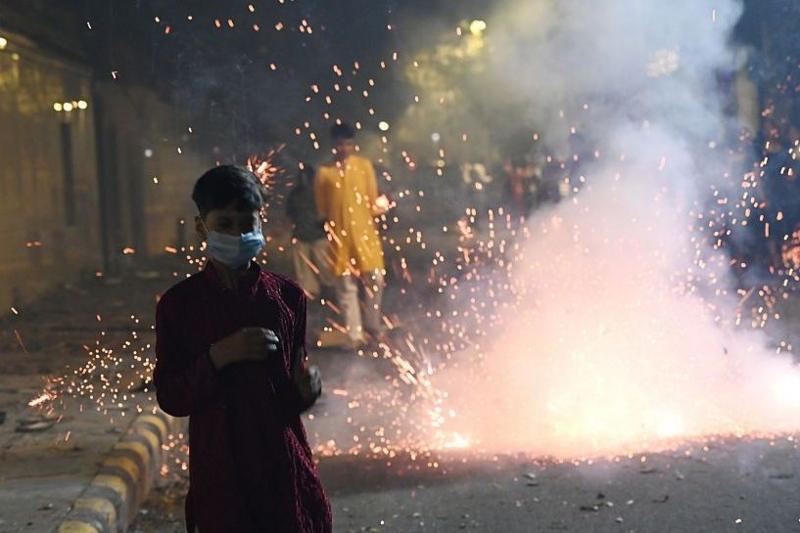 Image source, Getty Images
Firecrackers set off during Diwali release particulate matter and gases into the air, adding to the existing pollution
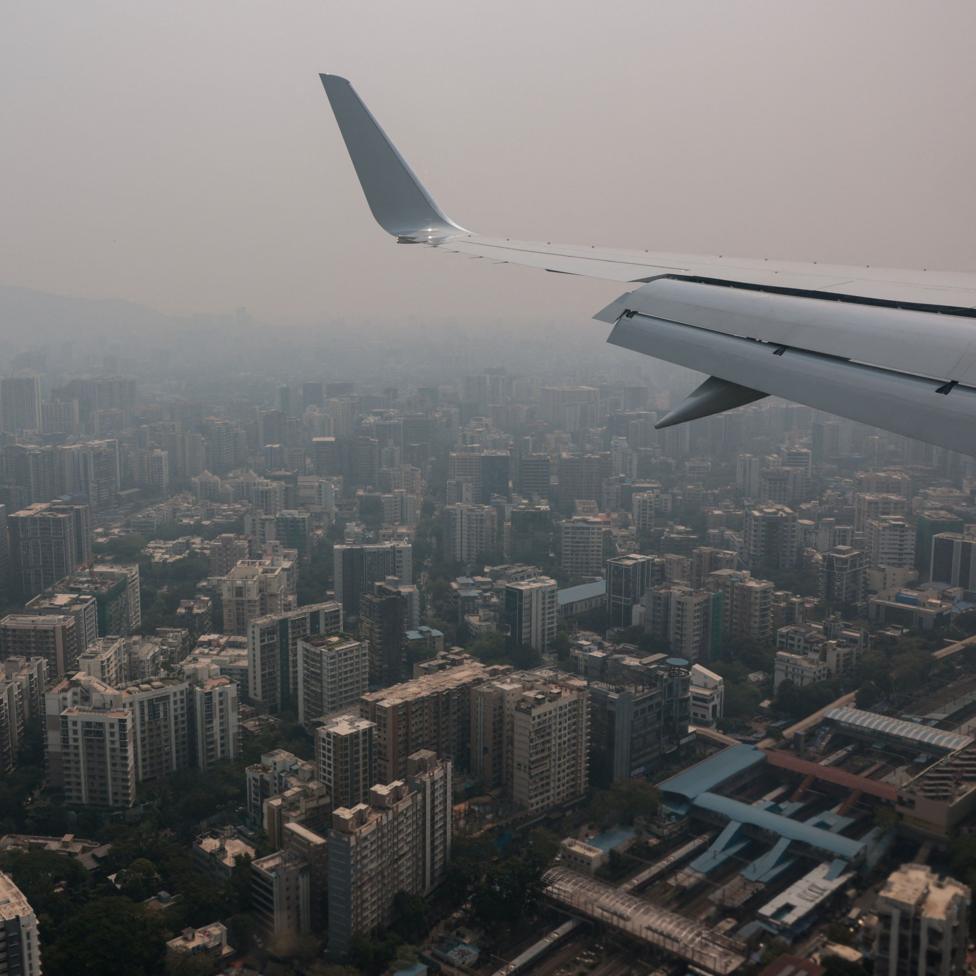 Image source, Reuters
Even Mumbai, India's financial capital, has recorded very high levels of pollution in recent days